
همین حالا تماس بگیرید!
پاسخ فوری و مشاوره رایگان در انتظار شماست.
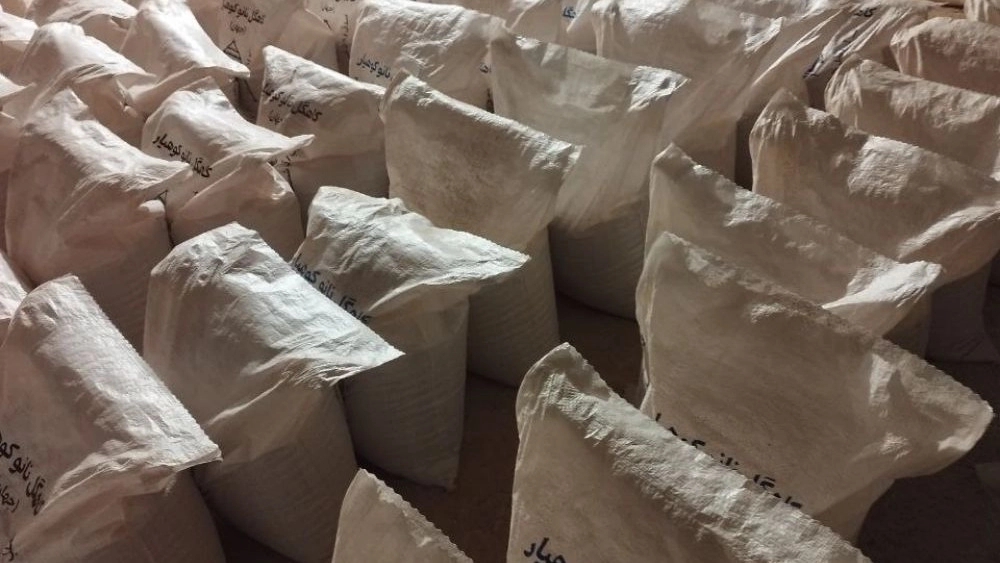
What is bagged straw and what are its characteristics?
- Uniformity of texture and color compared to mortars prepared from different soil sources
- Higher speed in preparation and reduction of material sleeping time
- Reduction of workshop waste and greater cleanliness of the execution environment
- Ability to plan more accurately for scheduled projects
- Possibility of quality repeatability in different parts of the facade or several similar projects
Why is bagged thatch the best choice for a traditional look?
Keeping the original appearance along with the standard performance
Reducing dependence on local soil and variable quality
Suitable for urban projects and limited workshops
Compatible with mixed styles
Applications of bagged straw in different projects
View of villas and houses with courtyards
Ecotourism residences and tourist spaces
Cafes, restaurants and cultural spaces
The walls of the courtyard and yard
Technical advantages of bagged straw compared to traditional straw
More uniform quality at project scale
Reducing human errors in mortar mixing
Higher operating speed and better time management
More order and cleanliness in the workshop
basic infrastructure; The main condition for the success of thatched facade
Surface preparation and removal of loose spots
Creating roughness and grip
Control humidity and humidity
Implementation steps of bag ready straw for traditional view
1) Mortar preparation
2) Implementation of the lining layer
3) Implementing the middle layer and leveling the surface
4) Implementation of the final layer and payment
5) Care after implementation
Choice of color and texture in a traditional view with bagged straw
- Fineer texture for urban spaces and cleaner facades
- More vivid and coarser texture for rural projects, ecotourism and nostalgic spaces
- Coordination with brick, wood and stone to create eye-catching combinations
Why is "Genuine Mousavi thatch" a safer choice for thatched facade?
- Special attention to infrastructure and surface preparation
- Step-by-step execution and quality control in each layer
- Skill in final finishing and creating diverse textures
- Recognizing the needs of traditional projects, landscaping and identity spaces
- Effort to deliver a uniform, clean and lasting appearance