Classical architecture has always been a symbol of grandeur, symmetry and enduring beauty. One of the most important elements in this style of architecture is the use of Roman facade stone. In recent years, this type of facade has received much attention in residential buildings, villas and luxury urban projects and has become one of the most popular choices in building facade design.
Using Roman facade stone in addition to creating a luxurious and eye-catching effect, also increases the durability and strength of the building facade. For this reason, many builders and architects go for this facade style for their special projects. In cities like Isfahan, where the stone-making industry is very advanced, collections such as Namamandgar play an important role in providing high-quality stones for this type of facade with the specialized production of various building stones.
In this article, we fully examine what is Roman facade stone, what are its features, what stones are used in this style and why it is so important in classical architecture.
What is a Roman stone facade?
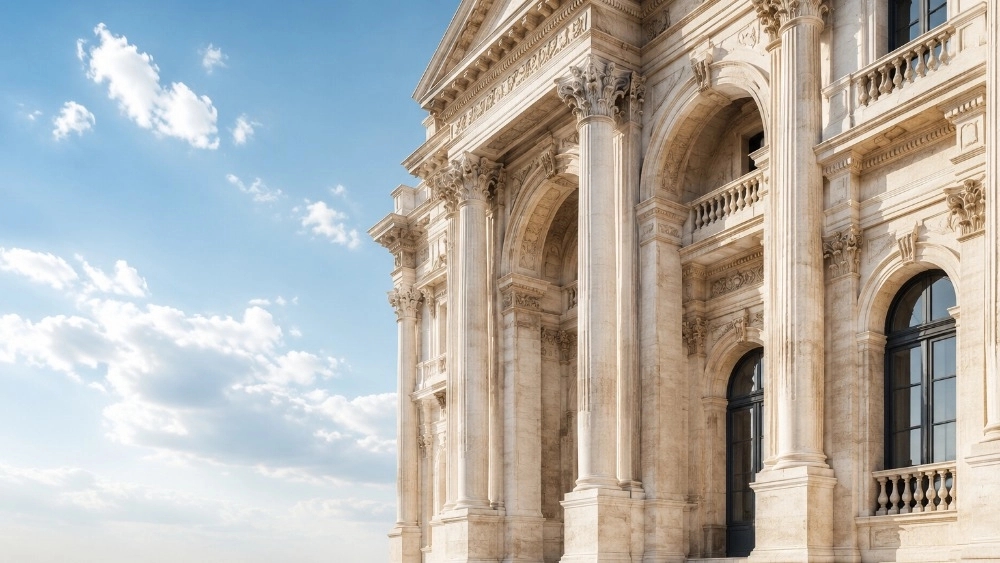
Roman facade stone is a kind of building facade design style that is inspired by ancient Roman architecture and classical architecture. In this type of facade, special architectural elements such as columns, capitals, arches, window frames, crowns and stone tools are used to create a magnificent and classic view.
In the implementation of Roman facade stone, light natural stones such as marble, travertine or resistant building stones are usually used. These stones are capable of precise tooling and cutting, and complex architectural details can be created on them.
The main goal in the design of Roman facade stone is to create a luxurious, symmetrical and impressive view that conveys the sense of power and originality of classical architecture. For this reason, this facade style is often used in villa buildings, luxury residential towers and prominent urban projects.
History of Roman stone facade in architecture
The roots of Roman facade stone go back to ancient Roman architecture. At that time, important buildings such as temples, palaces and public buildings were built using natural stones and huge columns.
Roman architects used large stones and stone decorations to show the power and glory of the government. Tall columns, stone arches and delicate carved details were the main features of this style.
Over time, this style of architecture spread in Europe and then in other parts of the world. Today, Roman facade stone is used as one of the most popular classical facade styles in many countries.
In Iran, in recent years, the use of Roman facade stone in residential and villa buildings has grown significantly, and building stone producers such as Namamandgar play an important role in providing the materials needed for this facade.
Features of Roman stone facade
Roman facade stone has characteristics that distinguish it from other facade styles. These features have made this type of facade known as one of the most luxurious and popular building facades.
Symmetry in design
One of the most important principles in Roman facade stone is symmetry in facade components. Windows, columns and stone frames are usually designed symmetrically to create visual harmony.
Use of stone tools
In the implementation of Roman facade stone, tooled stone pieces such as columns, capitals, crowns, cornices and window frames are used. These elements add more depth and beauty to the view.
Bright and classic colors
In most of the Roman facade stone projects, light colored stones are used. Colors like cream, white and beige make the building look bigger and more magnificent.
Subtle architectural details
In this facade style, details are very important. Carvings, arches and stone designs make Roman facade stone have an artistic and classic effect.
Types of stones used in Roman facades
Choosing the right stone is one of the most important steps in the implementation of Roman facade stone. In addition to beauty, the stone must have high resistance to environmental conditions.
marble stone
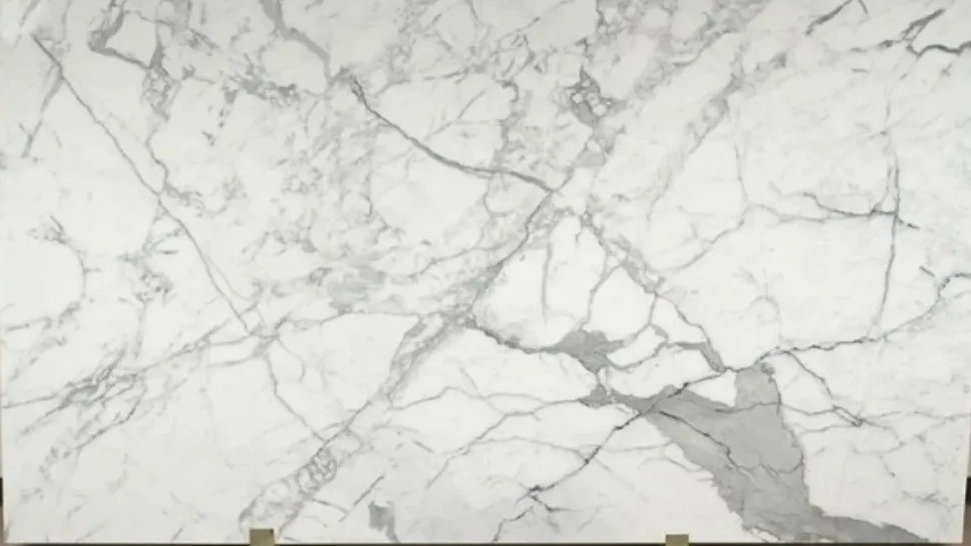
One of the stones used in some parts of Roman facade stone is marble. This stone has a beautiful texture and a smooth surface and gives a luxurious effect to the facade.
Toolable building stones
In the implementation of Roman facade stone, stones that can be tooled and accurately cut are usually used. This feature makes it possible to produce columns and decorative pieces with high quality.
Bright and uniform stones
For the successful implementation of Roman facade stone, stones with a light color and uniform texture are usually used. These types of stones strengthen the classic look.
Collections such as Namamandgar, with specialized production of building stones, supply all kinds of stones suitable for the implementation of this type of facade with high quality.
Advantages of using Roman stone facade
Using Roman stone facade has many advantages that have made this facade style very popular among builders and architects.
The beauty and splendor of architecture
One of the most important advantages of Roman facade stone is its very luxurious and impressive appearance. This facade can give a special and distinct effect to the building.
High durability and longevity
Natural stones used in Roman facade stone have high resistance to weather conditions. This makes the facade of the building last for many years.
Increasing the value of the building
Buildings designed with Roman stone facades are usually worth more on the market. This issue is due to the luxurious appearance and high quality of the materials used in the facade.
Resistance to environmental conditions
The natural stones used in Roman facade stone have good resistance to rain, sunlight and temperature changes.
The use of Roman facade stone in classical architecture
Roman facade stone is mostly used in projects that aim to create a classic and majestic look. This facade style is used in different types of buildings.
Luxury residential buildings
Many luxury residential complexes use Roman facade stone to design their facade. This facade makes the building look luxurious.
Classic villas
In the design of classic villas, the use of Roman facade stone is very common. Stone columns and arches create a special effect in this type of building.
Landmark urban buildings
Some important urban buildings also use Roman facade stone to have a lasting and impressive appearance.
The role of stone quality in the implementation of Roman facade stone
The quality of the stone is one of the most important factors in the success of the execution of Roman facade stone. If the stone used is not of good quality, it may be damaged by environmental conditions.
Stones used for Roman facade stone should have characteristics such as high resistance, toolability and color uniformity. For this reason, it is very important to choose a reliable manufacturer.
The Namamandgar collection, with experience in the field of building stone production, offers high quality stones for the implementation of classical facades and Roman facade stone.
non-permanent; Manufacturer of building stones for Roman facade
In the construction stone industry, choosing a reliable manufacturer has a great impact on the final quality of the project. Namamandgar group, as one of the activists in the field of building stone production in Isfahan, works in the field of stone production suitable for Roman facade stone.
Using advanced equipment and experience in the production of building stones, this collection offers a variety of products for classical and Roman facades. Paying attention to the quality of cutting, accuracy in tooling and choosing the right stones has made permanent products to be noticed in construction projects.
Using high-quality stones in the implementation of Roman facade stone can have a significant effect on the beauty and durability of the building facade, and for this reason, many builders are looking for manufacturers who specialize in this field.
summary
Roman stone facade is one of the most popular facade styles in classical architecture, which is implemented using natural stones and stone decorative elements. This type of facade has a special place among building facade styles due to its magnificent appearance, symmetry in design and artistic details.
Using Roman facade stone in addition to creating visual beauty, also increases the durability and value of the building. Choosing the right stone and reliable producer is one of the most important success factors in the implementation of this type of facade.
Namamandgar Group plays an important role in providing materials needed for construction projects by operating in the field of building stone production and providing suitable stones for classical facades. Choosing high-quality stone for the implementation of Roman facade stone can have a significant effect on the durability and beauty of the building facade