
The importance of making precise industrial parts in modern industries
Reducing depreciation and increasing the lifespan of machinery
Ensuring the safety and efficiency of mechanical systems
Design process and reverse engineering of industrial parts
Review and analysis of primary material
3D drawing and modeling
The role of new technologies in increasing machining accuracy
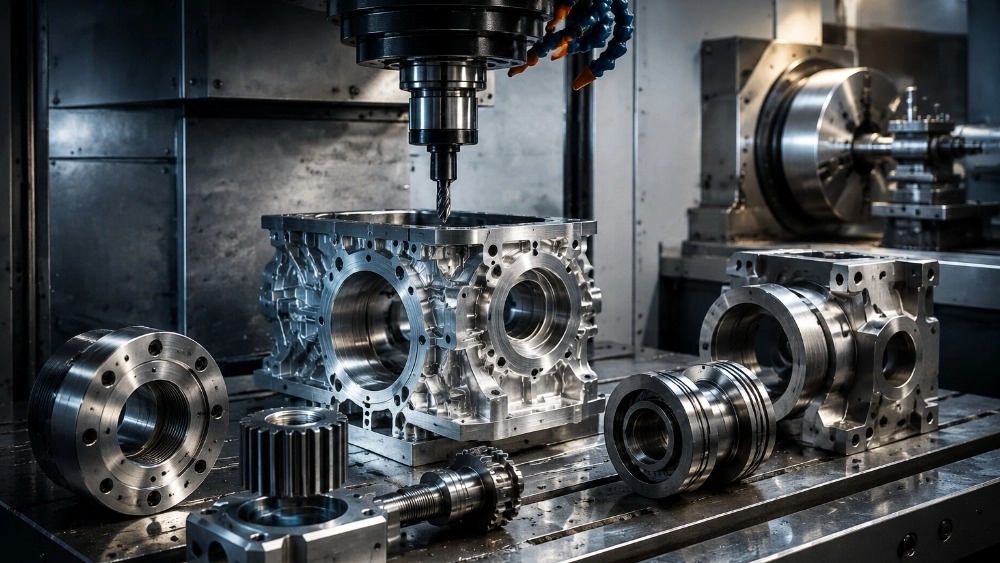
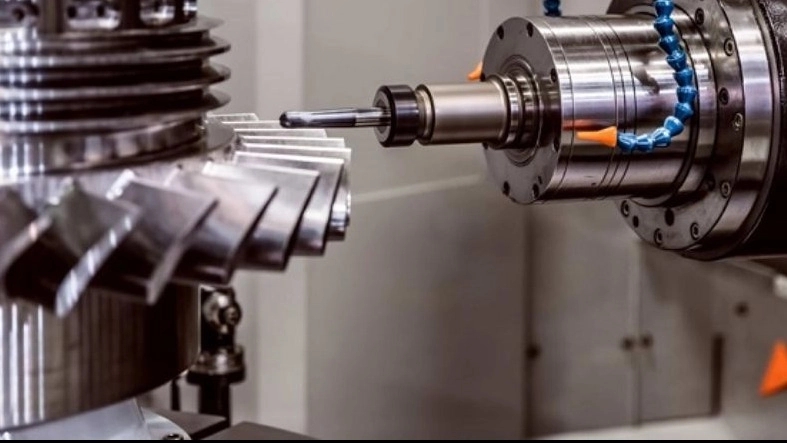
CNC machining and its benefits
Traditional turning and its special applications
Introduction of Khatir Tarash collection in Ghaemshahr, Mazandaran
Variety of workshop services
- Turning of all kinds of metal and polymer parts
- Milling and creation of industrial grooves and spikes
- Specialized drilling and nailing
- Repair and reconstruction of consumable parts of production lines
- Manufacturing custom shafts, bushings and gears
Commitment to quality and timely delivery
A guide to choosing the right material for making industrial parts
Alloy and carbon steels
non-ferrous metals (aluminum, brass and copper)
- Aluminum: Due to its light weight and good resistance to corrosion, it is widely used in the aerospace industry and making light parts.
- Rice: Due to its excellent machining properties and resistance to wear and friction, it is a suitable option for making bushings and hydraulic connections.
Teflons and industrial polymers
Quality control steps in Khatir Tarash
- Inspection of raw materials: Checking the material approval certificate and making sure there are no cracks or impurities in the metal structure.
- Control during production: Continuous measurement of part dimensions by the operator in different stages of machining to prevent deviation of the production line.
- Final product test: Use of accurate measurement equipment and performance tests to fully match the client's plan.