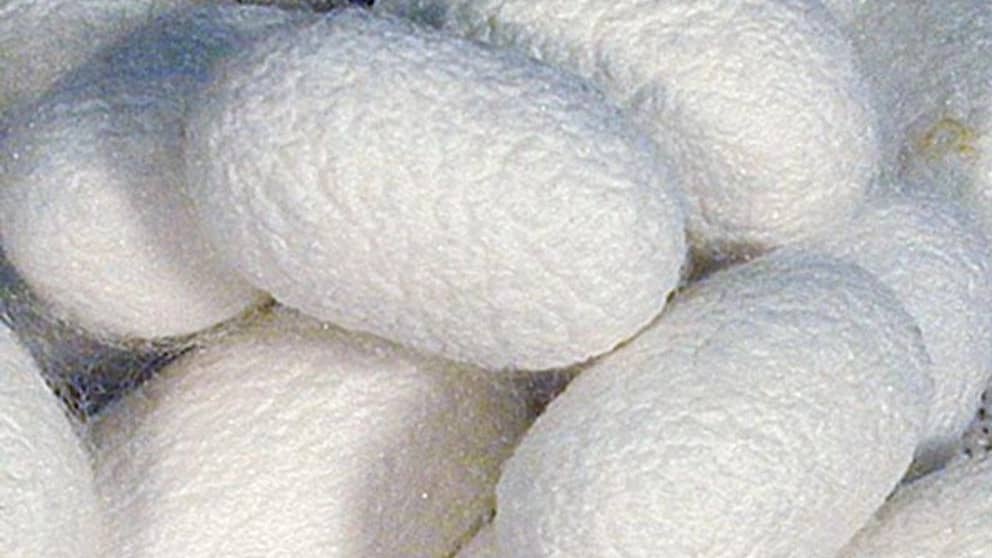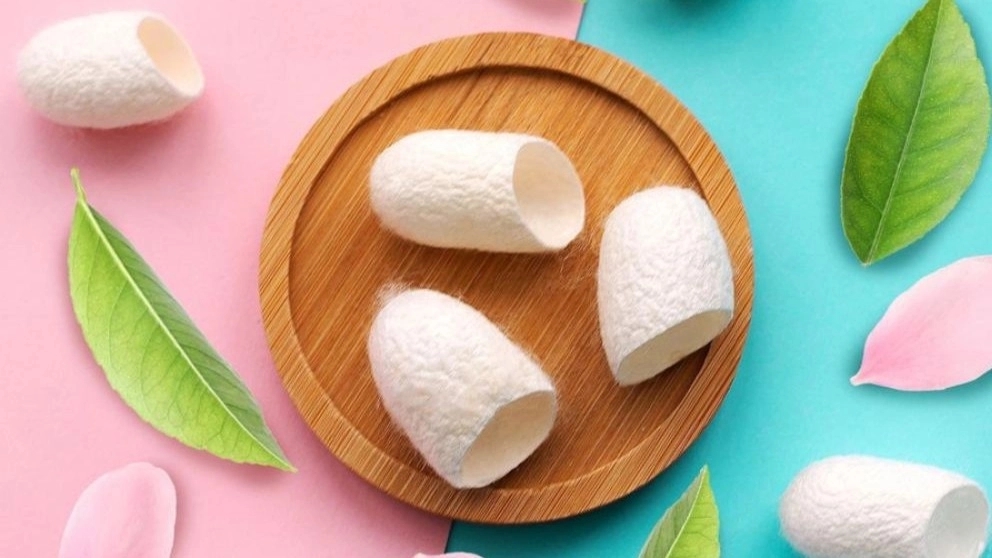


History of silk cocoon
The Chinese knew how to make silk since **** years ago. There is an interesting story about the method of making silk among the Chinese, which says that one day the Chinese queen "Si Ling Shi" put a silkworm cocoon by mistake into boiling water that was specially made for hand washing throws The next day, he sees silk threads coming out of the container. He enjoys this practice and since then he starts keeping silkworms so that he can use their silk for clothes. For a long time, the Chinese kept the secret of silk production. The Japanese were among the first to discover this secret in the third century.
- About 550 years after Christ Justinian I, the king of Byzantium, sent two monks to China as spies. When the two returned, they brought with them several silkworms inside a wooden cylinder made of bamboo. After that, the art of obtaining silk from silkworms was gradually known all over the world. Today, Italian silk is the best type of silk in the world in terms of beauty and quality.
- In Iran:
- The first type was Diba, which was called plain colored silk dress.
- The second type was contrary to Dr. Moin Parnian's letter, which was called a multi-colored silk dress, often seven colors, which in some cases had flower designs in the middle of the fabric. and it was special for the Iranian royal family.
- The first silk factory in Iran was first built in the middle of the 19th century during the reign of Naser al-Din Shah by one of the Gilan capitalists named Agha Mohammad Khan Rashti in Barkadeh village of Rasht, but its activity was stopped after a short period of time. In the last year of the reign of Naser al-Din Shah, another famous merchant of Gilan named Haj Amin al-Zarb managed to establish a well-equipped silk spinning factory using French machines in the city of Rasht with the help of the French debblet business managers for 20 years. This factory, with the help of Iranian workers, successfully engaged in silk spinning and producing quality products accepted by international markets for several years. The incompatibility of the two cultures of the East and the West led it to be closed. This place is now abandoned as a garden and it is also a refuge for migratory birds, where there are some old buildings. According to the historical reports, in the past, the best type of silk and Noghan was used in Rasht and its surroundings.