A comprehensive guide to choosing the right hydraulic jack for a lift
Introduction
1. Determining load capacity (tonnage)
- Technical note: You should always consider the "Safety Factor". If your lift is designed to carry 500 kg, the jack should have a higher capacity (for example, 750 to 1000 kg) so that it does not have problems in the momentary pressure or startup conditions.
2. Stroke Length
- Note: The course of the jack must exactly match the height of the floors and the path of the lift. If the jack is too short, it will not reach the destination, and if it is too long, in addition to the additional cost, it occupies the space of the service pit or the lifting duct for no reason.
3. Jack type (direct or indirect)
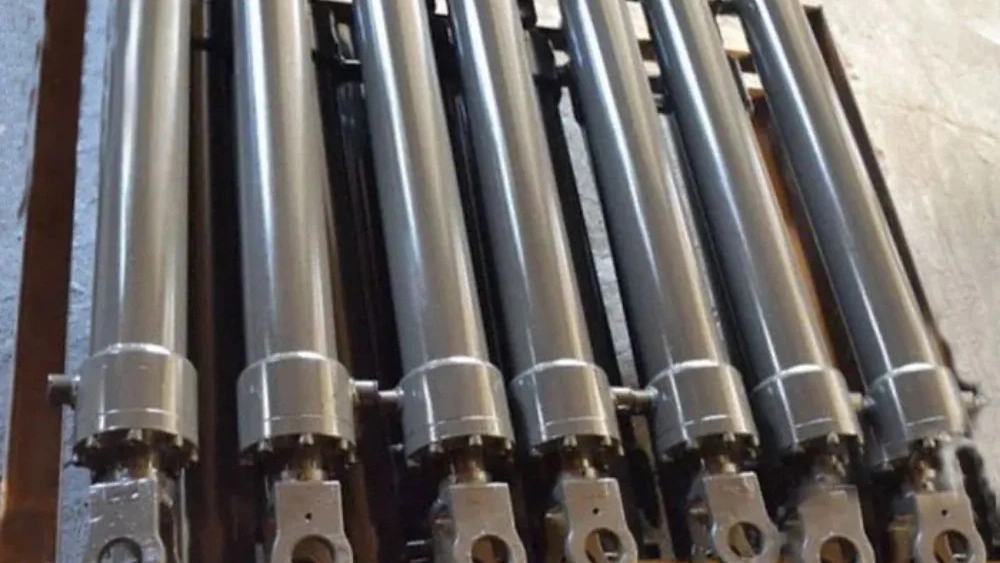
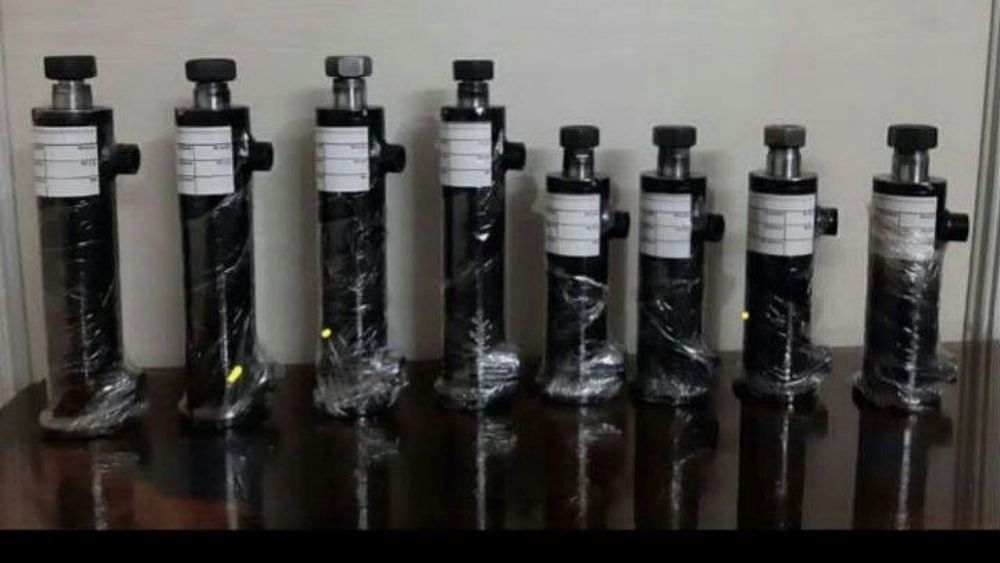
- Direct jack: The jack is directly attached to the platform. These models are perfect for short courses and low-height spaces and have less friction.
- Indirect jack (with wire and pulley system): If the installation space of the jack is limited or you need a higher course, this model is used. Here, the movement speed is higher, but it requires stronger anti-fall safety systems.
4. Piston and cylinder diameter
- Working pressure: If the diameter of the jack is small, to lift a heavy load, the system must produce very high oil pressure, which causes premature wear of the pump and hoses. Choosing the right diameter keeps the working pressure within the standard range (usually between 100 and 160 bar).
5. Quality of construction and sealing
- KEY TIP: Use jacks that have a multi-stage sealing system to prevent oil leaks. Oiling the jack not only pollutes the workshop environment, but also causes the elevator to gradually lower and jeopardize safety.
6. Safety system (Rupture Valve)
The ultimate checklist for buying/selection
- Does the jack have a warranty and after-sales service? (very important for hydraulic parts).
- Is the material of the jack shaft with hard chrome plating? (to resist rust and scratches).
- Are the working pressure calculations of the system compatible with this jack? Valve) installed on the jack?
conclusion
Why "Shanderman Pars" hydraulic jacks are a smart choice?
Why "Shanderman Pars" hydraulic jacks are the best choice for your lift?
1. Precision engineering, not copycat mass production
2. Non-negotiable safety
3. Movement without shock and vibration
4. material durability; Anti-rust and anti-erosion
5. Support that is just a call away
Conclusion for the client
Purchase of standard hydraulic jack from Shanderman Pars Industrial Group
order path to delivery; Simple and specialized
- Free technical consultation: Before purchasing, our engineering team will check your needs.
- Special design: Accurate tonnage calculation, required course and checking of working pressures.
- Supervised production: Manufacture of jacks with the best materials and standard sealing.
- Quality test: All jacks are pressure tested before leaving the factory.
- Shipping and Installation: Safe delivery and technical support during installation.
Information required to receive a pre-invoice
- Load capacity (tonnage): The maximum weight that the lifter must move.
- Moving rate (jack course): The net height of the lifter’s travel path.
- Hydraulic system type: Is your lifter a direct or indirect jack?
- Working environment: (Industrial, shop, humid or dusty environments).
Why is buying from Shanderman Pars a smart choice?
- National and international standard: We use high-quality material (alloy steel with hard chrome plating).
- Real warranty: Our products have a performance warranty and are guaranteed against manufacturing defects.
- After-sales service: Unlike imported jacks that are difficult to source parts for, we provide full support for our products.
- Guaranteed safety: Being equipped with safety valves (Rupture Valve) to prevent the load from falling.
Contact us now
تماس فوری
Specialized manual for troubleshooting and maintenance of lifting hydraulic jacks
Introduction
1. Periodic maintenance checklist (prevention is better than cure)
- Oil level check: Check the oil level in the hydraulic unit tank once a week. A drop in oil level usually indicates a leak in the fittings or jack.
- Shaft cleaning: The jack shaft should always be clean and free of dust. Dust particles can act like sandpaper and remove the jack cups in a short amount of time.
- Visual inspection: Look for any oil stains on the jack or the bottom of the lift pit. The slightest leak in the jack should not be ignored.
- Movement test: Move the lifter through the full stroke (from bottom to top and vice versa) and listen for any unusual noises (such as clicking or whistling).
2. troubleshooting; What to do if the lift is not working properly?
A) oil leakage from the jack throat
- Cause: Failure of packings or wear of felt bowls.
- Solution: If the leakage is minor, the problem may be solved by replacing the packings. But if the shaft is scratched, the shaft must be ground and chromed again or the jack must be repaired by an expert.
b) The lift slowly descends (sleeping jack)
- Cause: internal leakage in the control valves or internal sealing failure of the jack piston.
- Solution: First, check the valves of the hydraulic unit. If the valves are healthy, the problem is "internal leakage" in the jack, which should be checked by a specialist.
c) Vibration or oscillating movement while climbing
- Cause: Air in the hydraulic system or lack of oil.
- Solution: Bleed the system. If the problem is not solved, check the hydraulic pump or the oil filter.
d) Abnormal sound or strong vibration
3. When should the technical team be contacted?
- Severe oil leakage: which causes environmental pollution or rapid emptying of the tank.
- Creation of deep scratches on the shaft: which cannot be fixed by replacing the packing and requires industrial restoration.
- Metallic noise and impact during operation: which is a sign of serious damage to the internal parts or the jack being out of alignment.
- Irregular operation of safety valves (Rupture) Valve): If the jack suddenly locks or drops during operation, the device is very dangerous and should be taken out of the circuit immediately.