
تماس فوری
fuel tank purchase guide; Checking types, prices and safety tips
Introduction
Fuel tank is one of the most important equipments in industries, workshops, large buildings, power plants, fuel stations and even some agricultural units. These tanks are used for safe storage of all types of fuel such as diesel, gasoline, kerosene and other petroleum products. Choosing the right fuel tank is not only limited to its capacity, but factors such as body material, installation conditions, safety standards, fuel type, place of use and maintenance cost are also very important.
If you intend to buy a fuel tank, getting to know the types of tanks, the advantages and disadvantages of each, factors affecting the price and safety tips, will help you make a more accurate, economical and reliable choice. In this article, we will discuss these things in full.
What is a fuel tank?
A fuel tank is a container for keeping and storing all kinds of liquid or in some cases semi-liquid fuels, which is designed with the aim of gradual consumption, easy transfer and preventing wastage or possible dangers. These tanks can be made in small sizes for limited uses or in very high capacities for industrial applications.
The main use of the fuel tank is the safe storage of fuel in suitable conditions so that when needed, fuel can be used without quality loss and with minimal risk.
Types of fuel tanks
Fuel tanks are classified according to type, shape, installation location and application. Knowing these types is the first step to make the right purchase.
1. Metal fuel tank
Metal tanks are usually made of steel or sheet iron and are used in many industrial projects.
Advantages:
- High mechanical strength
- Suitable for large volumes
- Ability to make custom
- Good durability in industrial conditions
Disadvantages:
- Probability of rust and corrosion
- Need for paint and anti-rust coating
- High weight
- More maintenance cost
2. Polyethylene fuel tank
This type of tank is made of resistant polyethylene and has become very popular in recent years.
Advantages:
- Light and portable
- Suitable corrosion resistance
- Easy installation
- More reasonable price in low and medium capacities
Disadvantages:
- Lower mechanical resistance than metal
- Limited in some heavy industrial applications
- Sensitivity to the quality of raw materials
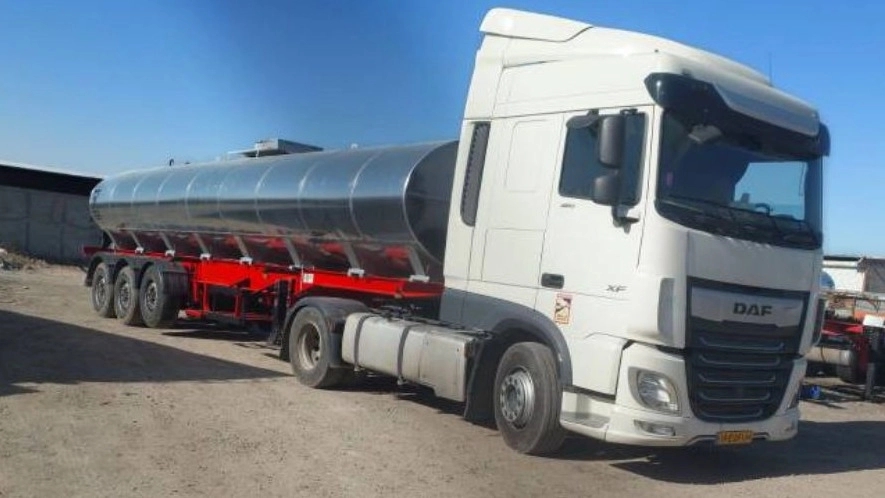
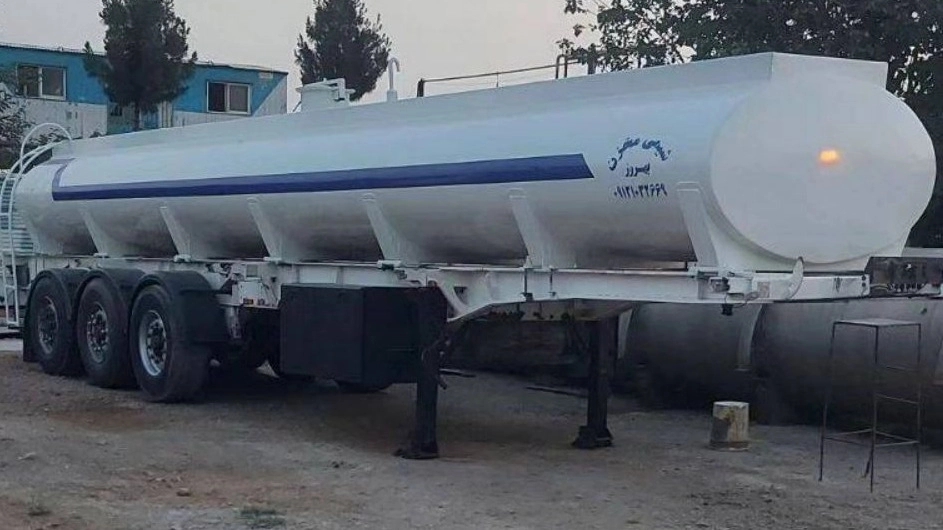
3. Horizontal fuel tank
These tanks are designed horizontally and are suitable for spaces that have limited height.
Uses:
- Workshops
- Industrial units
- Mobile or semi-fixed tanks
4. Vertical fuel tank
Vertical tanks are very suitable for limited spaces in terms of occupancy.
Advantages:
- Less space occupation
- Suitable for high capacities
- Installation in fixed environments
5. Double wall tank
This type of tank has two protective layers and has a higher safety level.
Advantages:
- Reducing the possibility of fuel leakage
- More safety
- Suitable for sensitive and industrial environments
Disadvantages:
- Higher price
- More weight and manufacturing cost
Important points in buying a fuel tank
There are a few key factors you should consider before you buy:
1. Type of fuel
The tank should be chosen according to the type of fuel. For example, the storage of gasoline, diesel or oil may require different characteristics in the body and connections.
2. Required capacity
The capacity of the tank should be determined based on daily or monthly consumption. Buying a tank that is too small will require constant charging, and a tank that is too big will also cost extra.
3. Installation location
The installation environment can affect the type of repository:
- Open space
- Covered space
- Underground
- On the ground
- Hot or cold areas
4. Type of tank
The material of the body is one of the most important factors in the lifetime, safety and price of the tank.
5. Safety standards
The tank must have a suitable design to prevent leakage, explosion, evaporation and pollution of the environment.
6. Connections and peripheral equipment
The presence of drain valve, inspection valve, level indicator, ventilation system and protective cover is very important.
The price of fuel tank depends on what factors?
The price of a fuel tank is not fixed and depends on several factors:
1. Body material
Metal tank is usually more expensive than polyethylene, but in some capacities and applications, the opposite is also possible.
2. Tank capacity
The higher the capacity, the higher the price.
3. Being single-walled or double-walled
Double-walled tanks are more expensive, but they also offer higher safety.
4. Type of design
Horizontal, vertical, cubic, spherical or customized design affects the price.
5. Build quality
Type of welding, sheet thickness, quality of raw materials and production standard play an important role in the price.
6. Peripheral equipment
The presence of additional accessories such as pumps, gauges, filters, ladders, inspection valves and warning systems increases the price.
7. Installation and shipping cost
In some cases, the cost of transportation and installation is also an important part of the final price.
Safety tips in using the fuel tank
Safety in fuel storage is of vital importance. Ignoring safety principles can cause serious financial and life damages.
1. Installation in the right place
The tank should be installed in a place that is far away from sources of heat, sparks, flames, and flammable materials.
2. Proper ventilation
The environment around the tank must have proper ventilation so that fuel vapors do not accumulate.
3. Using standard connections
Valves, pipes and connections should be selected according to the type of fuel and working pressure.
4. Periodic inspection
The tank should be checked regularly for leaks, corrosion, cracks, rust and physical damage.
5. Avoid overfilling
Overfilling the tank can cause overflow and increase the risk of fire.
6. Earthing and preventing static electricity
In some industrial tanks, grounding is necessary to reduce the risk of sparks.
7. Stay away from direct sunlight
If possible, the tank should be installed in a suitable place or with a protective cover so that the fuel temperature does not rise too much.
Advantages of using a standard fuel tank
- Increasing environmental safety
- Reducing the risk of leakage and fire
- Maintaining fuel quality
- Saving fuel supply time and cost
- Suitable for continuous use in industries
- Possibility of better storage management
How to choose the best fuel tank?
To choose the best repository, follow these steps:
- Determine the type of fuel used
- Calculate the amount of consumption and required capacity
- Check the installation location
- Make a comparison between the metal tank and polyethylene
- Set your budget
- Check the safety standards and quality of construction
- Buy from a reliable manufacturer
summary
Purchasing a fuel tank is a technical and important decision that must be made with great care. The correct selection of this equipment, in addition to reducing maintenance costs and increasing useful life, plays an important role in the safety of the complex. When shopping, don't just pay attention to the price; Also consider the material, capacity, type of design, installation location and safety standards.
If you are looking to buy a standard and suitable fuel tank for industrial or general use, it is better to seek advice from reliable and expert manufacturers in this field to make a safe and economical choice.