
The importance of casting cast iron parts in Tehran and Karaj industries
What is cast iron and why is it widely used in casting?
- Suitable resistance to pressure and static loads
- Ability to absorb vibration and vibration in machinery
- Opportunity to wear in many industrial applications
- Machinability in suitable grades
- Acceptable dimensional stability
- Possibility to produce heavy and large parts
- Economical in series and custom production
- Suitable for parts with Complex shapes
Types of cast iron used in casting industrial parts
gray cast iron
Ductile or unbreakable cast iron
white cast iron
Alloy cast iron
Casting stages of cast iron parts in Tehran and Karaj
Examining the plan, sample and application of the piece
Model making and casting pattern
Template preparation
Melting and chemical composition control
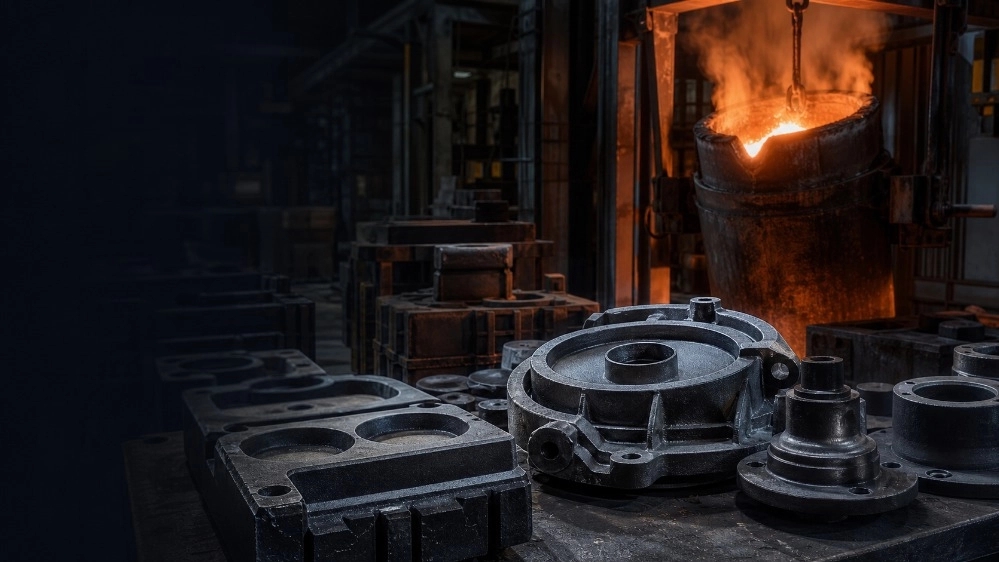
Pouring the melt into the mold
Cooling, mold unloading and cleaning
Quality control in the casting of cast iron parts
- Checking the appearance of the part to identify cracks, blemishes and unevenness
- Measuring the dimensions and matching with the drawing or sample
- Controlling the weight of the part if the design is important
- Checking the quality of the surface after cleaning
- Evaluating the machinability of the required parts
- Controlling the material composition based on the requested grade
- Checking sensitive areas such as seats, flanges and surfaces Sealing
- Performing additional operations according to the type of project
Applications of manufactured cast iron parts
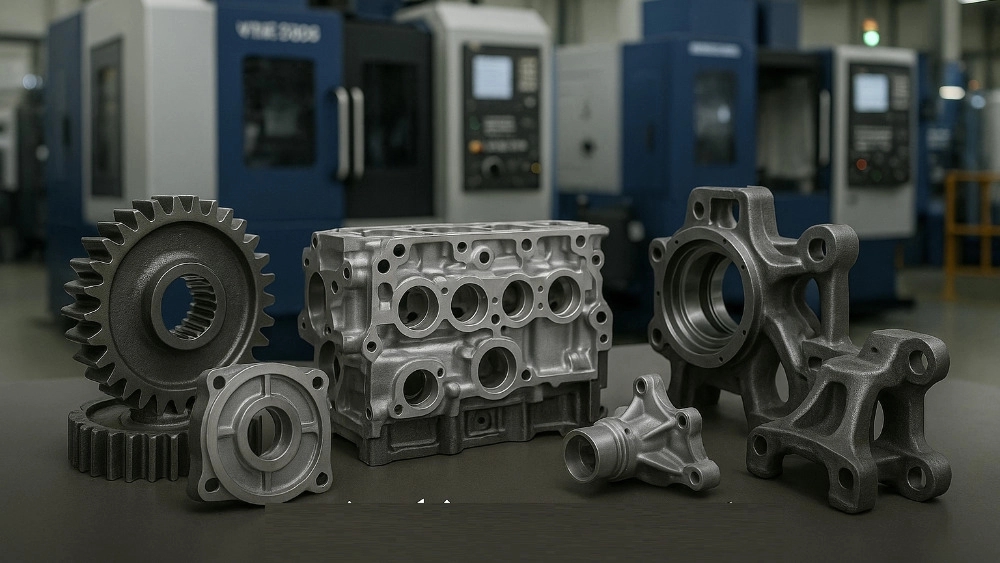
- Body and shell of industrial and agricultural pumps
- Cover, flange and industrial connections
- Base and chassis of machinery
- Parts of production lines and factory equipment
- Parts of injection, pressing and turning devices
- Industrial wheels and power transmission parts
- Gearbox shell and machinery components
- Valves and parts Facilities
- Parts of road construction and agricultural machinery
- Repair and replacement parts of old equipment
- Furnace parts, heating equipment and temperature-resistant parts
- Parts used in urban structures and equipment
Advantages of choosing metal form industrial group
Production based on drawings or samples
Attention to the type of application of the piece
Possibility of additional operations
Focus on quality and accuracy
Important points when ordering casting cast iron parts
- Technical drawing or physical sample of the part
- Main dimensions and sensitive tolerances
- End use of the part
- Type of load and pressure applied
- Temperature and environmental conditions of the place of use
- Need or not for machining
- Required number of parts
- Importance of surface quality or appearance of the product
- Type of connection of the part to the assembly Main
- Presence of holes, threads, grooves or sealing surfaces