
تماس بامدیریت
Types of industrial ventilation system; Guide to choosing the best ventilation for factories and workshops
Industrial ventilation is one of the most important infrastructures of every factory, workshop, shed, warehouse and production environment. In industrial environments, factors such as heat, humidity, smoke, dust, chemical vapors, polluting gases, and suspended particles can affect the health of employees, production quality, and equipment life. For this reason, the correct choice among the types of industrial ventilation system is an important technical and economic decision for each complex.
Safahan Santifiugefen company, by providing specialized solutions in the field of design, supply and implementation of industrial ventilation systems, helps various industries to control the air conditions of the workplace and create a safer, more standardized and more productive environment.
What is an industrial ventilation system?
Industrial ventilation system is a set of equipment and air transmission paths that are used to move, purify, exhaust or provide fresh air in industrial environments. The main purpose of this system is to remove polluted air and replace it with healthy and breathable air.
The importance of using an industrial ventilation system
The presence of proper ventilation in industrial environments is not only for creating thermal comfort. This system plays an important role in maintaining human health and quality control of production processes. In many industries, dust, welding fumes, paint fumes, cutting particles, chemical gases and heat produced by machines can cause serious hazards.
Using a suitable industrial ventilation system reduces the accumulation of pollutants, controls temperature, reduces excess humidity, prevents equipment corrosion and increases the life of devices. Also, in environments that deal with flammable materials, basic ventilation can reduce the possibility of fire and explosion.
General industrial ventilation
This system is usually suitable for spaces where the pollution is not concentrated in a certain point or the level of pollution is at an average level. Production sheds, warehouses, assembly halls and general workshops are among the environments that can use general ventilation.
Despite its widespread use, general ventilation is not always an adequate option. If dangerous or concentrated pollutants are produced in a certain place, it is better to use a local suction system.
Local suction system or local ventilation
Local ventilation, also known as local suction, is designed to collect the pollutant from its place of production. In this method, the hood or suction opening is installed near the pollutant source to absorb and transport smoke, vapor, dust or gas before it is released into the environment.
This type of ventilation is widely used in welding, painting, electroplating, grinding, cutting, casting, wood industries, chemical industries and dusty production lines.
Ventilation system with axial fan
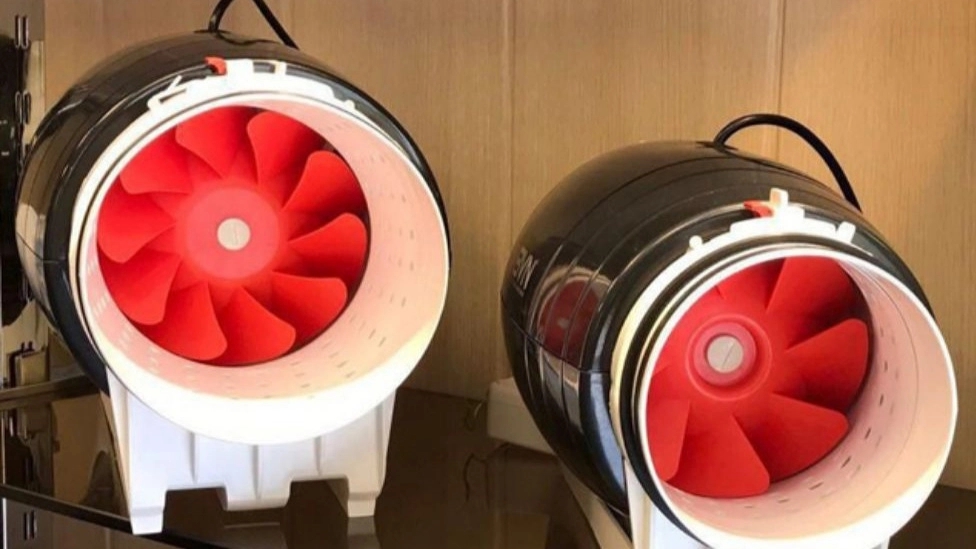
Axial fan is one of the widely used equipment in industrial ventilation systems. In this fan, the air moves along the propeller axis. Axial fans are usually used to move large volumes of air with medium or low pressure.
This system is used in sheds, warehouses, production halls, poultry houses, greenhouses and environments that require quick evacuation of hot or polluted air. The advantages of the axial fan include simple installation, suitable dimensions, and the ability to move a lot of air.
However, if the ducting path is long or there is a high pressure drop, choosing an axial fan without engineering calculations may not perform well.
Ventilation system with centrifugal fan
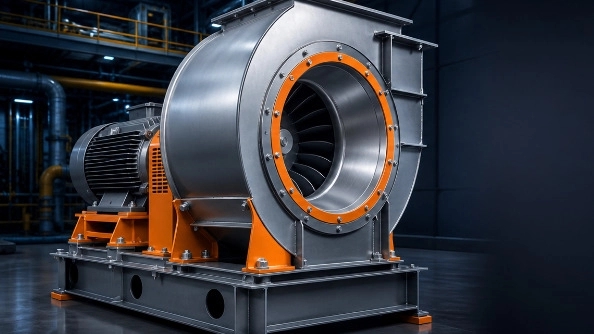
Centrifugal fan is another important option in the design of industrial ventilation. This fan moves air radially and can create a higher static pressure than many axial fans. For this reason, it is a good choice for systems that have ducting, filters, cyclones, bag filters or air purification equipment.
Centrifugal fan is widely used in dust suction lines, smoke transfer, factory ventilation, air purification systems and industrial workshops. The type of impeller, body material, aeration capacity and required pressure should be selected according to the project conditions.
Industrial exhaust fan system
The industrial exhaust fan is responsible for removing polluted, hot or humid air from the environment. This equipment can be installed on the wall, ceiling, channel or air outlet. In many sheds, workshops and warehouses, the exhaust fan is the main part of general ventilation.
Selecting the exhaust fan should be done based on the volume of the space, the number of times the air is changed, the type of pollutant, the air exit path, and the environmental conditions. Using an exhaust fan with an inappropriate capacity can cause a lack of ventilation or an unreasonable increase in electricity consumption.
Industrial air conditioning system
An industrial air conditioner or AHU is a device that is used to supply, purify, heat, cool and distribute the required air in an industrial environment. This device usually consists of parts such as fan, filter, heating or cooling coil, damper and control equipment.
The air conditioner is a suitable option in environments where the quality of incoming air is very important. Food, pharmaceutical, health, electronics, clean rooms and sensitive production halls are among the spaces that need industrial air conditioners.
The design of the air conditioner should be based on temperature, humidity, amount of fresh air, type of filter and sanitary conditions of the environment.
Dust collector system or industrial dust collector
Dust collector is a device for collecting and controlling industrial dust. This system sucks air containing particles and transfers it through the channel to the filtration equipment. Then the particles are separated from the air and the purified air is directed to the environment or outside, depending on the design of the system.
Industrial dust collector is used in cutting and grinding workshops, wood industries, cement factories, steel, mines, powder packaging lines and food production. Using a suitable dust collector, in addition to maintaining the health of employees, prevents dust from settling on equipment and products.
Industrial filter bag
Filter bag is one of the most common types of dust collection systems that separate suspended particles from the air flow using cloth bags or special filters. Polluted air enters the device, particles remain on the surface of the bags, and cleaner air leaves the system.
This system is suitable for controlling small particles and high volume of dust. Choosing the type of filter bag should be done based on temperature, type of particles, humidity, corrosiveness of materials and working conditions.
Industrial cyclone
An industrial cyclone is a device that separates larger particles from the air flow using centrifugal force. This system has a relatively simple structure and is often used as a pre-dust collector before a bag filter or other purification systems.
Cyclone alone is not suitable for the complete removal of very fine particles, but it can reduce the dust load entering the filters and increase the life of the treatment equipment.
Industrial scrubber
The industrial scrubber is used to remove gases, chemical vapors and water-soluble particles from the air flow. In this system, the polluted air comes into contact with the washing liquid and some of the pollutants are absorbed or neutralized.
Explosion-proof industrial ventilation system
Explosion-proof ventilation equipment should be used in environments where there are flammable vapors, gases or explosive dusts. The fan, motor, switchboard and electrical components of these systems must be designed in such a way as to reduce the possibility of sparks and ignition.
Paint factories, chemical industries, fuel tanks, oil and gas industries, workshops with solvents and spaces with flammable dust need an explosion-proof industrial ventilation system.
How to choose the best industrial ventilation system?
Choosing the best system from among the types of industrial ventilation systems requires a detailed examination of the environment and the production process. First, the type of pollutant must be determined; Because dust, smoke, chemical vapor, heat and humidity, each has a different control method.
After that, the volume of the environment, the height of the ceiling, the number of people, the number of machines, the amount of fresh air required, the channeling route and the limitations of the installation space should be checked. You should also pay attention to energy consumption, noise level, maintenance cost, access to spare parts and the possibility of developing the system in the future.
Safahan ventilation experts can provide a suitable solution for ventilation, suction, filtration and air transfer by examining the project location and operational needs.
The role of fundamental design in ventilation system performance
Even the best fan or dust collector will not be efficient without proper design. Incorrect choice of channel diameter, large number of elbows, wrong calculation of pressure drop, improper placement of the hood and selection of fan with unrealistic capacity are common reasons for the weakness of industrial ventilation systems.
Basic design should be done based on the calculation of air flow rate, proper speed in the channel, network pressure drop, pollutant type and filtration efficiency. In addition to improving air quality, this issue has a significant effect in reducing electricity costs and increasing the lifespan of equipment.
summary
Safahan Centrifuge Fan Company, focusing on the design and implementation of industrial ventilation solutions, can help factories and workshops in controlling pollution, improving air quality, increasing employee safety and reducing operating costs.
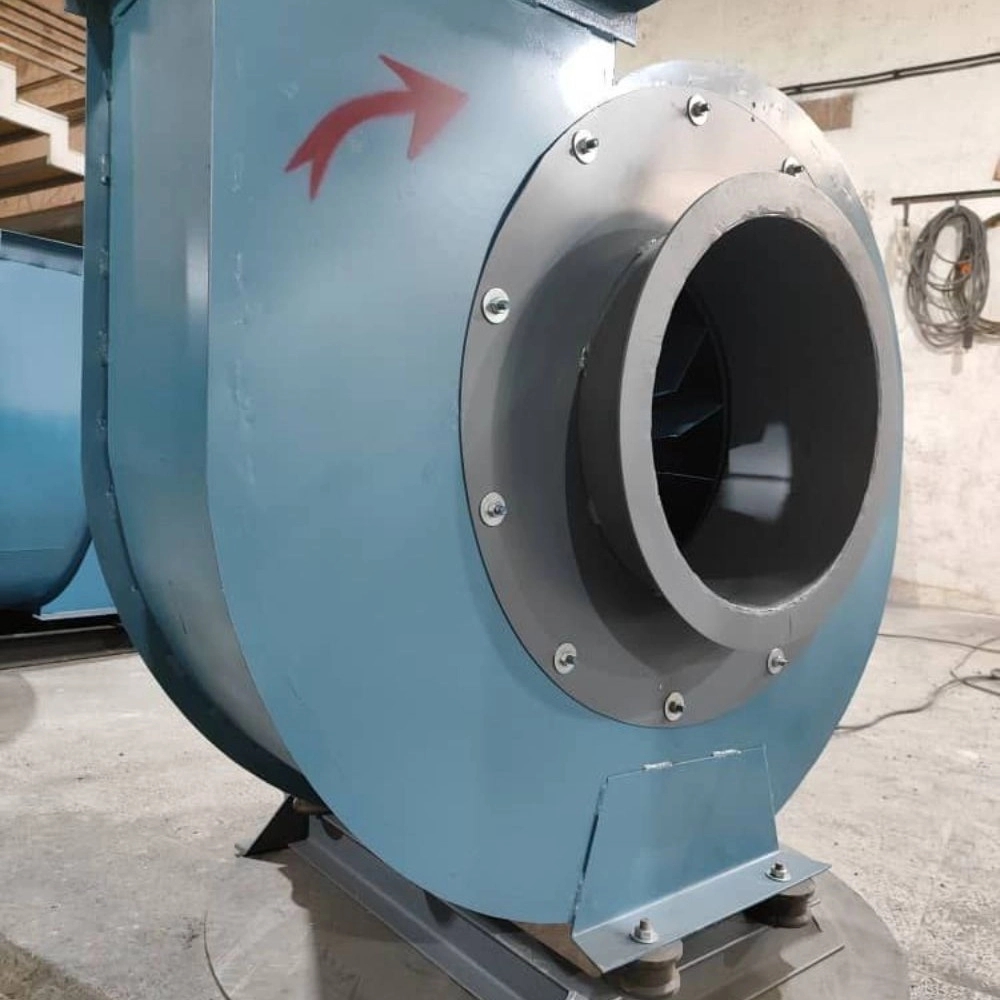
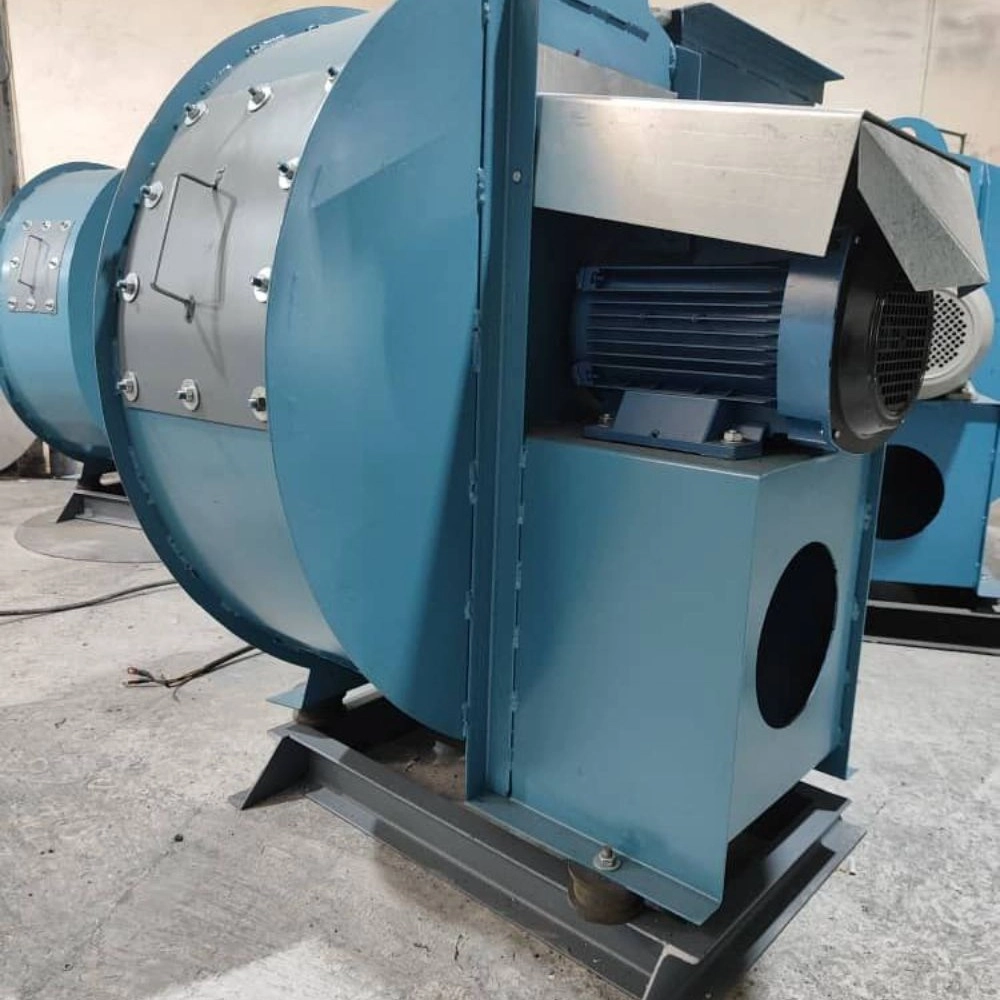
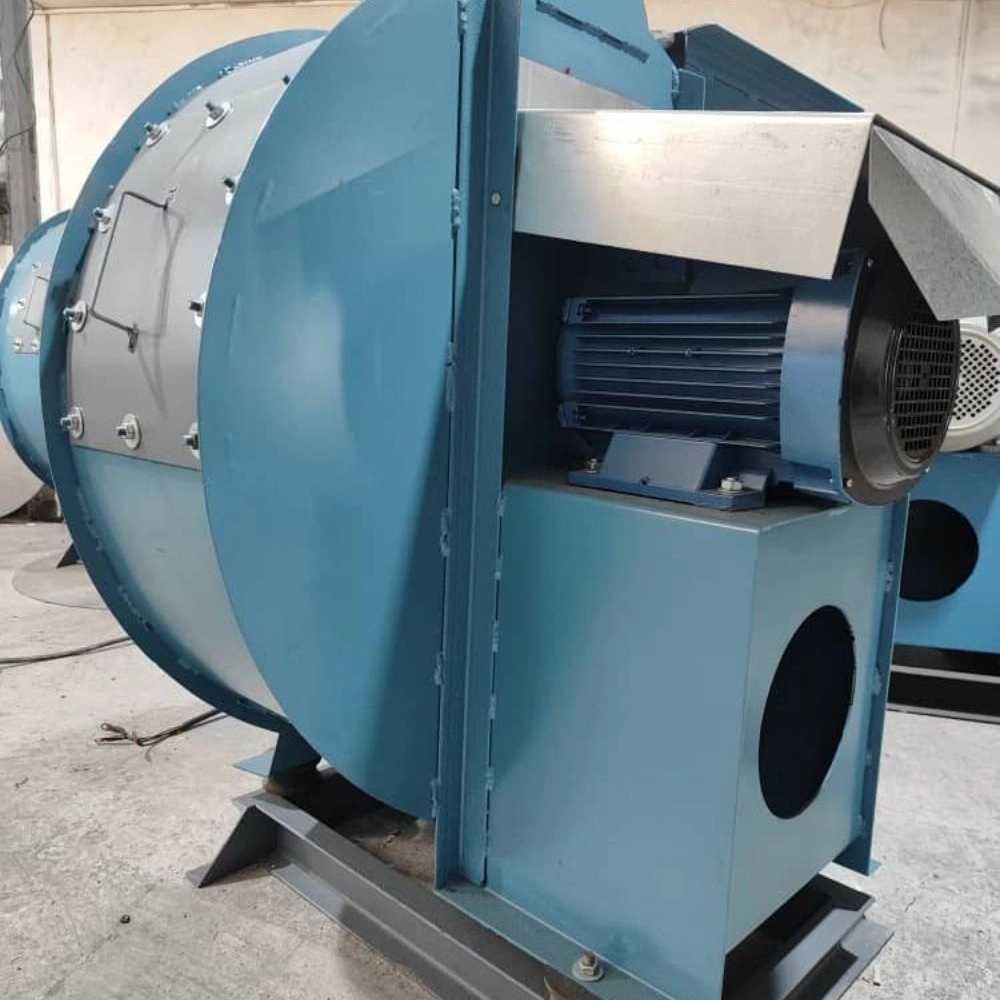
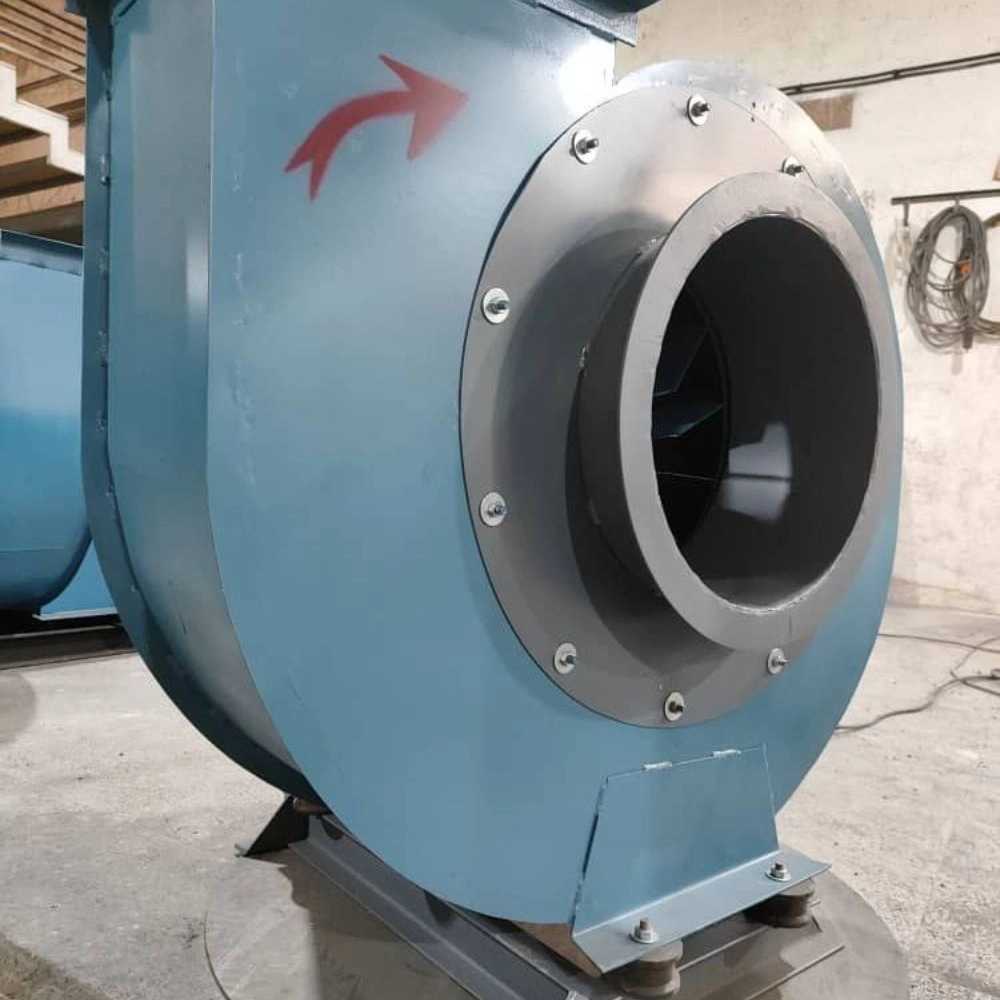
Design of industrial ventilation system in Safahan, centrifugal fan
The importance of industrial ventilation system design
Industrial ventilation does not only mean moving air. A basic ventilation system should be able to remove pollutants from the environment, bring fresh air into the space in sufficient quantity, keep the temperature and humidity in the appropriate range and prevent the transfer of pollution to other parts of the complex. If the ventilation system is implemented without careful design, it may not produce the necessary efficiency despite the high cost, and problems such as suction loss, high power consumption, high noise and poor performance in pollution control may arise.
In Safahan Centrifugal Fan, the design of the industrial ventilation system is done based on the type of use, the volume of the space, the nature of the pollutants and the operational requirements of each project so that the final system is not just an installed equipment, but a real solution to control the air and improve the performance of the industrial environment.
What steps does the design of the industrial ventilation system include?
The fundamental design of the industrial ventilation system requires a detailed understanding of the project conditions. In the first step, the type of pollutant is determined. For example, the ventilation of an environment that has dust from cutting or abrasion will be completely different from the ventilation of a salon with chemical vapors or extreme heat. After that, the dimensions of the environment, the height of the ceiling, the number of operators, the type of machinery, the conditions of the production process and the amount of fresh air needed are checked.
In the next step, the required air flow rate is calculated. This part is one of the main bases of the design, because if the volume of air moved is less than the actual need, the pollutants will remain in the environment, and if it is more than the required amount, the energy consumption and maintenance cost will increase. Then, according to the static pressure of the system, the length of the channels, the number of elbows, the installation location of the equipment and the resistance of the filters, the appropriate fan is selected.
In specialized projects, the design of the ducting network, the placement of hoods, the selection of the filtration system and the determination of the air discharge location are also considered an important part of the engineering process. This is the part that distinguishes the quality of design from a simple implementation.
The role of centrifugal fan in industrial ventilation
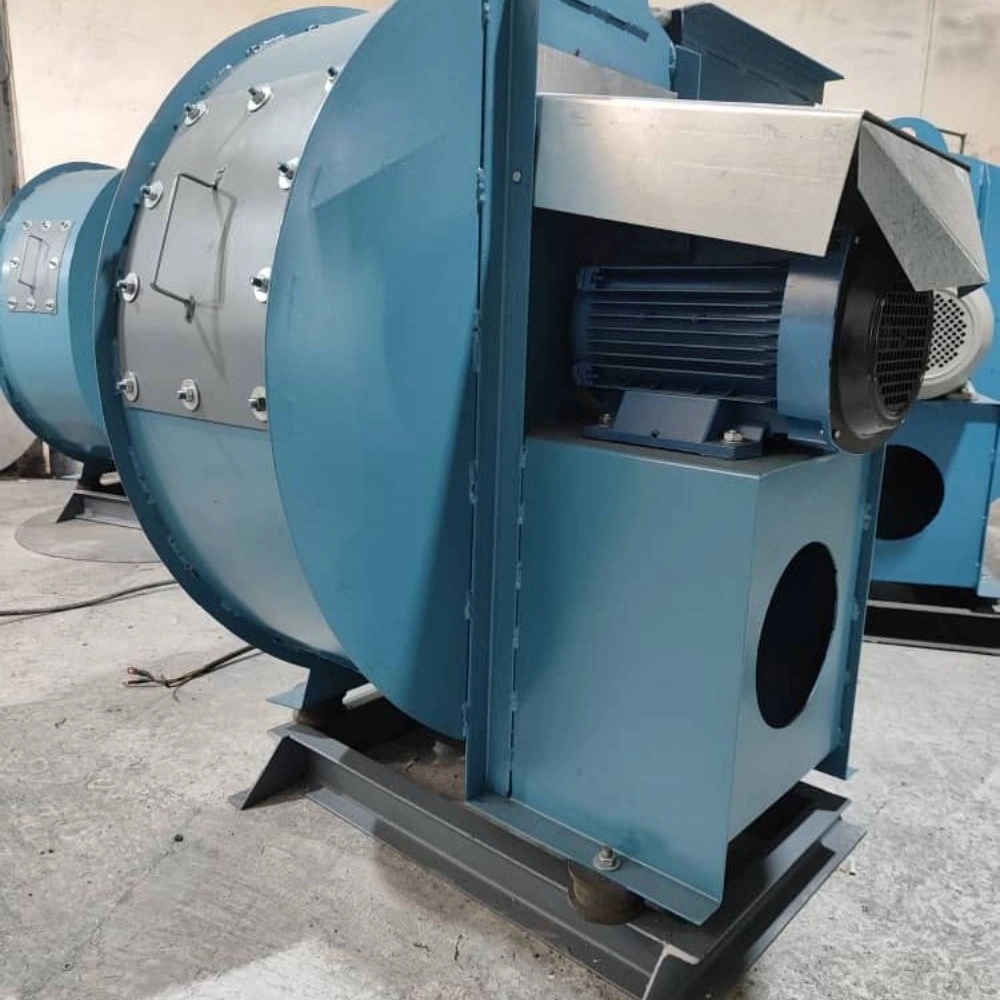
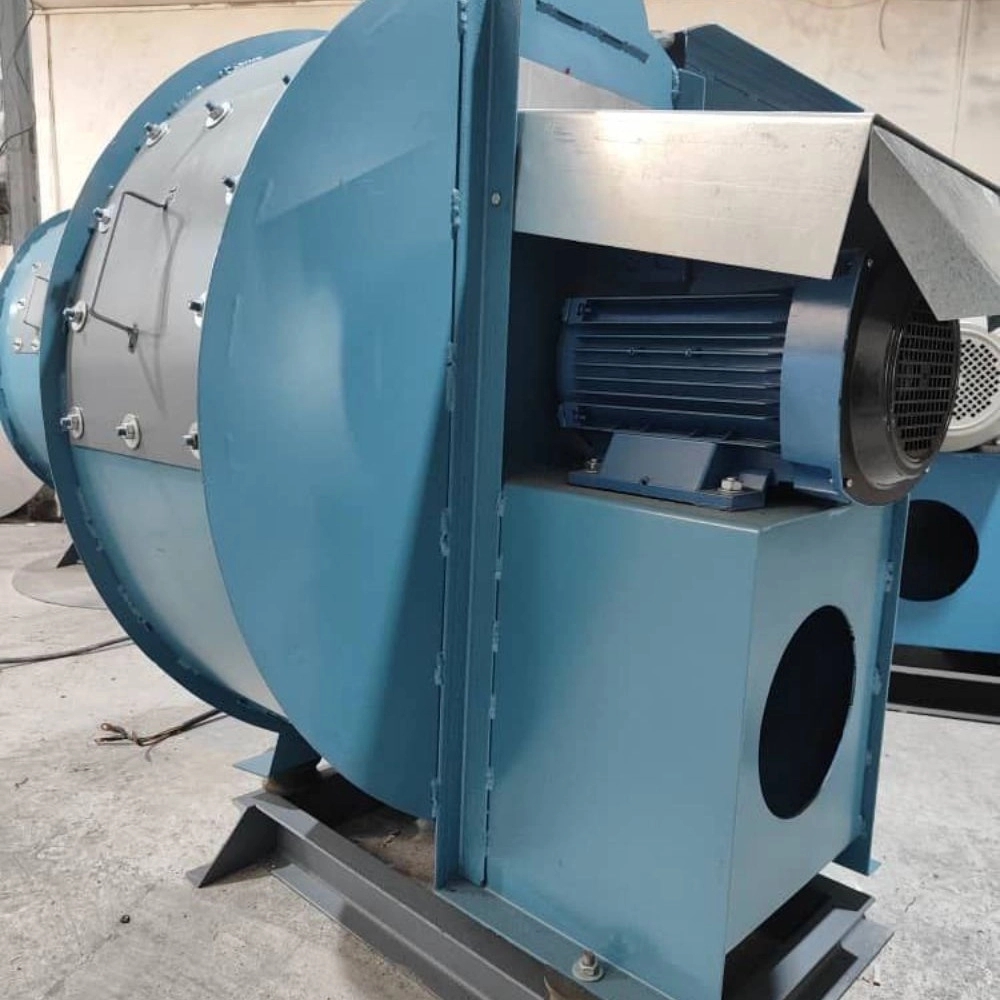
Centrifugal fan is one of the most important equipments in industrial ventilation system design. Due to its ability to generate higher pressure than many axial fans, this fan is a suitable option for systems that have ducting, pressure drop, filter, local suction or dust collector. In many industrial applications, it is not possible to achieve proper suction and effective air transfer without using a centrifugal fan.
In Centrifugal Fan Screens, fan selection is not based solely on nominal capacity. Propeller type, body material, pressure, air flow rate, environmental conditions, pollutant corrosiveness, air temperature and permissible sound level all have an effect on the final choice. This accuracy makes the selected fan compatible with the actual conditions of the project and does not suffer from a drop in efficiency during operation.
Application of industrial ventilation system design in different industries
Ventilation needs are not the same in different industries. For example, in the wood and MDF industries, the main focus is on collecting dust and suspended particles. In welding workshops, evacuation of smoke and gases from the process is more important. In chemical and electroplating industries, corrosive vapors and harmful gases must be collected and controlled locally. In high-temperature production halls, heat discharge and fresh air intake play the main role.
For this reason, the design of the industrial ventilation system in Safahan Centrifuge Fan is not presented in the same version for all projects. Each project is designed based on environmental conditions, type of pollutant and exploitation goals to achieve the highest efficiency.
The main components of the industrial ventilation system
An industrial ventilation system usually consists of several main parts. Centrifugal fan, ducting, suction hood, filter or dust collector, dampers, valves, control equipment and in some projects fresh air compensation system are the main components of this collection. The correct functioning of each part depends on its complete coordination with other parts.
For example, if the fan is powerful but the ducting is not properly designed, the pressure drop will increase and the actual suction will decrease. If the suction hood is not installed in a suitable place, the pollutant will spread in the environment before being collected. If the filter is not selected according to the type of particles, the quality of purification will decrease and the cost of repairs will increase. As a result, the basic design should see all the components of the system in an integrated manner.
Benefits of engineered industrial ventilation design
When the industrial ventilation system is designed in a principled way, its results are not only limited to air quality. This work reduces occupational diseases, increases employee efficiency, reduces depreciation of devices, prevents dust from sitting on equipment, controls temperature and humidity, and improves the quality of the final product. Also, energy consumption is more optimized and repair costs due to wrong design are reduced.
One of the most important advantages of detailed design in Centrifugal Fan Screens is that the system is implemented based on the actual needs of the project, not just based on the selection of a fan or a few generic parts. This approach makes the employer's investment go in the right direction and a reliable result is obtained.
What factors are effective in the design of industrial ventilation system?
Many factors affect the final design quality. The type of pollutant, its concentration, the location of the pollution, the volume of the industrial space, the number of devices, working hours, ambient temperature, the limitation of the installation space, the length of the channel, the number of branches, the type of filter and the maintenance conditions should all be included in the calculations. In addition, in some projects, the noise level, electricity consumption, explosive conditions or corrosiveness of the environment also play a decisive role in the selection of equipment.
Ignoring any of these factors can make the ventilation system look good on paper, but in practice it cannot cover the needs of the project. For this reason, the actual design must be based on technical visits, calculations and analysis.
Why Safahan Centrifuge Fan?
Safahan Centrifuge Fan, focusing on the design and implementation of industrial ventilation solutions, tries to provide a unique solution for each project. Knowing the behavior of air in industrial systems, experience in choosing the right centrifugal fan, paying attention to network pressure drop, accuracy in designing the channeling route and considering the actual operating conditions are among the factors that determine the final quality of the project.
In projects that are properly designed from the beginning, the ventilation system will not only control pollution, but will also be more economical in the long run. This issue is very important for factories and collections that stop production or frequent equipment failures are costly for them.
summary
Designing an industrial ventilation system in Safahan, Centrifuge Fan is an engineering process that is carried out by carefully examining the environmental conditions, the type of pollutant, the required capacity, the system pressure and selecting the appropriate equipment. The use of the right centrifugal fan, the basic design of the channeling, the correct placement of the suction and the selection of the filter compatible with the process play the main role in the success of the system.
If the goal is to create a healthier environment, increase productivity, reduce pollution and optimize energy consumption in the industrial environment, the specialized design of ventilation will be one of the most important infrastructure measures. Safahan Centrifuge Fan can provide a suitable solution for various industrial projects with a technical and operational approach.