
The importance of installing and setting up industrial electrical equipment in a standard way
The main steps in installing and setting up industrial electrical equipment
1. Designing the electrical platform and preparing drawings
2. Physical installation of equipment and cabling
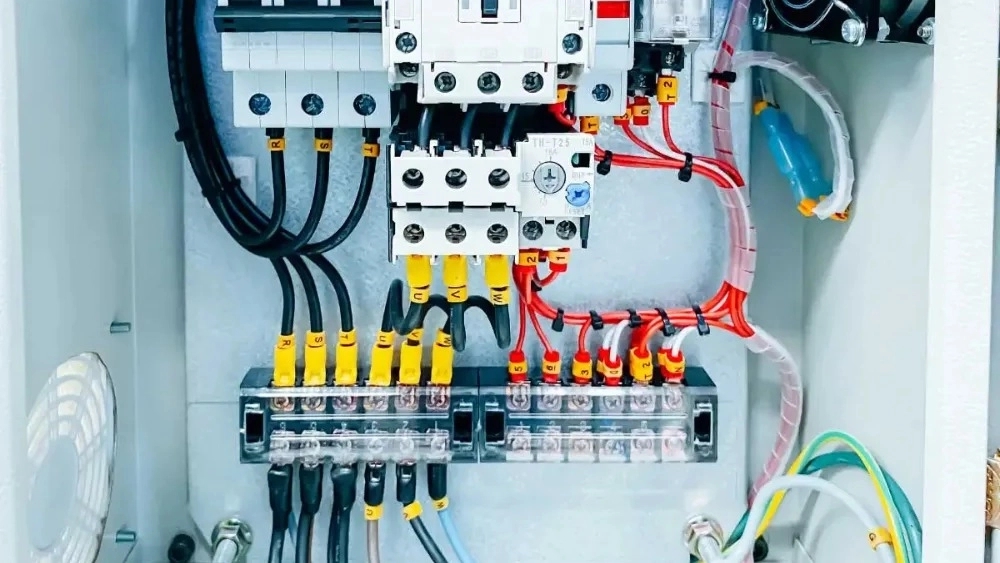
3. End caps and connections
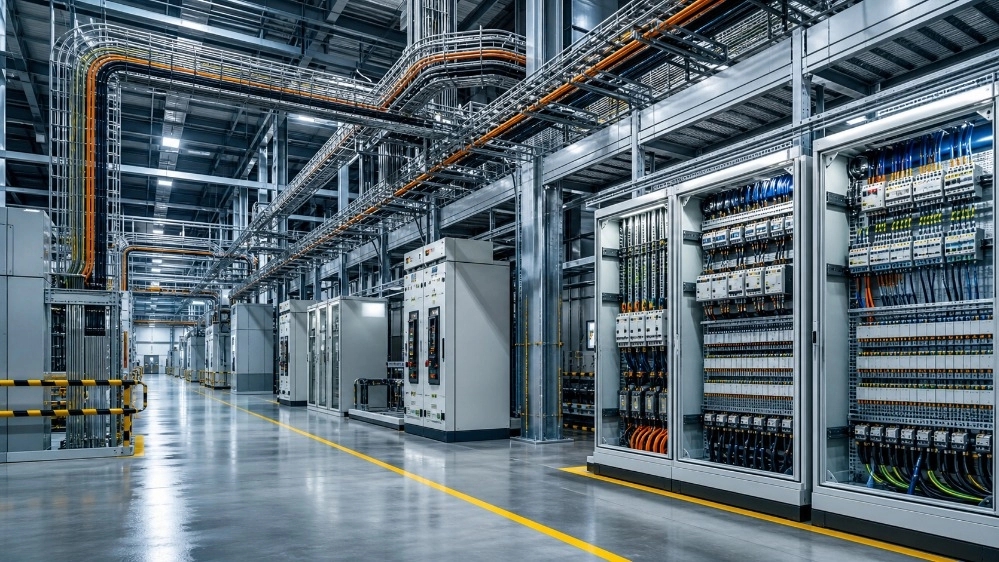
The role of electrical panels in industrial systems
- Low pressure distribution boards: They have the task of dividing the incoming power of the shed into different parts.
- Command and control boards: include switches, relays and control equipment that coordinate the operation of motors and valves.
- Capacitor bank boards: are used to correct the power factor and reduce energy losses in workshop networks.
The electrical base of the sheds and the setting up of production lines
- Design and implementation of an earthing system (connection to the ground) to discharge fault currents and maintain safety.
- Installation of ducts, cable trays and bus ducts to safely guide strong cables to the devices.
- Creation of a shed lighting system in accordance with ergonomic work standards.
PLC programming and integration in industrial electrical equipment
Repairing and troubleshooting industrial and packaging devices
Correction of power factor and the role of capacitor banks
Principles of maintenance and troubleshooting after commissioning
- Periodic thermography tests: Checking the temperature of connections and cables with thermal cameras to identify hot spots before an accident occurs.
- Periodic tightening of connections: Due to the vibration of industrial machinery, the connections inside electrical panels may become loose, which require regular review. Ensuring the correct operation of protection systems.
- Cleaning and dusting of boards: Dust accumulation on electronic equipment such as drives and PLCs prevents their proper cooling and greatly reduces their lifespan.