
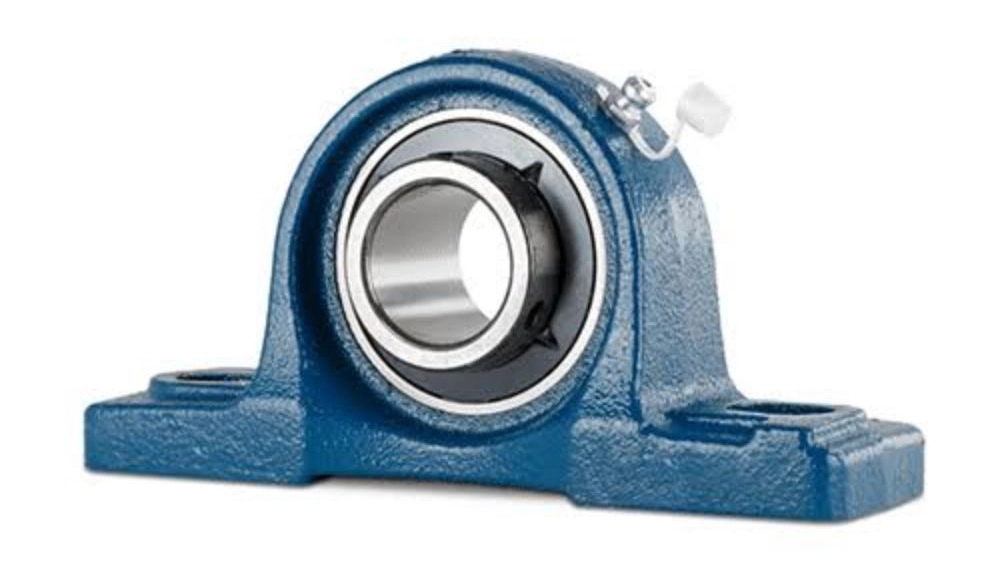
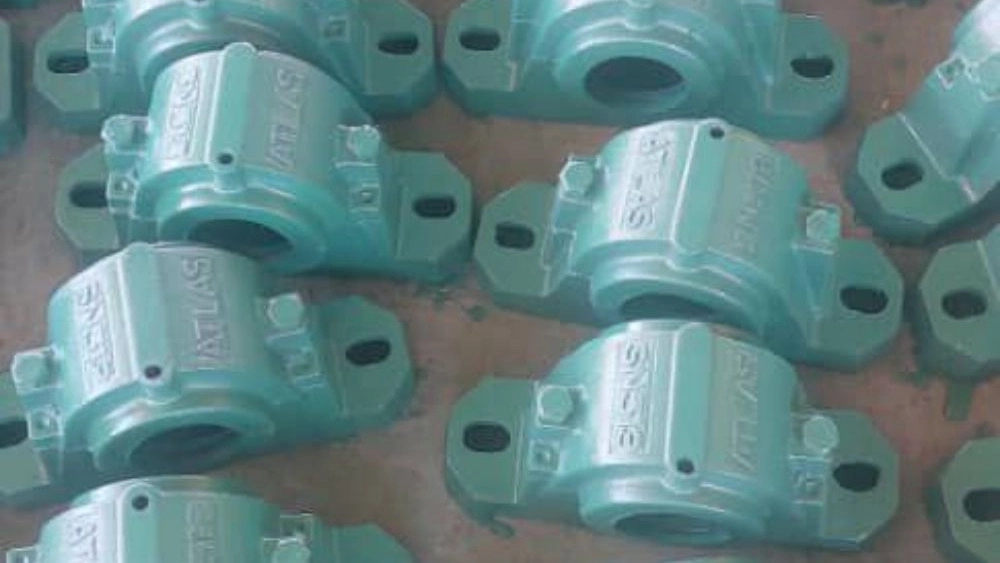
Bearing is one of the most important parts in industrial machinery and has a direct role in smooth movement, friction reduction, vibration control, load transfer and increasing equipment stability. In many production lines, the failure of a bearing can cause the machine to stop completely, increase the cost of repairs, damage the shaft, reduce efficiency, and even cause chain damage in the entire system. For this reason, knowing how to maintain and lubricate bearings to increase useful life is not a simple technical matter, but an economic necessity for factories, workshops, mining units, steel, cement, oil, gas, petrochemical, agriculture and food industries. If the maintenance and lubrication of the bearing is carried out in a principled manner, the useful life of the part will increase, energy consumption will decrease, the working temperature will be controlled and the device will work with the lowest amount of depreciation.
In the industrial parts market, choosing a quality bearing is as important as proper maintenance. Reputable brands and suppliers can reduce the risk of failure by providing a standard product, technical advice and expert support. Atlas industrial bearings are one of the significant options for businesses that are looking to buy reliable, durable and suitable industrial bearings for different working conditions. When a standard bearing is combined with bearing maintenance and lubrication methods, the result will be increased useful life of the machine, reduced sudden stops and improved production line performance.
The importance of bearing maintenance and lubrication in industrial equipment
Maintenance and lubrication of bearings is one of the main parts of the preventive maintenance program in the industry. Bearings are exposed to radial and axial forces, vibration, temperature, dust, humidity, shock loads and environmental pollution. If the right lubricant does not reach the bearing at the right time, the friction between the internal components will increase, and this will cause the temperature to rise, wear the balls or rollers, destroy the rack, change the color of the inner surface and finally lock the bearing. Bearing failure usually seems sudden, but in most cases, it can be detected long ago with symptoms such as unusual noise, increased heat, vibration, grease leakage, or reduced smoothness of movement.
The bearing maintenance and lubrication method is effective when it is designed based on the type of bearing, rotation speed, amount of load, ambient temperature, type of pollution, installation conditions and duration of operation of the device. Using a general grease for all bearings is not always the right choice. Some bearings need heat-resistant grease, some need to work with waterproof lubricant in wet environments, and some need oil or grease with a specific viscosity at high speeds. This is where expert advice and purchasing from collections such as Atlas industrial bearings can help to make a better choice and reduce errors.
What is a bearing and why does its useful life depend on lubrication?
A bearing is a mechanical part that supports rotational or linear motion with the least possible friction. This part is usually installed between the shaft and housing and allows forces to be transferred in a controlled manner. In rolling bearings, there are components such as inner ring, outer ring, ball or roller and rack. In sliding bearings, the contact surface between the shaft and the bush or shell is also very important. In both cases, the lubricant acts as a protective layer and prevents direct contact between metal and metal.
If the lubricant layer is destroyed or loses its quality, wear begins. The wear may be very minor at first, but over time it causes the formation of metal particles, contamination of the lubricant, increased friction and complete destruction of the surface. Therefore, bearing maintenance and lubrication does not only mean adding grease; Rather, it includes the choice of lubricant, the right amount, correct timing, cleanliness, control of working conditions and monitoring of signs of failure. The more accurate this process is, the more stable the bearing will be and the need for early replacement will be reduced.
The most important factors of bearing failure
In order to properly implement the bearing maintenance and lubrication method, the causes of failure must be known first. One of the most common causes of failure is insufficient lubrication. When the amount of grease or oil is less than the required amount, contact between surfaces increases and heat rises. The second factor is excessive lubrication. Many people think that the more grease into a bearing the better, but excess grease can cause increased temperature, internal pressure, leakage from the felt bowl, and dirt pick-up. The third factor is the use of inappropriate lubricant. A grease designed for low temperature will oxidize at high temperature, and a grease suitable for low speed may create high resistance at high speed.
Pollution is also one of the main enemies of bearings. The entry of dust, water, steam, chemicals or metal shavings into the bearing can destroy its rolling surface. Improper installation, impact during assembly, shaft misalignment, overloading, strong vibration and non-standard bearing selection are also important causes of failure. Using Atlas industrial bearings and getting guidance on the right type of bearing for each application can reduce many of these errors. The right part, proper installation and regular maintenance and lubrication of the bearing are three key factors to increase the useful life of the equipment.
Choosing the right lubricant for bearings
Lubricant selection is the heart of the bearing maintenance and lubrication program. The lubricant must be able to create a stable layer between the moving parts, reduce heat, prevent corrosion, control pollution and have sufficient stability in the working conditions of the machine. Greases usually consist of base oil, thickener and additives. The type of base oil can be mineral, synthetic or semi-synthetic. Thickeners such as lithium, calcium, polyurea and lithium complex have different characteristics. Additives can also provide anti-wear, anti-rust, high compressibility or oxidation resistance properties.
For high speed bearings, lubrication with a lighter grease or suitable oil may perform better. For bearings that work at high temperatures, heat and oxidation resistant grease is essential. In humid environments, waterproof grease is important. In heavy equipment such as crushers, conveyors, cranes and mining machines, high pressure grease or EP is a better choice. Atlas industrial bearing technical consultants can suggest a more appropriate option for purchasing industrial bearings and choosing lubricants based on the type of device, load, speed, temperature and working environment. This smart choice directly affects the quality of bearing maintenance and lubrication.
The correct amount of grease in the bearing
One of the common mistakes in bearing maintenance and lubrication is excessive grease injection. The right amount of grease depends on the type of bearing, internal free space, rotation speed and working conditions. In many applications, overfilling the housing causes the bearing to agitate excess grease as it rotates, increasing internal friction. This issue increases the working temperature and may cause a decrease in the quality of the grease, leakage and a decrease in useful life. On the other hand, the lack of grease causes dry contact, wear and rapid failure.
Proper timing for bearing lubrication
Correct timing is very important in bearing maintenance and lubrication. Some machines work every day, some are under heavy load during long shifts, and some are only turned on at certain times. Therefore, it is not possible to determine a fixed program for all equipment. Lubrication interval should be determined based on speed, load, temperature, environmental conditions, lubricant type and bearing type. In polluted, humid or very hot environments, the lubrication interval is usually shorter. In low-speed and low-load devices, the intervals can be longer.
One of the best ways is to create a preventive maintenance program. In this program, the date of the last lubrication, the type of grease, the consumption amount, the working temperature, the condition of sound and vibration are recorded for each device. This information helps the technical team to detect unusual changes before a serious failure occurs. Using regular checklists, training operators and purchasing standard bearings from a reliable supplier such as Atlas Industrial Bearings makes the bearing maintenance and lubrication program more accurate and reliable.
Temperature control and its role in increasing bearing life
Temperature is one of the most important indicators of bearing health. An abnormal temperature increase usually indicates a problem with lubrication, loading, installation, sealing, or bearing quality. If the bearing temperature rises too much after greasing, the amount of grease is probably too high or the lubricant is not suitable for the speed of the machine. If the temperature rises gradually, the lubricant may have oxidized, contamination has entered the bearing, or internal wear has begun.
In the bearing maintenance and lubrication method, temperature monitoring should be part of the daily or weekly schedule. Using a laser thermometer, thermal sensor or online monitoring system can provide valuable information. The normal temperature of each bearing depends on the type of machine and operating conditions, but sudden changes from normal should always be taken seriously. Temperature control allows corrective actions to be taken before the bearing is completely destroyed. Atlas industrial bearing helps industrial units to have thermal stability and more reliable performance by providing suitable bearings for different working conditions.
Prevent contamination in the bearing
Pollution is one of the main reasons for reducing the useful life of bearings. Even very small particles of dust or shavings can scratch the rolling surface and start the path to failure. Water entering the bearing also causes rusting, loss of grease quality and destruction of the internal surface. Therefore, bearing maintenance and lubrication is not complete without pollution control. The storage place of the bearings should be dry, clean and away from corrosive substances. Bearing packaging should not be opened until installation. The installation tool, grease pump, nozzle, gloves and work surface must be clean.
Proper sealing is also very important. Felt bowl, cap, seal and chamber should be selected according to the environment. In cement, mining, agriculture and wood industries, there is a lot of dust and a stronger sealing system should be used. In the food industry or continuous washing, resistance to moisture and detergents is important. Buying bearings from reliable centers such as Atlas industrial bearings can help to choose models with more suitable sealing. Contamination control maintains the quality of lubrication and makes bearing maintenance and lubrication an effective process.
Correct bearing installation and its effect on lubrication
Even the best lubricant and the highest quality bearing will not last long if installed incorrectly. Improper installation can cause misalignment, excessive pressure, damage to rims, change in internal slack, and create unnatural tension. In the bearing maintenance and lubrication method, the installation step must be done with high precision. Using a hammer directly on the bearing, transferring power the wrong way, improper heating, mounting on a damaged shaft or dirty housing can all cause premature failure.
Before installation, the shaft and seat should be checked. Dimensions, surface smoothness, cleanliness, concentricity and absence of rust are important. If needed, mechanical installation tools, induction heater or suitable press can be used. After installation, the amount of slack, free movement, sound, temperature and sealing condition are checked. If the installation is done correctly, the lubricant will be better distributed in the desired direction and the maintenance and lubrication of the bearing will be more effective. Atlas industrial bearing can play an important role in choosing the right bearing and technical guidance for basic installation.
Monitoring the sound and vibration of the bearing
Sound and vibration are the first signs of bearing failure. A healthy bearing usually has an even and smooth sound. A rattling, howling, hissing, knocking or sudden change in sound frequency can be a sign of contamination, wear, lack of lubricant, ball damage or misalignment. Abnormal vibration may also be caused by internal damage of the bearing, imbalance of the moving parts, looseness of the legs, or a fault in the shaft.
In the maintenance and lubrication program of the bearing, listening to the sound of the machine and measuring the vibration should be taken seriously. Operators who work with the machine every day usually notice changes in sound sooner than others. Using a vibration analysis device, industrial phone or position monitoring sensors can make the diagnosis more accurate. If the noise or vibration subsides after lubrication, the problem is probably the lack or quality of the lubricant. If the problem persists, the installation, load, contamination and internal condition of the bearing should be checked.
Practical checklist for bearing maintenance and lubrication
To carry out better maintenance and lubrication of bearings, it is necessary to have a checklist. In the first step, the bearing type, technical code, installation location, working conditions and type of lubricant should be recorded. In the second step, the lubrication schedule should be determined based on working hours and environmental conditions. In the third step, during each service, the temperature, sound, vibration, leakage, flood condition, amount of grease and the appearance of the lubricant should be checked. In the fourth step, if a sign of failure is observed, a corrective action must be recorded.
A suitable checklist can include items such as cleanliness around the bearing, healthy cover, absence of rust, absence of abnormal noise, absence of temperature increase, use of correct grease, cleanliness of tools, proper amount of lubricant and record of service date. This simple method allows the maintenance team to prevent failures instead of reacting after failures. Atlas industrial bearings can pave the way for better selection and more accurate maintenance along with the right product for collections that are looking to buy reliable industrial bearings.
The role of bearing quality in reducing repair costs
No matter how basic the maintenance and lubrication of the bearing is, if the bearing itself does not have the necessary quality, the final result will not be desirable. Poor quality bearings may not have precise tolerances, proper materials, standard heat treatment, or reliable sealing. These weaknesses shorten the life of the part even with proper lubrication. On the other hand, the standard bearing can withstand the load better, have a more stable temperature and show more resistance to wear.
Atlas Industrial Bearings can be a suitable choice for various industries by focusing on providing functional industrial bearings. Promotion of an industrial product is valuable when it is based on a real market need. Factories and workshops need a part that works in tough conditions, is reliable and has technical support. When bearings are purchased from a reliable source and bearing maintenance and lubrication are performed according to technical principles, the total cost of ownership is reduced. This means less cost for repair, less downtime for production and more productivity for business.
The method of increasing the useful life of the bearing in hard working conditions
In harsh working conditions such as high temperature, heavy load, heavy pollution, humidity, high speed or continuous impact, the bearing is more prone to failure. To increase the useful life in such environments, several principles must be observed. First, the choice of bearing should be more accurate. Load capacity, shelf type, sealing material, internal slack and thermal resistance should be selected according to the application. Then the lubricant must be compatible with the same conditions. Using ordinary grease in a high-pressure or hot environment increases the possibility of failure.
In this situation, bearing maintenance and lubrication should be done with shorter intervals and more accurate monitoring. Temperature control, grease analysis, vibration check, sealing visit and cleaning around the bearing become more important. In dusty environments, it is vital to use a suitable flood and prevent contamination. In wet environments, waterproof lubricants and corrosion protection are essential. Atlas industrial bearing can provide more diverse options for such conditions and help to choose a product that is compatible with the actual working pressure.
Bearing storage in warehouse before installation
Bearing maintenance does not start only after installation; Rather, it starts from the time of purchase and storage. The bearing should be stored in the original packaging, dry environment, balanced temperature and away from vibration. Moisture can cause surface rust and dust can enter the part when the package is opened. Placing the bearing on the ground, next to chemicals, or in wet environments is a common mistake that reduces the useful life of the part before installation.
Before installation, the bearing should not be removed from the package for no reason. If visual inspection is required, the environment must be clean. Also, repeatedly rotating the dry bearing or washing the factory lubricant for no technical reason can cause problems. Buying from Atlas industrial bearings and following the principles of storage makes the part maintain its quality until the moment of installation. This step is an important part of the bearing maintenance and lubrication method, which is sometimes ignored.
When should the bearing be replaced?
The purpose of bearing maintenance and lubrication is to increase useful life, but no bearing is permanent. Recognizing the time of replacement is very important; Because continuing to work with a damaged bearing can damage the shaft, housing, coupling, belt, pulley, gearbox or engine. If the bearing makes a continuous abnormal noise, temperature rises abnormally, vibrates excessively, the grease becomes black or contaminated, has excessive play or the inner surface is flaky, replacement should be seriously considered.
Timely replacement does not always mean extra cost; Rather, it avoids larger costs. In sensitive production lines, it is better to replace critical bearings before complete failure and according to the condition monitoring program. Using standard replacement parts from Atlas industrial bearings can reduce the risk of installing an inappropriate part. Also, after replacement, the cause of the previous failure should be checked so that the same problem does not happen again. If the failure is caused by wrong lubrication, contamination or wrong installation, just replacing the part will not be enough.
Why Atlas industrial bearing is the right choice for industries?
Atlas industrial bearings can be a smart choice for businesses looking for reliable industrial bearings. When buying bearings, only the price should not be the decision criterion. The quality of construction, compatibility with the application, suitable inventory, technical guidance, understanding the needs of industries and providing standard products are more important. The wrong choice may seem cheaper at first, but it will cause more damage with premature failure, machine downtime and repair costs.
By focusing on the needs of different industries, Atlas Industrial Bearing can help buyers choose a product that suits their working conditions. When the proper bearing is prepared and the maintenance and lubrication of the bearing is done in a basic way, the useful life of the equipment increases. This advantage is invaluable for manufacturing units, industrial workshops, machine repairers, parts suppliers and maintenance managers. Reliable purchase, correct advice and implementation of the lubrication program are three important factors to achieve stable performance.
Golden tips to increase the useful life of bearings
To increase the useful life of the bearing, you must first start with the right choice. The bearing must be compatible with the load, speed, temperature, environment and type of installation. Then the installation should be done with suitable tools and without direct impact. After installation, the proper lubricant and its correct quantity should be determined. Bearing maintenance and lubrication should be done according to the plan and with information recording. Cleanliness of tools, prevention of contamination, temperature control, checking vibration and hearing the sound of the device should become a daily habit of the technical team.
You should also avoid mixing incompatible greases, excessive greasing, using poor-quality bearings, and ignoring signs of failure. If the machine works under severe conditions, the service interval should be shortened. If the temperature or sound changes, the cause should be investigated. If the failure recurs, the root of the problem should be found instead of constantly replacing the part. Cooperation with a supplier such as Atlas industrial bearings can be very effective in product selection, error reduction and optimization of bearing maintenance and lubrication.
summary
The method of bearing maintenance and lubrication to increase useful life is a set of precise and continuous measures that starts with choosing the right bearing and continues with basic installation, choosing the right lubricant, determining the right amount, scheduling service, controlling temperature, preventing pollution, monitoring sound and vibration, and recording information. The bearing is a small but vital part in industrial machinery, and its failure can bring heavy costs. For this reason, bearing maintenance and lubrication should be a serious part of the preventive maintenance program of every industrial complex.
If your goal is to reduce production line downtime, increase useful life of equipment, reduce repair costs and buy reliable industrial bearings, choosing a standard product is very important. Atlas industrial bearings can be a reliable option for industries, repairmen and technical units; Because choosing the right bearing, along with basic lubrication, is the best path for stable and economical operation of the equipment. By implementing the tips of this article and paying attention to the quality of the part, you can reduce sudden failures, increase the productivity of the device, and increase the chances of success in long-term maintenance of industrial equipment.
