What is copper and what is its place in the waste market?
What is bronze and what are its characteristics?
Detailed examination of the difference between copper and bronze waste from different aspects
Differences in composition and metallurgical structure
- Copper: is a single component element with a pure crystal structure. First-grade copper scraps usually have a purity of more than 99% and are free of any auxiliary metals. Although its base is copper, the presence of tin particles in the interatomic distances of copper completely changes its metallurgical behavior. This alloy structure makes it impossible to use bronze directly instead of pure copper in wiring production processes.
Differences in color spectrum and visual appearance
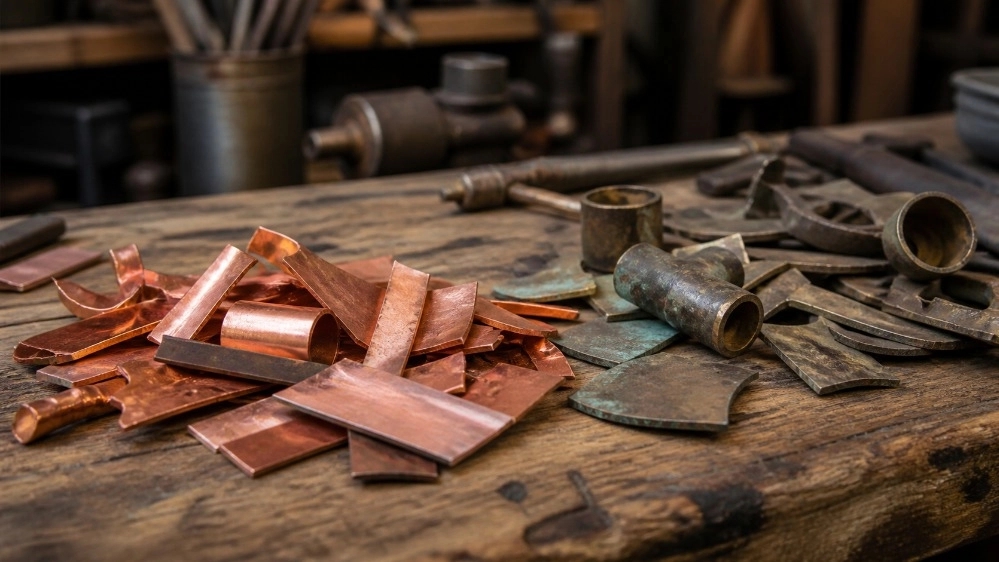
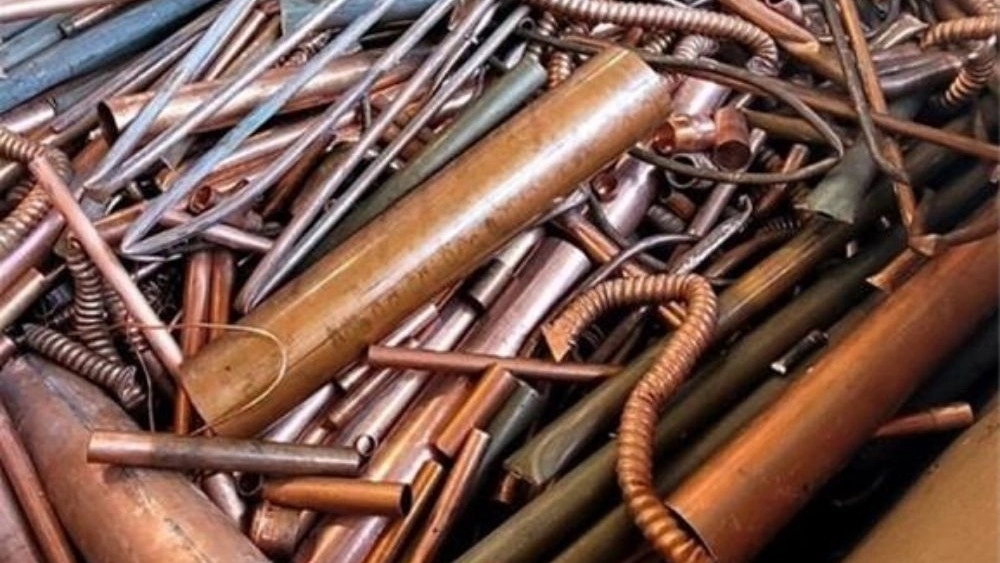
- Copper color: Pure copper has a very bright metallic luster and a red-orange or pink color. If exposed to long-term moisture, a layer of green patina oxide called copper carbonate forms on it.
- Bronze color: Bronze has a duller, darker, brownish or dark yellow color. Bronze is rarely oxidized to a light green color, and mostly due to oxidation, its color tends to dark brown or gray.
Differences in density, weight and mechanical hardness
- Copper: is a relatively malleable and soft metal. Copper tubes or pure copper ingots are easily bent under the pressure of hand tools. If you pull on copper with a screwdriver, it will quickly create a deep scratch. Bronze parts show high resistance to bending, and if pressure is applied beyond the tensile strength, they may break and crack instead of bending. It is much more difficult to scratch the surface of bronze than copper.
Difference in electrical current conductivity
- Copper: is an excellent conductor of electricity. Wires, high voltage cables, coils of electric motors and electronic boards are all made of pure copper.
- Mafragh: Due to the presence of tin and disorder in the structure of the atomic network, it has very low electrical conductivity. For this reason, copper is never used in electrical industries. Cable and wire scraps are always placed in the copper category and should not be mixed with alloy scraps.
Difference in resistance to environmental corrosion and erosion
- Copper: undergoes a chemical reaction in wet, acidic and alkaline environments and its surface wears out. Moving parts that are in constant contact with water or under severe erosion pressure are usually made of bronze to have a long life.