
The construction industry and construction projects in today's world are progressing with a very high speed and precision. The development of infrastructure, the implementation of mass construction projects, the construction of bridges, dams, and residential and commercial complexes require the use of high-quality materials and modern equipment. Meanwhile, concrete as one of the most basic structural elements plays a vital role in the strength, durability and longevity of structures. For basic production, transfer and concreting, the use of mechanized and standard equipment has become an inevitable necessity for contractors and project managers. Choosing and buying the right concrete machines can have a direct effect on reducing current costs, increasing the speed of work progress, and significantly improving the quality of the final concrete.
The importance of equipping the workshop with standard concrete machines
Construction workshops and ready-mixed concrete production units must modernize and equip their machinery fleet based on modern industrial standards in order to achieve maximum profitability and work efficiency. Production of concrete with precise formulation (engineered mixing plan) requires equipment that can operate in harsh environmental conditions and high workloads without loss of performance. Failure to use appropriate equipment can lead to the separation of grains in the concrete texture, early or late setting, reduction of the actual grade and ultimately damage to the entire structure. For this reason, investing in the purchase of high-quality concrete machinery from reputable manufacturers such as the industry leader is a solid guarantee for the financial and technical success of any construction project. In addition to improving the uniformity of the concrete mix, these devices reduce the required manpower and minimize the waste time of the materials.
Types of concrete machines widely used in construction and production industries
To choose the right equipment, we must first have a complete understanding of the types of tools and specialized applications of each of them. Each stage of the concrete life cycle, including material preparation, material mixing, transportation to the site, and finally unloading and compaction, requires a special machine.
1. Central concrete production station or batching plant
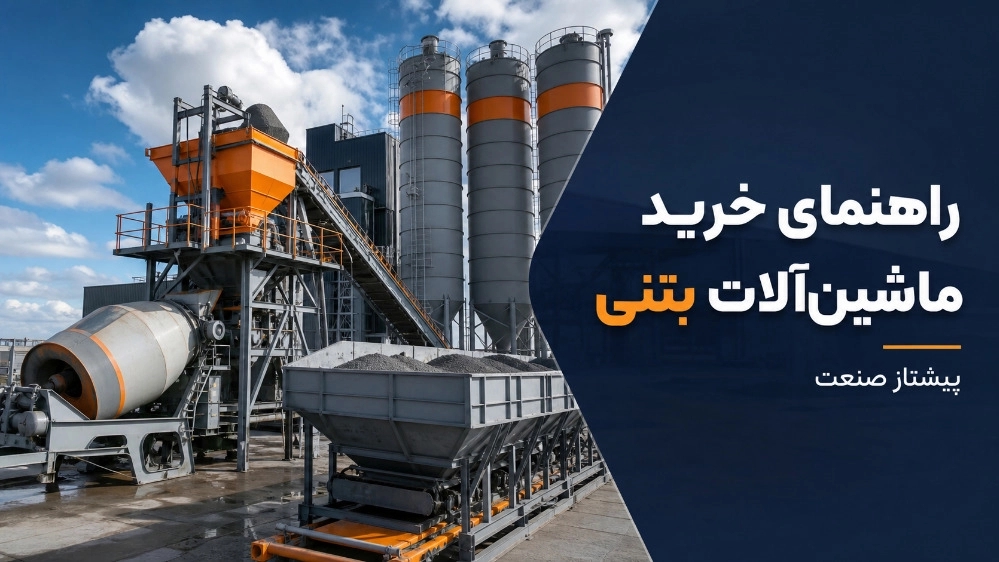
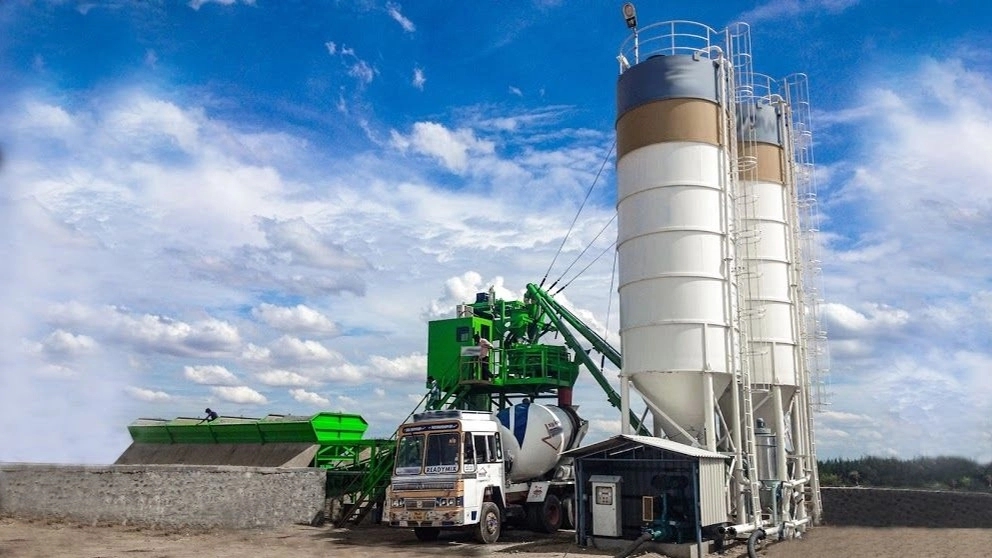
Batching Plant is the beating heart of every large construction workshop and ready-mixed concrete factory. This device is responsible for accurate weighing of aggregates, cement, water and all kinds of chemical additives and their uniform composition. Batching plants are divided into two categories: fixed and portable. Fixed stations are used for factories and long-term projects such as dam or power plant construction, while portable models are ideal for short-term projects such as road construction. In the purchase of concrete machinery, the batching plant is usually the most expensive and the most important part of the investment, so buying from a group like the industry leader that offers the most optimal technology in the design of mixers and weighing systems eliminates production risks.
2. Track mixers and their role in moving ready-mixed concrete
Truck mixers are trucks equipped with rotary boilers, which are responsible for moving concrete from the batching plant to the base of the workshop. Continuous circulation of the tank during movement prevents hardening, sedimentation of aggregates and separation of cement slurry. When buying this category of concrete machinery, special attention should be paid to the thickness of the boiler plates, the type of blades, the hydraulic system of the pump and the engine driving the boiler in order to maintain its efficiency over long distances. The leader of the industry has significantly increased the useful life of this equipment by using anti-wear sheets in the production of mixers.
3. Concrete transfer and discharge pumps
Concrete pump is another key device in high projects, bulky foundations and inaccessible spaces for trucks. These equipments are produced in types of mast pumps (aerial), ground pumps (fixed) and vehicle pumps. Rigid pumps with articulated booms and long hydraulic arms make it easy to drive concrete to high floors and long distances. Pump output pressure, piping diameter and diesel engine power are important components in measuring the value and efficiency of these machines.
4. Concrete mixer or mortar for small and medium workshops
In smaller construction projects where the volume of concreting is limited or access to ready-made concrete is not affordable, concrete mixers are extremely effective. These devices are made in various capacities such as 250, 400, 750 and 1000 liters and work with electric, gasoline or diesel engines. In choosing a concrete mixer, the strength of the chassis, the type of gear around the boiler (belt gear or chain gear) and the quality of the electric motor are very important. The Pishtaz group of the industry launches all kinds of durable concrete mixers with the best industrial connections.
5. Concrete compaction and polishing equipment (vibrator and butterfly trowel)
The process of pouring concrete without compaction and bubble removal will be incomplete. Hose and electric vibrator devices are used to remove trapped air bubbles and compact the concrete structure. After that, a butterfly trowel or helicopter trowel is used for leveling and polishing concrete surfaces in sheds, parking lots and industrial floors. Choosing equipment with a powerful engine and controlled vibration will prevent operator fatigue and increase the final work speed.
6. Block, table and concrete paving machines
For production workshops focused on prefabricated parts, automatic, semi-automatic block machines and table machines are among the main concrete machines. Using hydraulic and strong vibration systems, these machines compress mortar into standard molds and produce products with engineering dimensions and high compressive strength. The leader of the industry in the field of customization of block and table production lines offers modern solutions that bring material waste close to zero.
Important and vital checklist before buying concrete machinery
Purchasing concrete machinery is a heavy investment that, if done without accurate needs assessment, can waste the financial resources of the construction complex. Before making a purchase, be sure to evaluate the following criteria:
1. Proportion of the capacity of the device with the scale of the project
The production capacity of the machine must be consistent with the executive power and daily workload of the workshop. Buying a batching plant or pump with a much larger capacity than the actual need will bring unnecessary depreciation and maintenance costs; On the other hand, low-capacity devices also suffer early failure with double pressure. Leading experts in the industry will calculate the optimal capacity of the machines for you by carefully checking the project size and concrete pouring capacity.
2. Quality of construction materials, alloys and hydraulic parts
Due to continuous contact with rough materials such as sand, cement, and water, concrete machines are always exposed to severe wear, rust, and impact. The use of anti-wear sheets such as Hardox, European hydraulic pumps or reputable brands, high-power electric motors with copper winding and double heavy chassis increases the useful life of the device several times. Industry leading industrial products are always produced with heavy industrial manufacturing standards and the use of reinforced alloys.
3. Ease of access to spare parts and ease of repairs
One of the most important challenges for contractors in concrete projects is stopping the production line due to sudden failure and lack of spare parts in the market. In the concrete machinery market, buying from brands that have full support for parts supply is an unrivaled advantage. The spare parts of domestically manufactured products and industry-leading custom devices are always available and prevent losses due to project stoppages.
4. Industrial control and automation system
In equipment such as batching plants and block making machines, the use of advanced electrical panels, PLC controllers and digital weighing systems minimizes human error in the composition of materials. The capability of accurate daily reporting, remote control and easy setting of parameters are features of modern concrete machines that should be considered at the time of purchase.
5. Valid warranty and genuine after-sales service
Corporate warranty and commitment in setting up and operator training provide peace of mind to the buyer. Many no-name devices do not offer any after-sales service; But reputable workshops maximize the value of the purchase by providing technical support, dispatching a technician in the shortest time, and providing multi-year after-sales service.
Comparison of buying new and used concrete machines
Many construction site owners hesitate when equipping their fleet between buying new concrete machines or buying second-hand machines. Although the initial cost of buying used equipment is lower, the hidden technical defects, high depreciation of pumps, severe corrosion of boiler mixers, and the staggering costs of subsequent repairs often negate this initial cost reduction. Buying new devices from a reliable manufacturer like the industry leader, in addition to benefiting from maximum efficiency and effectiveness, along with a warranty and a long useful life, which creates a much higher economic justification for workshops in the long run.
How to calculate return on investment in concrete machinery investment
Purchasing concrete machinery should not be seen as just an expense, but a productive investment. By replacing traditional methods with automatic machines, the speed of work is multiplied and the waste of materials and cement is reduced. Concrete produced by precision machines has a more uniform compressive strength and eliminates the need for structural modifications. Usually, in industrial and workshop projects, the capital spent on purchasing standard machinery returns within 6 to 18 months by reducing personnel costs and increasing production circulation.
Why Pandaz industry is the best choice for equipping your workshops?
When it comes to buying standard, powerful and engineering concrete machines, the name of "Pishtaz Sanat" industrial group shines as one of the pioneers of this industry in the country. The leader of the industry with years of brilliant experience in designing, manufacturing, installing and operating all kinds of construction machinery and concrete production lines has been able to attract the satisfaction of large national projects and private workshops.
Among the most important features that distinguish the leader of the industry from other competitors, the following can be mentioned:
- Using advanced reverse engineering and modern technical knowledge in the production of batching, concrete pumps, truck mixers and concrete parts production machines.
- Using the best anti-wear materials and world-class electronic and hydraulic parts to ensure uninterrupted operation. Spare parts and dispatch of experienced installation and training teams throughout the country.
- Completely fair and competitive pricing by eliminating middlemen and selling directly from the factory door.
Methods of maintaining and increasing the life of concrete machinery
After purchasing concrete machinery, proper and regular maintenance will ensure sustainable productivity. Following these simple tips can add years to the useful life of your machinery:
- Immediate washing of the mixer pot, concrete pump pipes and shots with water after each concreting shift to prevent the concrete from hardening.
- Regular greasing and lubrication of bearings, bearings, chains and gears according to the schedule provided by the manufacturer.
- Timely inspection and replacement of hydraulic oil and air, diesel and oil filters to prevent System pressure drop.
- Checking the thickness of blades and walls in contact with wear and replacing consumable parts before damage to the main body of the device.
- Protection of electrical panels and digital sensors against humidity, dust and physical shocks in the workshop environment.
summary
Purchasing concrete machinery is one of the most important steps to improve efficiency, quality and profitability in construction workshops, bulking and production of ready-mixed concrete. Careful selection based on workshop capacity, paying attention to the quality of materials, hydraulic parts and control systems is the key to achieving a reliable result. Cooperation with leading and long-standing manufacturers such as the industry leader allows you to equip your workshop with the most equipped machines of the day and take a firm step in the progress of your construction projects with the assurance of quality, service and price. The leading experts of the industry are ready to provide comprehensive advice to you in all stages of needs assessment, purchase, launch and technical support.
