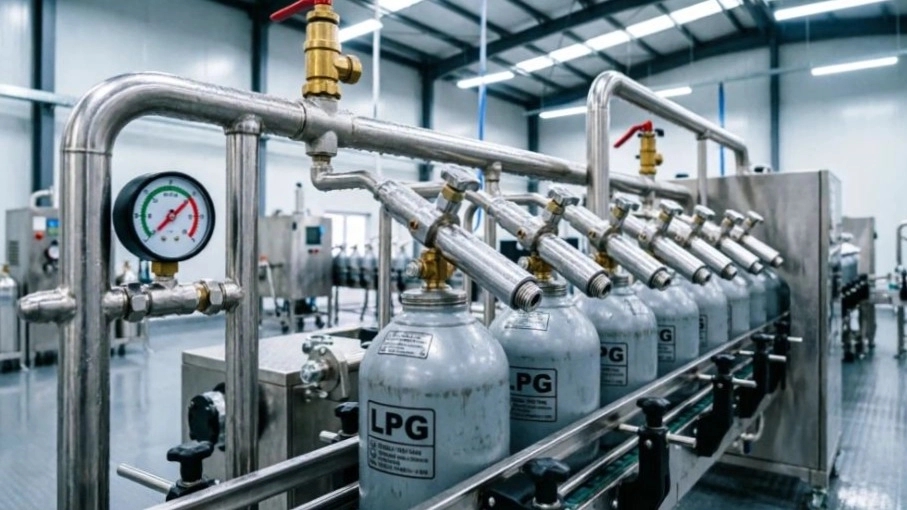
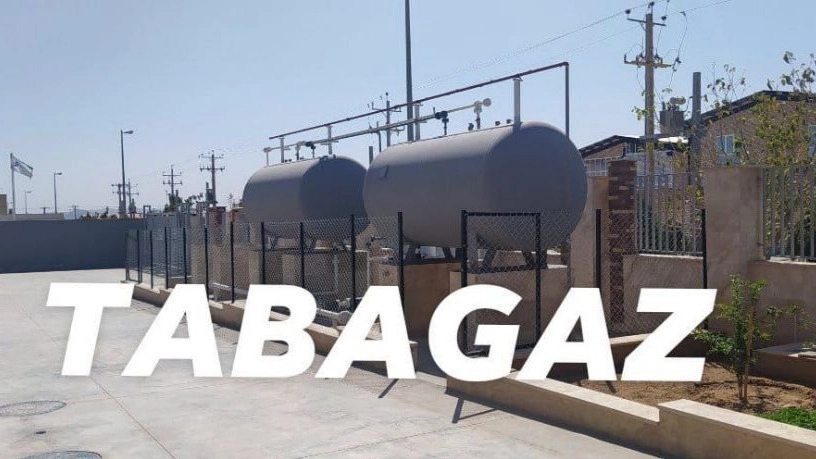
What is the industrial liquefied gas filling spray system?
Why is spray line engineering design important?
The main stages of designing and implementing the spray filling system
1. Product review and production capacity
- What type of spray is produced?
- What is the volume and dimensions of the can?
- What is the weight of the product and propellant?
- What is the required capacity per hour or shift?
- Will the line work manually, semi-automatically or automatically?
- What space is available to install the equipment?
2. Filling process design
3. Designing the gas supply and transmission sector
Important equipment in the spray filling system
- Liquid gas supply source or system
- Appropriate pumping and transmission equipment
- Process valves
- Pipelines and connections
- Pressure measurement equipment
- Temperature measurement equipment at required points
- Control system
- Liquid filling machine
- Valve installation and pressing machine
- Injection machine Propulsion
- Leakage test equipment
- Ventilation system
- Gas detection equipment
- Environmentally appropriate panel and control equipment
- Emergency shutdown equipment
The role of safety in the design of the spray filling system
placement of equipment; A factor that should not be ignored
Choosing the right capacity for the filling line
Quality control in the spray filling process
What is the advantage of automation for the spray line?
How is the project implemented?
Installation of equipment
Implementation of lines and connections
Testing and commissioning
The difference between professional implementation and buying a ready-made device
Maintenance and service of filling spray system
How much is the cost of designing and implementing a spray filling system?
Why is it important to choose an expert executor?
Frequently asked questions about industrial liquefied gas spray filling system
What is the application of industrial liquefied gas filling spray system?
Can the spray filling system be automatic?
What is the most important part in the design of the spray line?
Should a separate ventilation system be considered for liquid gas?
How is the proper capacity of the filling line determined?
Is it possible to develop the line in the future?
What information is needed to inquire about the design and implementation of the spray filling system?
Which group should we contact for advice on the implementation of the spray line?