
Modern agriculture no longer relies on traditional, risky and trial and error methods. In recent decades, with the crisis of water shortage, extreme weather fluctuations and the skyrocketing costs of agricultural inputs, the choice of cultivation methods has become doubly important. One of the most important and profitable decisions that every farmer, gardener or horticultural activist makes is to replace the method of direct seed cultivation with the use of seedlings. A detailed examination of the benefits of vegetable seedlings and the resulting increase in productivity shows that this smart method not only minimizes the risk of plant loss, but also ensures final profitability by managing time, reducing resource consumption and strengthening the root system. In the meantime, it is vitally important to take advantage of the specialized platform for the production and preparation of healthy seedlings; A well-known group like Bayat Greenhouse, with years of experience in producing standard seedlings, has paved the way for the development and increase of tonnage per hectare for farmers all over the country.
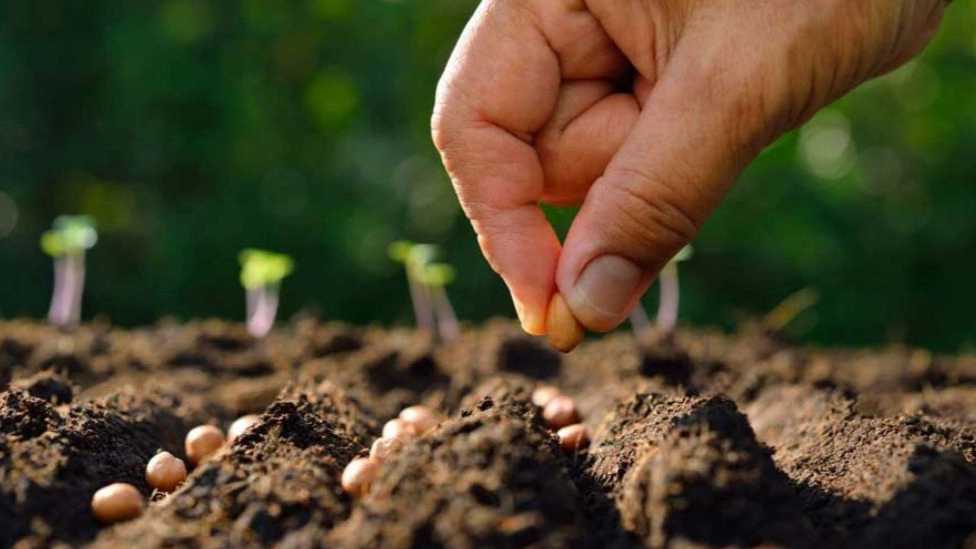
The direct cultivation of seeds in agricultural land is always faced with problems such as suffocation of seeds in the soil, attack by birds, fungi, soil pests and adverse temperature conditions. Every seed wasted in the current market conditions means a direct economic loss. On the other hand, the process of preparing and transferring vegetable seedlings to the main soil is a quantum leap in farm management. In the continuation of this comprehensive and specialized article, we will examine the various angles of the benefits of seedlings of vegetables and fruits and their significant increase in productivity, and we will describe in detail the role of choosing a reliable center such as Bayat greenhouse in harvesting a high-quality product for export.
The specialized concept of grafting and its physiological mechanism
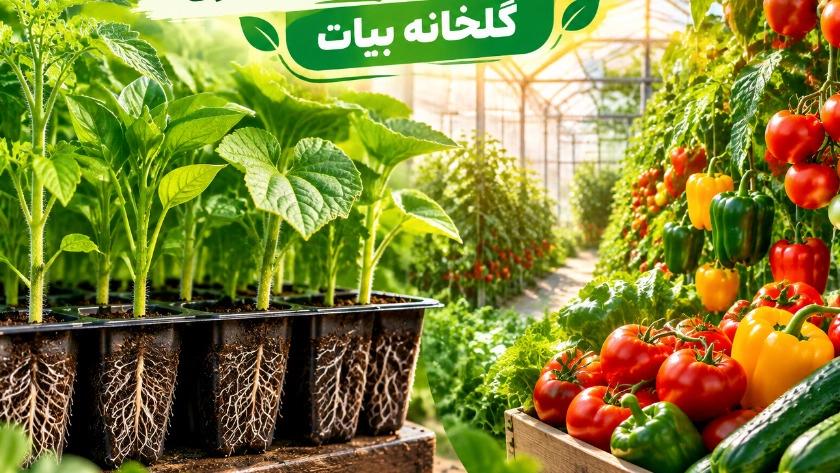
Seedling is basically a young, healthy, multi-leaf seedling that has spent the critical period of germination and initial establishment in a fully controlled environment. This initial growth period takes place in soil rich in peat moss, cocopeat and perlite in special cultivation trays. When the seed is placed in the controlled environment, all environmental factors including temperature, relative humidity, light and air flow are monitored as precisely as possible. These ideal conditions allow the plant to build a strong root structure and a strong crown without bearing natural stresses.
When this seedling is transferred to the main land, it passes the critical stage of germination and quickly connects with the soil. The effect of this biological coordination is fully revealed in the study of the benefits of vegetable and vegetable seedlings and the increase in productivity. The vascular system developed in a high-quality graft absorbs and transports nutrients with much higher efficiency; This is a major difference in the performance of seedlings compared to seed plants. The production of this group of sturdy seedlings requires advanced greenhouse equipment and academic knowledge, which is considered as a basic standard in the Bayat greenhouse.
The best benefits of planting vegetables and herbs and increasing the final yield
The reasons for the economic and technical superiority of using grafts are numerous and chain. When farmers carefully look at the chain of production until harvest, they realize that the benefits of vegetable seeds and increasing productivity are not just a claim, but are derived from the scientific principles of agriculture, which will directly affect income.
1. Impressive early arrival and access to the young market
One of the most impressive benefits of transplanting is to advance the harvest date by 20 to 40 days. In seed cultivation, seeds germinate and grow in sterile greenhouse environment weeks before the field soil conditions are ready for seed cultivation. As a result, as soon as the field temperature is suitable, a plant is planted, which is one month ahead of the growth calendar.
This precociousness allows the farmer to sell his product to the consumer market as a young one. The price of new products is always several times the price at the time of peak supply. Therefore, early access to the market creates tremendous economic value and double net profit for the operator.
2. Uniform density and creating a homogeneous farm
One of the chronic pains of traditional seed cultivation is irregular growth, field scab and uneven spacing of plants. When the seed does not grow in the field, the farmer is forced to work; This causes the creation of bushes with uneven ages, multi-stage harvests and disruption of the spraying and irrigation schedule.
On the other hand, the field study of the benefits of planting vegetables and herbs and increasing productivity shows that in the method of transplanting, one hundred percent of the cultivated areas have uniform and same-aged plants. The uniformity of the field maximizes the productivity of sunlight and soil nutrients and completely eliminates the unfavorable competition between weak and strong plants.
3. Optimal water management and consumption efficiency in drought conditions
The problem of water scarcity is the main challenge of the agricultural sector in our country. The period of seed germination and initial growth in the field requires frequent, light and abundant irrigations; Because the upper surface of the soil dries quickly and enough moisture for the seed is lost. By replacing seeds with greenhouse seedlings, the farmer completely eliminates at least 3 to 5 times of heavy irrigation at the beginning of the season.
This huge saving in water consumption transforms the economic efficiency of the farm. The farmer can spend the volume of stored water during flowering and fruiting periods; The stage where the lack of moisture leads to the falling of flowers and the reduction of tonnage. Focusing on the benefits of vegetable seedlings and increasing productivity is a strategic tool in the sustainability of farms in low rainfall seasons.
4. Save on buying expensive hybrid seeds
Sifijat hybrid seeds (F1) are among the most expensive items for farmers. In the method of direct sowing of seeds, a significant percentage of seeds never sprout or are destroyed at the beginning of leaving the soil due to physical and biological reasons. To compensate for this loss, the farmer has to increase the seed density several times.
Biat greenhouse guarantees the germination of every single seed by using fully automatic seeding devices (seeder) and standard cultivation beds. In this way, the user only pays for the number of plants needed per hectare, and the rate of wasting expensive seeds is close to zero.
5. Great strengthening of rooting and resistance to environmental stress
The roots that grow inside the cells of the seed tray do not undergo root rotation and are formed with a dense and hairy tissue. This massive volume of active roots, when transferred to the soil, receive the least shock and quickly conquer the soil space.
The strong root system is the first defensive shield of the plant against salt stress, drought, sudden heat and wind. When talking about the benefits of seedlings of vegetables and herbs and increasing productivity, it should be known that the physiological basis of this increase in productivity is the volume of active roots that have formed in the isolated and specialized environment of the sterile greenhouse.
Types of high-yielding greenhouses that benefit the most from seedling cultivation
Although almost all crops can be planted as seedlings today, some summer vegetable families experience dramatic performance jumps.
tomato
Tomato is a strategic product that is highly sensitive to timing. Direct cultivation of tomato seeds requires long-term and sensitive care for plant-killing diseases. Tomato seedlings with thick stems and healthy leaves make a very strong foundation for stable cluster flowering and increase the tonnage per hectare exponentially.
Bell pepper and hot
Pepper seeds have a slow germination time and the field soil temperature is usually insufficient in early spring for it to emerge from the soil. The transfer of ready-made pepper seedlings from the sterile greenhouse makes this period of initial stagnation pass completely inside the greenhouse and the plant enters the rapid growth phase immediately after the transfer.
eggplant
Eggplant needs a long growing period and plenty of sun. By using the seeds of summer herbs and vegetables, the user increases the duration of the plant's presence in the warm period of the year and increases the number of times the product is arranged by several rows.
Cucumber, melon and watermelon
The pumpkin family has sensitive roots, but planting seedlings of these products in special substrates without damaging the root mass eliminates the risk of soil pests and produces strong plants with a higher percentage of fruit set.
Leafy and tuberous vegetables and the added value of planting
Contrary to the old idea that gardening is only for greenhouses, now vegetables also have the largest share in this field. Vegetables such as formal lettuce, collard greens, kale, cauliflower, broccoli and celery have made a revolution in production by using seeds.
In the cultivation of vegetables, the occupation period of agricultural land is greatly reduced. This shortening of the residence period of the plant in the soil allows the farmer to have two or even three commercial harvests from the same plot of land during one crop year. Also, it is much easier and cheaper to fight weeds in seeded leafy vegetables due to the priority of seedling growth over weeds.
Comparing the mechanism of increasing productivity from a scientific point of view
More fruitfulness in the method of germination is not random. This process is based on three physiological pillars:
First, the development of the photosynthetic surface: Seedlings form mature leaves earlier and start producing carbon hydrates. This extra energy in the early season strengthens the reproductive phase.
Second, the maximum absorption of micro and macro elements: due to the development of feeding roots, the absorption of cations and anions is much more active in the root area. This makes a significant difference especially in the absorption of phosphorus and calcium, which have low mobility in the soil.
Third, resistance to fungal and vascular diseases: the presence of the plant in the seedling stage in a sterile substrate free from pathogenic pathogens in the sterile greenhouse strengthens the plant's immune system and the plants do not suffer from premature vascular infections such as fusarium wilt. The combination of these three factors forms the main core of the benefits of vegetable and vegetable seedlings and increasing productivity.
Why is Bayat greenhouse the first choice of professional farmers?
Seedling production is an exact science. The difference between a standard transplant and a low-quality and grass transplant is a difference equal to the profit or loss of an entire agricultural project. As one of the pioneers of mechanized seedling production in Iran, Bayat Greenhouse has built its production structure based on international horticultural standards.
In the Bayat greenhouse complex, all processes from the selection of original mother seeds, the use of peat moss cultivation beds with adjusted EC and pH, to the precise management of artificial light, air conditioning and automatic irrigation are carried out under the supervision of experienced horticultural experts. Also, in the last days of the greenhouse period, the "Hardening off" operation is carried out in a principled manner so that the plant gradually gets used to direct sunlight, wind and temperature fluctuations, and faces the lowest percentage of falling or stopping growth in the field.
Purchasing from a sterile greenhouse gives the farmer the assurance that the purchased seedlings are free of any diseases, viruses, nematodes and vector insects. Proper loading and the use of special baskets for transporting seedlings will allow the plants to reach the user in all parts of the country without the slightest mechanical damage and with complete health. If your goal is to take full advantage of the benefits of vegetable seedlings and to increase the yield and harvest many times over, then providing agricultural foundations from this reputable center will be the most reliable first step.
Golden tips when transferring and planting seedlings to the main land
In order to achieve the highest efficiency and realize all the benefits of seedlings and vegetables and increase productivity, it is necessary to pay attention to the following points when planting:
- Choosing the right time for transplanting: the seedling should be planted in the cool hours of the day or preferably in the evening so that the plant has enough time to acclimatize with the soil at night before the strong sunlight.
- Immediate watering: light watering after planting is necessary so that the soil particles are attached to the roots and the air cavities around the roots are filled.
- Using fungicides and rooting stimulators: the use of humic acid and root protection solutions at the planting stage doubles the adaptation speed of the stale greenhouse seedlings to the new environment.
summary
Moving towards economic and sustainable agriculture requires changes in resource consumption patterns and intelligent selection of new methods. Scientific evidence and field experiences clearly show that familiarity with the benefits of vegetable and vegetable seedlings and the resulting increase in productivity will change the way of generating income for farms. From the early arrival and active presence in the emerging market to the essential savings in water consumption, inputs and hybrid seeds, all prove the value of this new method. To ensure a fruitful and worry-free crop season, choosing healthy, original and resistant seedlings from Bayat's greenhouse is a profitable investment that will ensure your success in harvesting a high-quality crop and extraordinary tonnage.
