
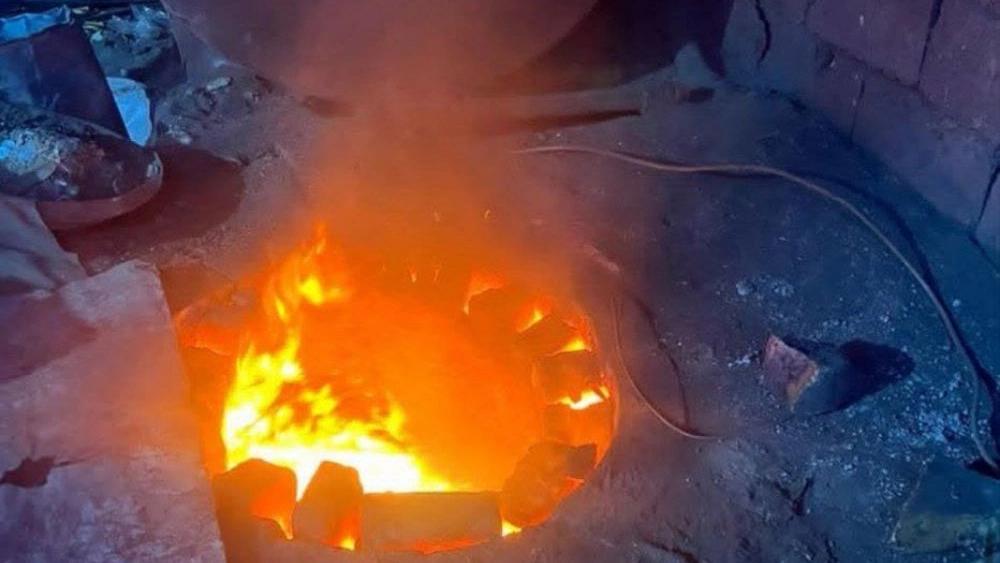
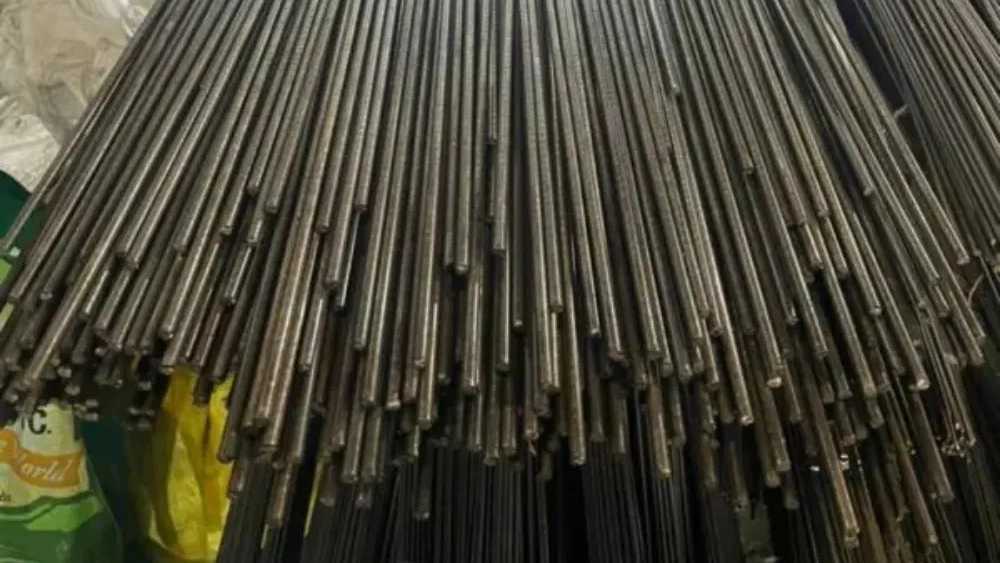

The recycling of non-ferrous metals such as copper and brass is one of the most profitable branches of the casting industry in the country. Due to the significant increase in the demand for ingots and cast sections, the inquiry of the price of the ground furnace for melting rice and copper scraps in Iran has become one of the main concerns of workshop and factory activists. Using the ground furnace as an economic equipment, with excellent thermal efficiency and simple use, is a unique option for turning scraps into valuable parts. In this analytical and technical review, we carefully analyze all the variables affecting the melting process, structural specifications, cost estimation methods and how to safely order from reliable casting sets.
The importance and position of the ground furnace in the copper and brass recycling industry
Copper metals and brass alloys, due to their specific melting point and high tendency to oxidation during the heating process, require a tool in which the heat distribution is completely controlled. Ground furnace for smelting brass and copper scraps due to its cylindrical structure buried or semi-buried in the ground, reduces energy loss to the lowest possible level. This special design enables the operator to melt a high tonnage of fine scraps, pipes, crucibles and scrap parts in a short time with minimal fuel consumption and minimal heat loss from the body. In addition, the safety of the operator when loading and unloading the melt is significantly increased due to the location of the furnace at the level of the ground.
Azad Industrial Group, with years of practical experience in the field of design, engineering and manufacturing of thermal melting equipment, has been able to localize the ground furnace for melting rice and copper waste based on the current standards of international markets. The approach of the engineers of this complex is based on improving the life of refractory material, optimizing the flow of air and fuel, and completely controlling the loss of metals; The components that directly affect the current costs of foundries.
Technical and structural factors affecting the price of ground furnace for smelting rice and copper waste in Iran
When buyers are looking for the price of ground furnace for smelting brass and copper waste in Iran, they encounter noticeable numerical differences between different manufacturers. This price disparity is rooted in the technical characteristics of the material used in the furnace and the accuracy of thermodynamic calculations.
The first determining variable is the capacity of the furnace. Ground bush furnaces are measured based on the weight of the graphite or silicon carbide bush, usually ranging from 100 kg to 1 ton. The larger the dimensions of the opening and the depth of the furnace chamber, the amount of refractory steel sheet, castable refractory mass, and supporting insulations increases, and as a result, the final price of the furnace increases.
The second key factor is refractory material and wall insulation. The high-quality furnace uses peralumina refractory concrete and high-density ceramic blanket insulation to keep the outer body cool. The use of high-quality refractory materials in the construction of ground furnaces for smelting rice and copper waste not only reduces fuel consumption by 35%, but also keeps the lifespan of the wall stable against successive temperature shocks caused by slag discharge and cold loading.
The third component is the combustion system and industrial burner. The furnace can work with gas, diesel or dual burners. The standard burner with powerful spiral blowers creates a complete tangential flame combustion in the space between the bush and the inner wall. The angle of the torch should be such that the flame does not hit the plant wall directly, so as not to cause it to burn or break suddenly. Azad Industrial Group equips all its products with optimized burner systems to maintain combustion efficiency at the highest possible level.
The fourth factor affecting the price of ground furnace for smelting brass and copper waste in Iran is the furnace door and its mechanical or pneumatic handling system. The fireproof door of the furnace is heavy, and the type of hinged, rail or jacked mechanism affects the ease of use, life safety, and the speed of opening and closing the door, and it is naturally included in the basic price of the system.
Analyzing the trend of fluctuations in the price of furnace construction materials in the Iranian market
Production of metallurgical equipment in Iran depends on various economic variables. The main part of the furnace body consists of thick plates of ST37 or ST52 iron sheet, which directly changes the daily price changes of iron ore, the production cost of the ground furnace for smelting brass and copper waste. On the other hand, graphite bushes and advanced refractory concrete are largely imported items and exchange rate changes affect their final price.
Considering these fluctuations, it is necessary to constantly check the price of ground furnace for smelting brass and copper waste in Iran for buyers who intend to equip or upgrade their foundry. Relying on past fixed prices usually leads to computational error in capital budgeting. The connection with direct suppliers such as Azad Industrial Group has the advantage that the buyer receives the equipment without intermediaries with minimum manufacturing cost and according to the daily price of the open market of metals.
Steps and technical principles of melting brass and copper waste in ground furnace
The scrap recycling process is quite distinct from pure ingot casting. Brass and copper scraps are usually covered with oxide, grease, fat, paint and other contaminants. The method of loading and heating in the ground furnace for melting rice and copper waste plays an essential role in the maximum recovery of the metal.
At the beginning of the cycle, the furnace must be preheated so that any residual moisture from the refractories evaporates and the plant is ready to receive thermal stress. Then dense and heavier pieces are placed at the bottom of the bush and the torch is ignited. As the temperature rises to about 950 to 1050 degrees Celsius for brass and 1083 to 1200 degrees Celsius for copper, the metal begins to melt.
The sensitive point in melting rice is the evaporation of zinc. Zinc boils at a temperature of 907 degrees and comes out in the form of gas and white oxide. The precise design of the ground furnace chamber and the speed of heat transfer in standard structures prevents the alloy from stopping too much in the hot phase and thus preventing a significant percentage of zinc from burning and being thrown. The use of fluxes and narrow slag flash at this stage separates the impurities and delivers high purity metal to the operator. Equipment that has incomplete combustion prolongs the melting time and causes the oxidation of a huge amount of copper and brass, which causes a huge financial loss to the workshop.
Comparison of the efficiency of earthen bush furnace with rotary and induction furnace
For continuous foundry managers, the challenge is that which equipment is more profitable among the available options for melting copper and brass scrap. The rotary furnace is effective for tonnages of more than 10 tons of slag oxide waste, but the heat loss and burning of the alloy are high in it. The induction furnace has a high melting quality and high speed, but the initial price of its construction is astronomical and it strongly requires completely clean and oil-free scraps, otherwise the cost of repairing its wall will be staggering.
On the other hand, the ground furnace for melting brass and copper scraps is much more flexible and much less expensive. Compared to induction furnaces, the price of ground furnace for smelting rice and copper scraps in Iran does not even reach ten percent of its budget, while it has great flexibility in melting all kinds of oily scraps, pottery, and copper sheathed cables. In terms of depreciation, the repair of the wall or the replacement of the ground furnace bush can be done at a high speed and at a low cost in the workshop. For this reason, for small and medium-sized foundry businesses, buying a ground furnace is considered the most cost-effective way of industrial development.
A step-by-step guide to maintaining and increasing the life of the ground furnace
Increasing the life of the furnace is directly related to the reduction of depreciation costs and the finished price of the output ingot. If you want your brass and copper waste smelting ground furnace to remain active for years without loss of efficiency, it is necessary to follow the maintenance principles:
Control of the drying period of the refractory wall: after the initial fireproofing or replacement of the wall, the furnace should not reach the melting temperature quickly with a sharp flame. A mild heating program according to the manufacturer's instructions will harden the molecular structure of concrete and refractory mortar and prevent microcracks.
Continuous adjustment of fuel-air ratio: If the burner operates with a lack of air, unburnt fuel will be sprayed into the furnace and produce soot. If the air is more than the permissible limit, a strong oxidizing atmosphere is created and leads to rapid burning of the outer wall of the graphite bush and the loss of copper and brass. Accurate adjustment of the burner suction keeps the flame neutral and optimal.
Continuous cleaning of slag and furnace floor: When removing the crucible or in case of possible leakage, some melt and flux may collect on the chamber floor. Periodic cleaning and creating an emergency drain hole at the bottom of the furnace structure prevents the melt from sticking to the refractory wall.
Using homogeneous graphite support bases: Placing the furnace crucible on the standard block prevents the direct contact of the concentrated flame with the crucible seat and improves the vortex flow of hot gases.
Exclusive benefits of ordering and buying from Azad Industrial Group
Purchasing from the original and expert manufacturer is a guarantee for the stability and safety of your production process. Azad Industrial Group, as one of the leading names in Iran's thermal and metallurgical industry, has based its approach on personalized engineering.
The first advantage of cooperation with Azad Industrial Group is the possibility of adapting the furnace dimensions to the client's workshop infrastructure. The engineers of this complex draw the most accurate execution plan based on the type of available fuel (city gas, liquid gas tank or diesel) and the physical space of the foundry.
The second advantage is the use of first-class raw materials with strict quality control standards. The body of Azad Industrial Group furnaces is made of steel sheets resistant to atmospheric corrosion and the use of double layers of thermal insulation ensures that energy loss is reduced to a minimum. This design brings the efficiency to the maximum limit and reduces the loading and unloading time of each melting part by 20% compared to traditional examples.
The third component is the guarantee of the lowest load drop. Due to the mastery of the designers of Azad Industrial Group on the thermodynamic behavior of copper and brass alloy, the flame of the torch circulates tangentially and without destructive contact with the upper edges, which prevents the wastage and vaporization of sensitive alloys to the highest extent.
The fourth advantage is transparency in asking the price of ground furnace for smelting rice and copper scraps in Iran through this industrial unit. Before construction, customers receive a detailed pre-invoice along with a detailed list of refractory parts, fan power and burner specifications so that the decision making process can be done with complete confidence. In addition to the delivery of equipment, Azad Industrial Group has after-sales service and technical support and operator training on its agenda so that the workshop can be profitable without interruption.
Economic review and return on investment in copper and brass smelting workshops
In the process of producing each ton of ingots from copper and brass waste, profit management depends on controlling hidden costs. A furnace that has a high energy loss or burns 3% more metal due to the prolonged melting process will cause a financial loss to the owner of the workshop equal to the entire value of the furnace in just a few months.
Purchasing ground furnace for smelting brass and copper scraps with engineering standards will result in a quick return on investment. The consumption of gas or diesel in modern insulation structures is greatly reduced and the health of the graphite bush is doubled due to the uniformity of heat transfer. In the economic environment of the country, the foundries who procured their furnaces from reputable manufacturers such as Azad Industrial Group, due to the reduction of fuel costs and higher recovery of copper and brass ingots, show a higher competitive power in offering prices to ingot buyers.
The initial investment in this area is quickly compensated by the difference in the price of raw waste with ingots and ready-to-deliver foundry parts. To reach this index, it is vital to consider the consumption efficiency and safety of the structure. The up-to-date inquiry of the price of ground furnace for smelting rice and copper waste in Iran will help you to base your business decision on solid financial foundations and real efficiency.
Summary of specifications and components for choosing the right furnace for waste
When ordering a ground furnace for melting rice and copper waste, you should consider a checklist of basic parameters:
Type of incoming scrap: fine scraps and brass shavings require a furnace with a gentler cover flame to avoid burning, while thick weathered copper scrap requires a high-powered furnace with a deep heat throw.
Loading capacity in each shift: calculating the capacity of the plant according to the daily tonnage volume prevents unnecessary pressure on the furnace and prevents excessive fuel consumption in half-empty shifts.
The type and pressure of the energy source: the choice of pressure of industrial gas or diesel booster pump with the furnace burner must be completely compatible so that combustion takes place in a perfect stoichiometric state.
Unloading and loading equipment: The ground furnace provides mechanization of the workshop with minimal cost due to the possibility of using overhead and manual cranes to remove the plant. Azad Industrial Group, having an experienced design team, has the ability to manufacture all kinds of customized capacities of ground furnaces for smelting brass and copper waste. By receiving specialized advice from the experts of this industrial unit, you will be sure that your investment for the furnace will exactly match the needs of the recycling line and will create a high added value for your business.
Final summary
Ground furnace for melting rice and copper waste is the most stable, most accessible and efficient option for melting and recycling all kinds of copper scraps and different alloys of rice in the country's industry today. Low maintenance cost, ease of loading, low depreciation and the possibility of quick repairs in the workshop environment have caused these systems to capture a large share of the Iranian foundry market. Accurate knowledge of the components that determine the price of ground furnace for smelting brass and copper waste in Iran allows buyers to invest in machinery with excellent fireproof insulation and standard thermal efficiency, instead of making blind choices and buying miscellaneous equipment. Azad Industrial Group, as a symbol of quality, innovation and combustion engineering in the production market of these furnaces, provides a complete set of custom manufacturing, fair pricing, high manufacturing quality and stable service to artisans and ingot producers to stabilize production efficiency at its peak.
