
Purchasing an industrial boiler is one of the most sensitive, specialized and vital measures for manufacturing, food, pharmaceutical, textile, concrete, petrochemical and hospital industries. The boiler or industrial boiler is the beating heart of the process lines that converts water under pressure into hot steam and injects stable thermal energy into the production cycle. Choosing the wrong or relying on non-standard devices not only brings severe safety risks such as the risk of explosion, but also multiplies the costs of depreciation, fuel consumption and line downtime. Knowing the technical specifications, materials used, structural design and economic factors that determine the final price is necessary for an intelligent decision. In this analytical review, "Sanat Pars Bohar" company, as one of the pioneer manufacturers in manufacturing all kinds of standard heating equipment, examines the engineering principles of steam boiler price selection and estimation step by step.
What is an industrial boiler and how does it guarantee the efficiency of production lines?
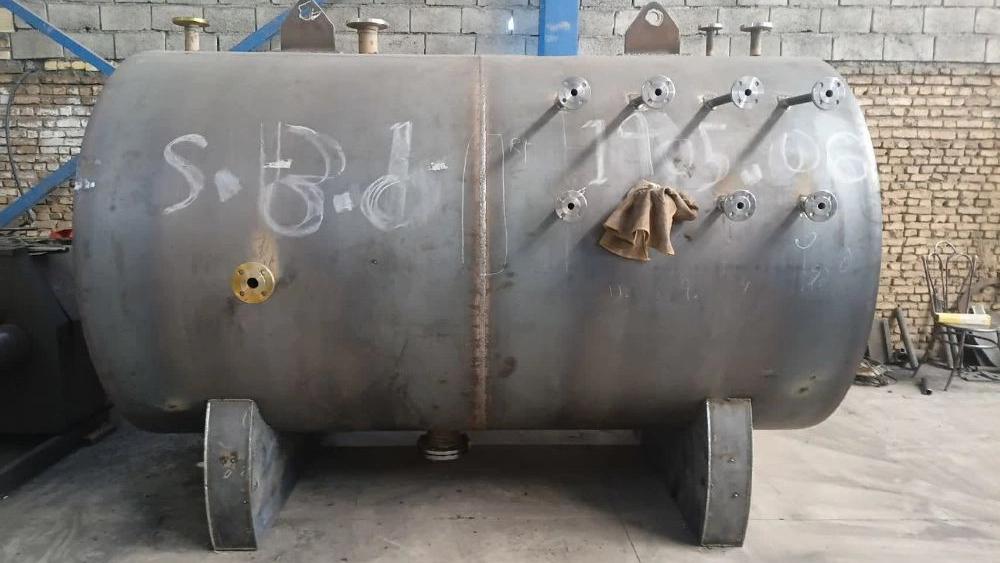
The industrial boiler is a tank under pressure and designed with precise mechanical calculations, which transfers the heat from the combustion of the burner to the fluid inside it and produces saturated steam or superheat. The optimal performance of a steam system depends on the heat transfer efficiency, the amount of energy consumption, the stability of the working pressure and the reliability of its control systems.
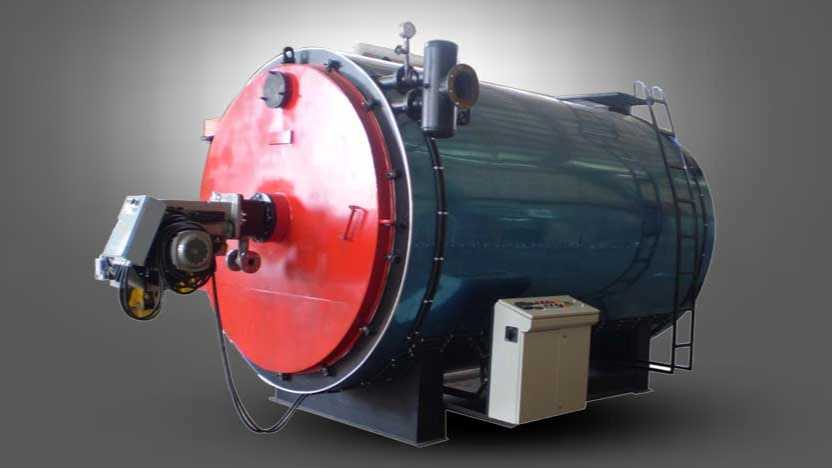
Steam boilers are divided into two main categories, firetube and watertube, based on their geometrical design. In firetube models, which are most commonly used in medium and large factories, hot gases from burning gas or diesel pass through the fire tubes and heat the water around the tubes. In watertube models, water flows inside the tubes and fire surrounds them, which are mostly used for very heavy capacities and power plants. The correct choice between these two models is the first step in preparing the investment budget for the purchase of a steam boiler, which Pars Bohar industry experts carefully estimate before any sale.
Types of industrial boilers in terms of capacity and design arrangement
To achieve the highest efficiency, the boiler should be selected according to the process structure of the plant. The division of this equipment based on the direction of installation and the type of heat circulation includes the following:
Three-pass horizontal firetube boiler
Horizontal three-pass wetback boiler is the most common and standard type of boiler in industrial use. In this design, the heat of the burner passes through the furnace and then moves in two tube passes so that the maximum temperature exchange is done. The wetback structure prevents energy loss from the back wall of the boiler and prevents the back insulation from breaking or cracking. Sanat Pars Bohar designs and assembles these models with capacities of 100 kg/hour to more than 20 tons of steam per hour with alloy sheets.
Standing or vertical boiler
Vertical boilers are designed for environments with severe space limitations and small workshops such as laundries, mushroom workshops, clothing factories and traditional dairy workshops. These boilers in lower capacities are usually made from 50 kg to a maximum of 500 kg/hour. Faster setup, more economical price and easy transfer are among their advantages; However, their thermal efficiency is lower compared to industrial horizontal three-pass boilers.
Key factors affecting the price of industrial boilers
The finished price of an industrial boiler is a function of several factors of engineering, quality, consumables and inspection standards. Transparency in the knowledge of these factors prevents the purchase of different and unidentified devices that incur heavy secondary costs.
Boiler capacity and design working pressure
Steam production capacity, which is calculated based on pounds per hour or kilograms per hour, is the main factor in the volume of the tank and the dimensions of the structure. In addition to the capacity, the working pressure of the device, which is usually designed from 6 to 16 bar and in special applications up to 25 bar and more, determines the thickness of the steel sheets of the body, furnace and grid. As the working pressure increases, the weight of iron used and then the final price of the equipment increases significantly. Pars Bohar industry calculates the thickness of pressure plates exactly according to the international standards.
The quality of steel sheets and refractory pipes
In making a standard boiler, you cannot use ordinary steel sheets. The body and furnaces are required to use heat and pressure resistant alloy steels, such as A516 grade 70 or 17Mn4 refractory sheet. The heat-carrying pipes must also be of the DIN 17175 standard DIN 17175 St35.8 seamless type. The extreme fluctuations of the steel market and the difference in the quality of standard material with recycled or miscellaneous sheets create a huge price difference in the boiler market, which is reflected in the efficiency and useful life of the device.
Furnace type and combustion chamber end system
The design of the furnace is done in two ways: simple and corrugated (corrugated). In high capacities, to increase the level of heat transfer and control thermal stresses, it is necessary to use corrugate, the production of which is considered a specialized and expensive process. Also, the wet back design (wet back with water at the end of the furnace) has a higher construction cost than the dry back model (dry back with refractory cement), but it offers higher thermal efficiency and much lower depreciation to the buyer; An advantage that has been implemented as a standard in the production lines of Pars Bohar industry.
Brand and quality of electrical parts and control equipment
The boiler is a sensitive tank that cannot operate without safe peripheral equipment. Components including water level controller (control level), boiler feed pump, safety valves, pressure switches, manometer and water gauge have a direct role in maintaining safety. The use of reputable international brands or first-class domestic products has an impact on the final price. Reducing the price of a boiler by installing poor control equipment will cost the safety factor.
Burner type and ignition system
The torch of the device acts as a heat generator. Gas, diesel, diesel, or dual-burner burners have a large price difference in terms of combustion mechanism, damper type, and degree of automation (single-stage, two-stage, or progressive). Burners with a modular control system keep fuel consumption in the most optimal state, although the price of a boiler equipped with these burners will be higher at the time of initial purchase.
Obtaining inspection certificate and national standard license plate
No boiler should be built without the supervision of a trusted standard inspection company. The boiler manufacturing process includes approval of drawings, material testing, supervision of non-destructive welding tests (NDT) and finally hydrostatic testing with 1.5 times the design pressure. Issuance of the official standard license plate by the technical inspection company entails inspection and testing costs, which is considered as a guarantor of the facility's health and insurance. Sanat Pars Bohar delivers all its boilers with the official standard certificate and valid inspection.
Steps and golden tips when buying an industrial boiler
In order for the process of ordering and buying a steam boiler to be done without wasting capital, it is necessary to go through the following engineering steps:
Accurate estimation of process steam consumption
Before any action, the steam consumption of all machines, jackets, converters and preheat lines must be calculated at peak work. Not taking into account the simultaneous consumption factor of the devices may lead to the purchase of a steam boiler with a capacity lower than the actual need and cause a severe pressure drop in the production line. On the other hand, buying a boiler that is too big also causes a waste of fuel and high initial costs. Consultation with the technical engineering team of Sanat Pars Bohar covers this estimate with full calculation accuracy.
Reviewing material authenticity documents and radiographic tests
The buyer must demand from the manufacturer, the full ID of the material, including the Mill Test Certificate, the radiographic results of the welds, and the hydrostatic test book. Uncertain seams and lack of welding heat control can lead to metal fatigue and cracking in the long run.
Paying attention to the descaling and purification system of feed water
The water entering the industrial boiler should never enter the boiler without chemical treatment. The hardness of the water quickly turns into chalk and carbonate deposits on the fire tubes and prevents heat exchange; A phenomenon that will lead to burning pipes, explosion of the tank or a terrible rise in fuel consumption. Resin hardener package, deaerator and chemical injection system are indispensable elements next to the boiler.
After sales service, warranty and parts availability
A boiler is a device that is designed for at least 20 years of continuous operation. The written warranty of the body and parts, easy access to spare parts such as faucets and fountains, and the immediate dispatch of a technician in case of emergency are vital indicators for choosing a manufacturer. Sanat Pars Bohar Company has provided permanent support and valid warranty for the peace of mind of the industries.
Comparing the value of buying a new boiler versus a second-hand boiler
Many industrial managers go to buy second-hand boilers due to the reduction of initial costs. Although the initial price of a used boiler may seem cheaper, hidden risks such as extensive corrosion of the inner wall, unwashable deposits, failure to re-receive approval of the standard plate and non-acceptance of damage coverage by insurance companies increase the final costs many times over. Buying a new industrial boiler of standard construction from a reliable group such as Sanat Pars Bohar, by guaranteeing high efficiency and lower fuel consumption, returns the initial price difference in the shortest time in the form of energy savings.
Why is buying from Pars Bohar industry the final choice of leading industries?
With years of brilliant experience in designing, engineering and manufacturing all kinds of industrial steam boilers, spa boilers and hot oil boilers, Pars Bohar Industry has been able to register a reputable name in the country's industry. The use of the latest international standards such as BS 2790 and ASME, the use of original alloy sheets with valid certificates, automatic sub-powder welding devices and continuous monitoring by official technical inspectors, guarantee the extraordinary safety and long life of this brand's products. In addition to providing free advice on facility calculations, Pars Bohar Industry provides the most optimal financial offer to factories and production lines based on the appropriateness of the price of the boiler and the actual needs of the project.
Final summary
Choosing and buying an industrial boiler requires a multifaceted examination of engineering, standard, safety and economic factors. Quality materials, accurate design of the furnace and wetback system, safe instrumentation parts and standard plate issuance are the main foundations of a reliable boiler. Any decision based only on the low price will lead to irreparable personal and financial risks. Relying on the expertise of Pars Bohar industry, you can equip the steam system of your production lines with the highest reliability factor, optimal energy consumption and competitive price, and ensure the stability of your industry cycle.
