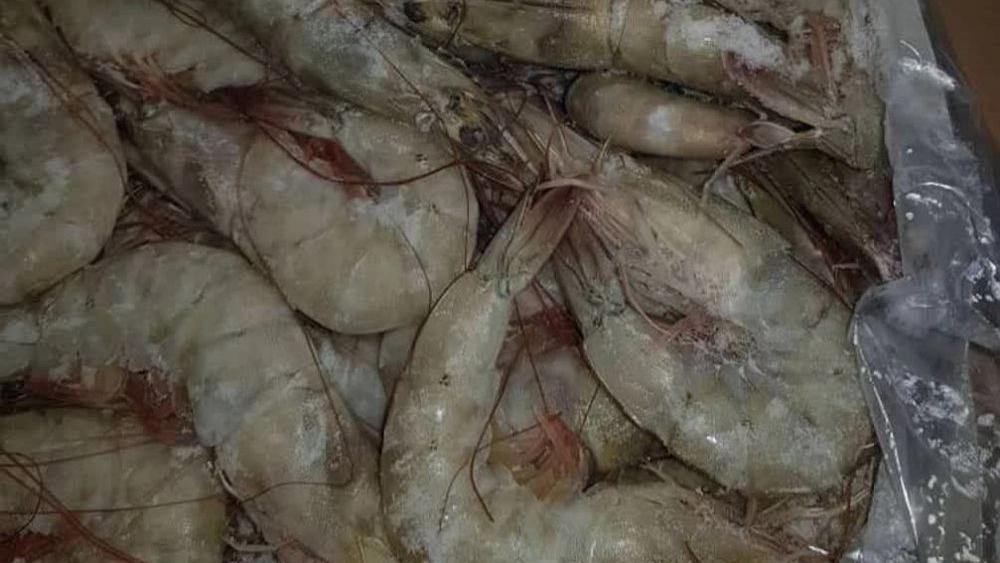


Shrimp is one of the most important marine products available in domestic and international markets, which has a special place in food products trade due to its high nutritional value, diversity in consumption method and appropriate demand in different countries. However, successful entry into foreign markets is not only limited to product production, and compliance with health requirements, quality control, proper packaging, proper transportation, and documentation of the production process are very important.
Exporting shrimp with today's world standards requires a series of interconnected processes that starts from the selection of raw materials and breeding conditions and continues until processing, packaging, storage, transportation and delivery of the product at the destination. Each stage must be managed with sufficient sensitivity to maintain the quality of the shrimp in the export route.
Dudanam Food Industries, focusing on food and marine products, can be considered for groups that seek to supply and supply shrimp suitable for different markets. Paying attention to product quality, control processes and requirements related to packaging and maintenance are important factors in the export of marine products.
What is the export of shrimp according to today's world standards?
The meaning of shrimp exports with world standards is to comply with a set of quality and health requirements at all stages of the supply chain. The export product must be prepared according to the requirements of the target market in terms of health, quality, storage conditions, packaging and traceability.
Different countries may have different regulations for importing marine products. Therefore, the exporter must check the regulations of the destination country in addition to the general requirements.
The quality of shrimp in the export market is not only evaluated based on the appearance of the product. The production method, processing conditions, temperature control, environmental hygiene, type of packaging and product documentation are also important.
Why is the standard important in shrimp export?
Marine products are sensitive food items, and if hygiene and cold chain principles are not followed, their quality can decrease. For this reason, the standardization of shrimp production and export process plays an important role in maintaining product quality.
In shrimp exports with world standards, all steps must be managed in a coordinated manner; Because weakness in any part can affect the final result.
Steps to prepare shrimp for export
The shrimp export process starts from the time of production and continues until the product is delivered to the destination. Each step requires proper control and planning.
Shrimp production and breeding
The quality of exported shrimp is largely dependent on its cultivation conditions. Proper management of water, nutrition, environmental health and control of factors affecting shrimp health are important issues at this stage.
Using proper breeding methods can help produce a healthy and high-quality product. Also, recording information related to the production process can be important in the next steps to track the product.
Initial withdrawal and transfer
After the shrimp reach the right conditions, the harvesting process must be done carefully. Reducing the transfer time from the harvesting site to the processing center is very important.
Temperature control at this stage is also one of the important factors to maintain product quality.
Shrimp processing
In the processing center, the product undergoes various processes. Washing, separating, grading, cleaning and preparation for packaging are among the possible processing steps.
The type of processing should be done according to the product and the needs of the target market.
Importance of cold chain in shrimp export
One of the most important issues in shrimp exports with today's world standards is maintaining the cold chain. Shrimp is sensitive to improper temperature conditions and temperature changes can affect its quality.
The cold chain should start from the time of harvesting and processing and continue during storage, loading, transportation and delivery.
Using suitable equipment for storing and transporting frozen or chilled products can help maintain the quality of shrimp.
Shrimp standard packaging
Packaging plays an important role in product protection. Shrimp packaging should be selected according to the type of product, transportation conditions and the needs of the target market.
A suitable packaging can protect the product from pollution, physical damage and environmental factors. Also, information about the product must be included on the packaging according to the regulations of the destination market.
Proper packaging features
The packaging of exported shrimp should be as resistant, hygienic and appropriate to the storage conditions as possible. The type of packaging depends on the form of product supply, the duration of transportation and the conditions of the destination market.
In shrimp exports with today's world standards, packaging should be considered part of the product quality control system, not just a cover for supply.
Quality control of exported shrimp
Quality control should be done in different stages. It is important to examine the product in terms of its appearance, health conditions, temperature, packaging and other characteristics required by the destination market.
The purpose of quality control is to identify possible problems before sending the product. This process can help reduce the risk at the time of export.
For collections active in the field of export, establishing a specific process for quality control can help better manage international orders.
The importance of product traceability
Traceability is one of the important issues in the food supply chain. Information related to production, processing, packaging and shipping can be used if needed to check the product's path.
Proper tracking helps the manufacturer and exporter to have more accurate information about the product and simplify the investigation process if a problem occurs.
In shrimp exports with world standards, process documentation can be an important part of quality management.
Compliance with the requirements of the destination market
One of the most important points of exporting food products is knowing the laws of the destination country. Each market may have different requirements for importing marine products.
These requirements may include items on ingredients, residue, labeling, packaging, health certificates, and shipping conditions.
For this reason, before sending the product, the exporter must check the regulations of the target market and coordinate the preparation process with it.
The role of health certificates in shrimp export
Exported food products usually require documents and certificates related to health and quality. The type of these documents is different depending on the destination country and its import regulations.
Certificates related to product health can provide information about the health status of the shipment and be part of the requirements for entering the product into the destination market.
Therefore, in shrimp exports with today's world standards attention to documentation and legal requirements is as important as the physical quality of the product.
Export of Iranian shrimp to foreign markets
Iran has the possibility to be present in the market of marine products due to its access to water resources and shrimp farming capacities. However, success in the export market requires attention to quality, packaging, health standards and the needs of target market consumers.
In order to have a stable presence in foreign markets, Iranian products must be able to meet the expectations of buyers in terms of quality and supply process.
In this way, it is very important to produce products according to the requirements of the destination market and comply with export principles.
Selecting the target market for shrimp export
International markets differ from each other in terms of consumer taste, product size, packaging type, and import requirements.
Therefore, before exporting, the target market should be checked properly. Understanding the needs of buyers, checking import regulations, competitors' conditions and the type of product required can help in better planning.
Choosing the right market should be done based on real information and checking business conditions.
Importance of shrimp size and type in export
Shrimp comes in different sizes and types. Different markets may have different demand for different types of shrimp.
Some customers prefer larger shrimp, and some markets prefer medium or smaller sized shrimp.
In shrimp exports with world standards, accurate grading of the product and its supply based on the needs of the target market can be very important.
Transportation of export shrimp
Transportation is one of the most sensitive stages of exporting marine products. The type of means of transport, the duration of the journey, the temperature of storage and the way of loading should be chosen according to the type of product.
For frozen shrimp, maintaining the right temperature along the way is especially important. Any disturbance in the storage conditions can reduce the quality of the product.
Therefore, proper logistics planning is an integral part of shrimp exports with world standards.
The role of logistics in maintaining shrimp quality
Export logistics is not limited to the choice of means of transport. Its storage, loading, packaging, documents, movement and delivery schedule should also be coordinated.
The more carefully the logistics process is managed, the more likely it is to maintain product quality along the way.
For shrimp export, coordination between producer, processing unit, warehouse, transport company and foreign buyer is very important.
Dadnam food industry and shrimp export
Dadanam Food Industries operates in the field of food and marine products and can be considered for groups that seek to supply and supply shrimp for different markets.
Focusing on product quality, proper packaging, compliance with storage conditions and attention to market needs are factors that are important in activities related to the export of food products.
In order to successfully enter the international markets, the product must be under proper control from the stages of production and processing to packaging and transportation.
Dadanam Food Industries can play a role in the supply chain of marine products and their preparation for different markets, according to its field of activity.
Benefits of cooperation with the food industry
In marine products business, choosing a reliable collection for product supply is very important. In addition to product quality, major buyers usually pay attention to continuity of supply, packaging, and shipping conditions.
Dudanam Food Industries can be an option to consider for groups that are looking for cooperation in the field of food and marine products supply.
Attention to quality and customer needs is one of the important factors in creating a regular supply chain.
The role of technology in shrimp export
Technology is used in various sectors of the food and marine products industry. Modern processing equipment, temperature control systems, new packaging methods and tracking tools can help to better manage the product.
Using the right technology can make the quality control process more accurate and increase the possibility of product information management.
In shrimp exports with world standards, the correct use of technology along with expert personnel can help to improve production and export processes.
The importance of hygiene in shrimp processing
Complying with health principles in seafood processing centers is very important. The work environment, equipment, employees and the washing and preparation process must be under proper control.
The purpose of complying with health principles, preventing product contamination and maintaining healthy consumption in the field of food with the aim of increasing the safety and quality of the products formulated, food safety and standards related to production and processing can be a suitable framework for controlling the contamination of the export product should be prepared according to the laws of the destination market. Product information, weight, business conditions also have challenges. Changes in countries' regulations, health requirements, transportation conditions, global food managers to pay more attention to quality, safety, transparency of the supply chain and traceability of the movement with the requirements of the target markets.
The more accurate the health and quality control process is, the more likely it is to produce a product that meets the requirements of international markets.
International standards and shrimp export
International standards in the field of food are developed with the aim of increasing the safety and quality of products. The exporter must check the relevant standards and regulations according to the destination market.
Some food safety management systems and standards related to production and processing can provide a suitable framework for controlling processes.
However, the required standard of each market should be checked individually and a fixed set of requirements cannot be considered for all countries.
Export packaging and labeling
The export product label must be prepared according to the rules of the destination market. Information about the product, weight, storage conditions, production date and other required specifications must be included according to the regulations.
The translation of the information and the design of the label must also be in accordance with the laws of the destination country.
Professional packaging, in addition to protecting the product, can create a good image of the brand and manufacturer in the foreign market.
Importance of quality stability in shrimp export
One of the important issues for foreign buyers is quality stability in different orders. If product quality varies greatly in each shipment, business confidence may be damaged.
For this reason, quality control should be done continuously. Grading, packaging and standard processing can help create more stability in the product.
Shrimp export with world standards can become a sustainable process when quality is managed in all shipments.
Management of export orders
Export orders usually require coordination between several departments. The amount of the product, the type of packaging, the shipping time, the shipping conditions, and the required documents must be specified from the beginning.
Careful order management can reduce the possibility of errors in the preparation and shipping process.
Also, regular communication between the exporter and the foreign buyer can help to better coordinate the product specifications.
Importance of producer and exporter credit
In international markets, business credit is very important. Foreign buyers usually prefer to cooperate with collections that have the ability to provide continuous supply and meet quality requirements.
Creating a good record in the export market requires stability of quality, compliance with obligations and paying attention to the standards of the destination market.
Dudanam Food Industries, operating in the field of food products, can be considered for groups seeking to develop partnerships related to marine products.
Challenges of shrimp export
Shrimp export has challenges along with commercial opportunities. Changes in country regulations, health requirements, transportation conditions, cold chain management, and different market needs are among these challenges.
Solving these challenges requires detailed planning and knowledge of the destination market.
Also, the exporter must be able to continuously follow the changes in regulations and business conditions.
The future of shrimp export and the importance of quality
The global food market has moved towards greater attention to quality, safety, supply chain transparency and traceability. Marine products are not exempted from this trend.
Manufacturers and exporters who can coordinate their processes with the requirements of target markets will have the possibility of a more professional presence in international markets.
Meanwhile, shrimp exports with world standards require a comprehensive look at all stages of the production and supply chain.
summary
Shrimp export with world standards is a multi-stage process that begins with production and breeding, and storage, maintaining the cold chain, using appropriate packaging, product traceability and paying attention to the regulations of the destination country play an important role. A product that is compatible with the needs of the destination market in terms of quality and supply conditions, the capability of processing, quality control, packaging, storage, transportation and delivery continues in the destination market.
Complying with health principles, maintaining the cold chain, using appropriate packaging, product traceability and paying attention to the regulations of the destination country are among the most important factors in preparing shrimp for export.
Also, choosing the target market and understanding the needs of foreign customers can play an important role in export planning. A product that is compatible with the needs of the destination market in terms of quality and supply conditions, will have a greater ability to have a stable presence in international markets.
Dadanam Food Industries, with its activities in the field of food and marine products, can be considered for groups that seek to supply and supply products related to shrimp.
Finally, successful shrimp export is not limited to sending the product from one country to another; Rather, it includes a set of detailed processes of production, quality control, packaging, storage and logistics. Compliance with appropriate standards and continuous attention to quality can be a basis for building trust and developing business cooperation in international markets.