
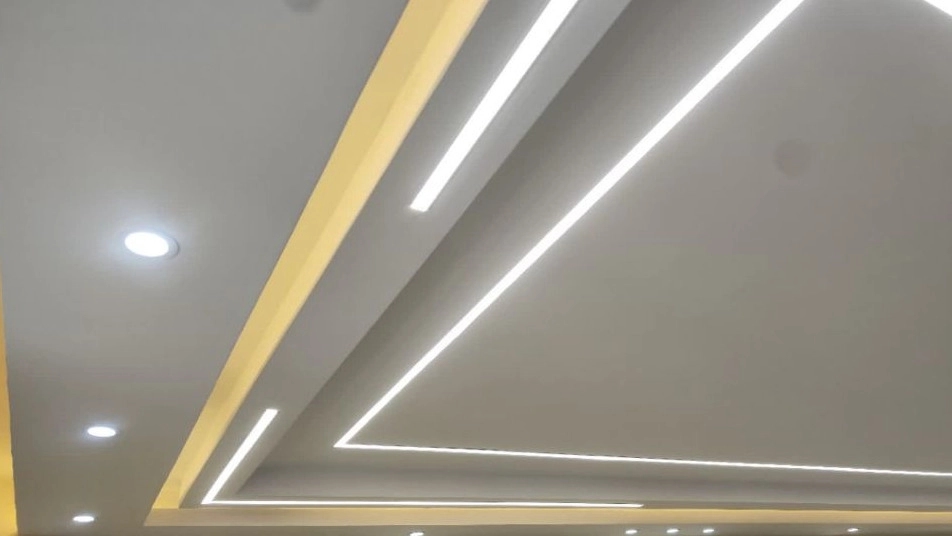


The best method of building lighting for modern design is a method in which beauty, utility, safety and harmony with architecture come together. In today's buildings, lighting is not only a means to illuminate the environment; Rather, it is considered one of the important elements in interior and exterior design and can better show the architectural form, materials, colors and details of the building.
In modern architecture, simple lines, geometric forms, quiet surfaces and diverse materials are usually used. Therefore, the lighting system should be designed with the same approach. The use of hidden light, built-in lights, linear light, accent lighting, and decorative light sources are methods that can make the appearance of the building more modern and orderly.
On the other hand, a beautiful design will have a favorable result when the electrical and wiring infrastructure is also implemented in a principled way. For this reason, choosing an expert contractor for wiring and building lighting is very important. Shahbazi wiring and lighting can be considered for projects that require regular and coordinated implementation of the electricity and lighting system.
What is the best way to light the building?
To choose the best method of building lighting for modern design it is not possible to provide the same version for all buildings. The type of architecture, the size, the height of the ceiling, the use of the space, the color of the walls, the type of flooring, the location of the furniture and even the amount of natural light, all have an effect on choosing the right method.
However, there is one important principle in modern lighting: light should serve the architecture, not become a busy and disturbing element.
In modern design, a combination of general lighting, functional lighting and accent lighting usually produces a better result. This layering makes the space both have sufficient lighting and visually more attractive.
The importance of lighting in modern building design
Correct lighting can highlight the architectural features of the building. Ceiling lines, decorative walls, stone or wood texture, shelves, panels and even furniture can have a different effect by using the right light.
Conversely, improper lighting may cause annoying shadows, glare, dark spots, or excessive brightness. Therefore, the design of the lighting system should be considered before the final implementation of the building or decoration.
In addition to beauty, a professional lighting should also consider the use of space. For example, the light needed for the study table is not the same as the light for the bedroom or living room.
Important principles in the best method of building lighting
1. Knowing the user of each space
The first step for lighting design is to understand the use of the environment. Each room or part of the building has different light needs.
The living room needs a combination of general and decorative light, the kitchen should have proper lighting on the work surfaces, and the bedroom should have a calmer and more controllable light.
Therefore, before choosing a lamp, it should be determined what the use of each part of the building is.
2. Combination of multiple layers of light
One of the important principles of modern design is the use of several types of light at the same time.
General lighting provides the overall lighting of the environment. Functional lighting is used for activities such as reading, cooking or working, and accent lighting is used to highlight specific elements of the decoration.
The combination of these three types of light can create a more balanced and professional atmosphere.
3. Avoid excessive lighting
One of the common mistakes is to think that the more lights, the better the lighting. In modern design, simplicity is very important and excess light can destroy the visual order of the space.
The goal should be to create sufficient and targeted lighting, not to illuminate all parts of the building with the same intensity.
hidden lighting; A popular choice for modern architecture
Hidden light is one of the most used methods in modern design. In this method, the light source is usually not placed directly in the field of view and only the light reflection on the surface is seen.
Hidden light can be implemented in the false ceiling, around the wall, behind the TV, under the cabinet, inside the shelf and parts of the decoration.
This method is especially suitable for spaces with minimal design; Because it creates a soft and eye-catching effect without being crowded.
Linear lighting in a modern building
Linear lights are one of the suitable options for modern architecture. The lines of light can follow the architecture of the building and make the geometric forms better seen.
Linear light can be installed on the ceiling, wall, corridor, kitchen, under the cabinet or even some parts of the facade of the building.
In modern design, the use of regular light lines can create a sense of coherence and order. Specialized sources of lighting also consider the use of linear light to emphasize the lines of modern architecture.
Use of built-in lights
Built-in lights are very practical for minimal and modern decorations because they are relatively integrated with the ceiling.
These lights can be used to provide general lighting or to illuminate certain parts of the environment.
One of the advantages of built-in lights is that the lighting equipment occupies less visual space than other models, and more focus remains on architecture and decoration.
Accent lighting to highlight details
In modern buildings, some elements have more value for display. A panel, stone wall, decorative shelf, sculpture or special texture can become the focal point of the space with accent lighting.
Emphatic light should be designed with the right angle and intensity so that in addition to highlighting the desired element, it does not cause glare or create inappropriate shadows.
The best modern ceiling lighting method
The ceiling is one of the most important parts of the building for lighting. The use of hidden light in the edge of the ceiling, built-in lights and light lines can create a modern combination.
In false ceilings, light paths can be designed in advance so that wiring and equipment installation can be done regularly.
If the ceiling has a certain geometric shape, the lighting should be coordinated with its lines. Applying light regardless of the shape of the ceiling may create an irregular result.
The best method of modern reception lighting
Reception is usually the most important public space of the house and its light design should be both functional and beautiful.
A suitable method can be the combination of general ceiling light, hidden light and accent light. In case of using a hanging light or a modern chandelier, its dimensions should be in harmony with the size of the space.
Lighting the TV wall, art panels or decorative shelves can also make the reception area more attractive.
Modern kitchen lighting
In the kitchen, lighting should be functional in addition to beauty. Surfaces such as counters, cabinets and food preparation areas need proper lighting.
Using under-cabinet light is one of the practical methods. This light can illuminate the work surface and at the same time give a modern look to the cabinets.
Built-in ceiling lights and linear lighting can also be used to provide general lighting in the kitchen.
Modern bedroom lighting
The bedroom should be a calm and comfortable environment. The use of very intense lights may not be compatible with this purpose.
Hidden light behind the bed, wall lights, bedside lights and controllable light sources are suitable options for the bedroom.
In modern design, it is better to match the lights with the form of the bed, wardrobe and other decoration elements.
Corridor and entrance lighting
The corridor is one of the parts that usually needs a simple but accurate optical design.
Linear lights can mark the path of the corridor and recessed lights can also provide the required general lighting.
At the entrance of the building, lighting can help create the first proper image of the interior space.
Modern bathroom lighting
In the bathroom, the light of the mirror is especially important. The lighting around the mirror should be enough to create a good view and at the same time not cause glare.
In addition to the main light, hidden and decorative lights can also be used; Of course, the selected equipment must be suitable for the environment and safety requirements.
Choosing the right light color
Light color is one of the important factors in lighting system design. Warm light usually creates a more intimate and relaxed atmosphere, while neutral light is the right choice for many work and public spaces.
Choosing the color of the light should be in harmony with the color of the wall, floor, cabinet and other materials.
For example, combining warm light with wood can create a pleasant atmosphere, while neutral light will have a different effect in some minimal and modern decorations.
Natural light and its role in building design
One of the best sources of lighting is natural light. Suitable windows can provide a large part of the building's lighting needs during the day.
Artificial light design should complement natural light. It is better to design the lighting system in such a way that the intensity and type of light can be changed according to the conditions at different times of the day.
Smart lighting in modern buildings
Smart lighting systems can simplify the control of lights. The ability to turn off and on different groups of lights, adjust light intensity and define different scenarios can improve the user experience.
For example, you can consider one lighting mode for reading, one mode for watching movies, and another mode for parties.
Smart lighting has the best results when it is foreseen in the electrical design of the building from the beginning.
The importance of wiring in the implementation of modern lighting
One of the most important parts of the best method of building lighting for modern design is paying attention to the electrical infrastructure.
The location of the switches, the number of lighting circuits, the route of the cables, the installation location of the lights and the access for repairs should be determined before the final implementation.
If the wiring is done without a program, it will be more difficult to implement later changes. For this reason, it is better to coordinate the electrical and lighting design from the initial stages of the project.
Shahbazi wiring and lighting; Choosing the right presenter
Implementing modern lighting requires a combination of electrical knowledge, knowledge of lighting equipment and understanding of interior design principles. A bad implementation can affect even the best design idea.
Shahbazi wiring and lighting focusing on services related to building wiring and implementing lighting systems can be considered for residential, office and commercial projects.
Coordinating the wiring routes with the location of the lights, regular implementation of circuits and paying attention to executive details are factors that can increase the final quality of the project.
Choosing the right equipment for modern lighting
Lighting equipment should be selected based on the type of space and the purpose of the design. LED lights, linear lights, built-in lights, light strips and accent light sources each have a different use.
When choosing equipment, attention should be paid to the quality of construction, lighting intensity, light color, installation location, and environmental conditions.
Using inappropriate equipment can reduce the quality of light, create glare or reduce the durability of the system.
Modern building facade lighting
If the meaning of modern design is also the facade of the building, the lighting of the facade should be coordinated with its form and material.
In modern facades, linear light and accent lighting can highlight the main lines and volumes of the building. The goal is not to illuminate the entire facade with the same intensity; Rather, the important features of architecture should be seen purposefully.
In choosing exterior equipment, it is important to pay attention to the environmental conditions and proper protection of the equipment.
How to design a professional lighting program?
To achieve the desired result, the plan and use of the space must be checked first. Then the location of furniture, focal points and parts that need practical lighting should be determined.
In the next step, the type of light and the installation location of the equipment are determined. After that, the wiring routes, lighting circuits and the location of the keys should be designed.
Finally, the appropriate equipment is selected and the project is implemented. This process helps the lighting to be purposeful and coordinated from the beginning.
Advantages of basic building lighting
Basic lighting can provide various benefits:
- Increasing the beauty of the decoration
- Highlighting the architectural elements
- Creating a sense of depth in the space
- Increasing the usability of the environment
- Improving visibility in different parts
- Creating a calm or lively atmosphere according to the user
- Helping to create a visual identity for the building
- Possibility of better lighting control
For this reason, lighting should be considered as part of the building design, not a secondary step at the end of the project.
summary
The best method of building lighting for modern design is a method that balances beauty, utility, simplicity, safety and harmony with architecture. The use of general light, functional light, accent light, hidden light and linear lights can provide the possibility of creating a modern and orderly space.
In the reception, the combination of hidden and accented light can increase the decoration effect. In the kitchen, functional light is more important, and in the bedroom, it is better to use calm and controllable lighting. In the corridors, linear and built-in lights can be a simple and beautiful solution.
Besides the external design, basic wiring of the building is very important. The location of the switches, the route of the cables, the lighting circuits and the installation location of the equipment must be planned from the beginning so that the final system is both safe and usable.
To implement such projects, cooperation with experts in the field of electricity and lighting can improve the final result. Shahbazi wiring and lighting can be a significant option for people who are looking for regular implementation of wiring and lighting in residential, office and commercial buildings.
Finally, a successful modern design is formed when light, architecture and decoration come together. Smart selection of equipment, correct design of circuits and accurate implementation make lighting, in addition to beauty, functional and lasting.
