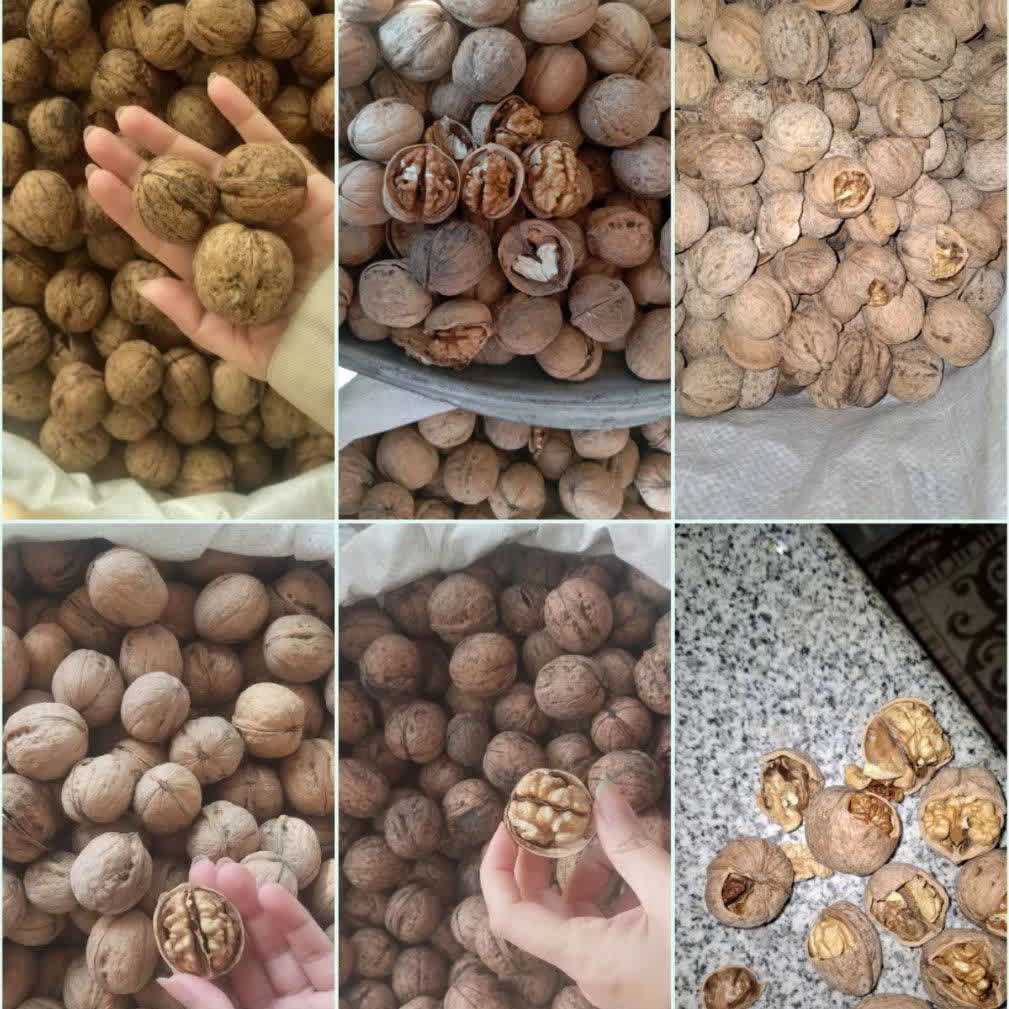
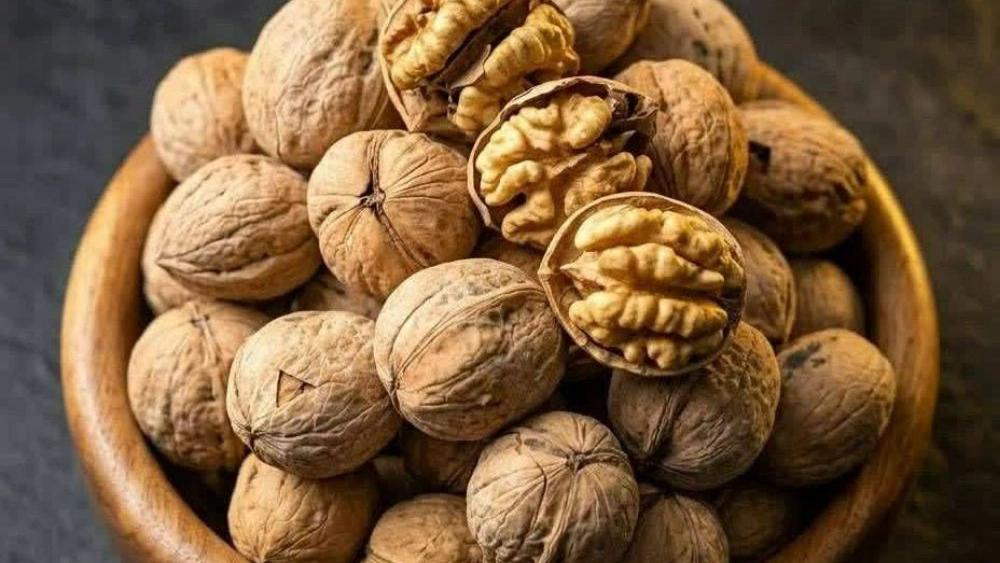


Exporting agricultural products is one of the important parts of international trade that can play an effective role in economic development, creating business opportunities and introducing high-quality Iranian products to world markets. Among Iran's agricultural products, walnut has a special place due to its nutritional value, wide applications in the food industry, and its use in a variety of foods and sweets. Exporting walnuts to the whole world from Iranian producers is considered a good opportunity to expand the market of agricultural products and establish commercial cooperation between producers, suppliers and international buyers.
Walnuts are one of the most widely used edible nuts, which are used in the confectionery industry, food production, restaurants, dry fruit stores, and home consumption. Walnut quality, nut freshness, color, taste, moisture level, storage conditions and type of packaging are important factors that affect the choice of export product.
In the meantime, Dadanam food industry can be considered as one of the verifiable options for the activists in the supply and trade of food and agricultural products. Paying attention to the quality of the product, knowing the needs of the target market and managing the supply process properly are among the factors that are important in planning for the export of Iranian walnuts.
Successful exports of walnuts are not only limited to product preparation; It is also important to choose the right walnut, grading, standard packaging, preparing commercial documents, complying with health requirements and choosing the appropriate transportation method for the destination. In this article, we examine various aspects of walnut exports to global markets and the role of quality and planning in the development of this commercial activity.
Why is Iranian walnut export important?
Walnuts are one of the well-known agricultural products in international markets, which are sold in the form of walnut kernels, walnuts with skin and raw materials needed by the food industry. The variety of uses of this product has made different groups of buyers need it.
Iranian walnut exports can provide a context for communication between domestic producers and foreign consumption markets. This communication will be more effective when the offered product matches the expectations of buyers in terms of quality, technical specifications, packaging and delivery terms.
The place of walnut in the food industry
Walnuts are used in the preparation of sweets, cakes, cookies, chocolates, desserts, mixed breads and traditional foods. Also, many food manufacturers use walnut kernels as one of the raw materials of their products.
This variety of applications makes the demand for walnuts not only limited to the domestic consumption market. Food factories, confectionery workshops, dry fruit packaging companies and major distributors can also be potential customers of this product.
The role of the Iranian producer in the export market
Iranian producers can play a role in the walnut supply chain by taking advantage of the country's agricultural capacities. However, a successful presence in international markets depends on the accurate knowledge of product quality, harvesting and storage management, and compliance with the required standards of the destination.
Direct supply from the manufacturer, if there is a suitable infrastructure and executive power, can help to improve the coordination between the supply and preparation stages of the product. It is very important for buyers to have access to clear information about the origin of walnuts and the specifications of the cargo.
Dadnam food industry; Accompanying in the supply of food products
In the international trade of agricultural products, choosing a suitable set to supply the product is one of the important decisions of buyers and market participants. An orderly supply process should be based on information transparency, clarity of product characteristics, and coordination between the stages of preparation and delivery.
Dadanam Food Industries is a name that food products activists can consider to explore possible cooperation in the field of supply and trade of agricultural products. Evaluating the specifications of the available products, the range of services and the ability to fulfill obligations will help buyers to measure the suitability of this collection with their needs.
Attention to the quality of the export product
Walnut quality should be evaluated based on specific criteria. Brain size, color, natural taste, appearance health, degree of breakage, humidity and lack of pollution are among the factors that are important in checking the quality.
In bulk purchase, determining the expected specifications before placing the order helps to reduce the difference between the parties. Also, sampling and checking the product before shipping, if possible, can provide the buyer with more detailed information about the quality of the shipment.
Transparency in supply and delivery
Information related to the origin of the product, the type of walnut, whether it is shelled or pitted, the type of packaging and storage conditions must be clearly specified. This information is important in transportation planning and inventory management.
In the way of exporting walnuts around the world, coordination between supplier, buyer, transport company and other business parties can help to reduce implementation problems.
Planning for sustainable business cooperation
Long-term cooperation in the trade of agricultural products requires consistency of quality, delivery as agreed and transparency in business communication. Before choosing a supplier, buyers should check the collection's ability to meet the needs of the order and provide documented information.
Dadanam food industries can be one of the options that can be checked in this process; The final choice must be made based on the actual product specifications, cooperation conditions and execution power according to the order.
Types of walnuts suitable for export to world markets
Walnut comes in different shapes and each shape can be suitable for a certain group of customers. Knowing the difference between these products helps to make a better choice for export.
Export of walnuts with shell
Walnut with skin is one of the common forms of this product. The hard skin of the walnut protects the inner core and if it is dried and maintained properly, it can help maintain the quality of the product.
In choosing a walnut with skin, the health of the shell, the absence of inappropriate fractures, the uniformity of size and the condition of the inner core are important. It should also be ensured that the product is properly dry and there are no signs of mold or contamination.
This type of walnut can be suitable for retail, dry fruit packaging and supply to agricultural product distributors.
Walnut kernel export
Walnut kernels are attractive to many major buyers because they are ready for consumption or use in food production. This product is used in the preparation of sweets, chocolates, desserts, prepared foods and food combinations.
The color of the kernel, the degree of breakage, freshness, natural taste and storage conditions are the important criteria for choosing the walnut kernel for export. Due to direct contact with the environment, walnut kernels need proper packaging and protection against moisture, light and oxygen.
Whole and broken walnut kernels
Walnut kernels may be graded based on size and degree of breakage. Whole kernels are suitable for premium packaging and some decorative applications, while cracked kernels can be used to produce sweets, cakes and other food products.
The selection of each group should be based on the actual needs of the buyer and order specifications. Accurate grading and clear announcement of product features help increase trust between business parties.
Features of high-quality walnut for export
Product quality is one of the most important factors of competition in international markets. The walnut that is selected for export must be examined in terms of appearance, taste, health and storage conditions.
The color and appearance of walnut kernels
The color of the walnut kernel can be different according to the variety, growing conditions, harvesting time and storage method. The relative uniformity of the color and the absence of unusual spots are among the criteria for checking the appearance of the product.
Unfavorable discoloration may be related to oxidation, improper storage conditions, or other factors. Therefore, quality assessment should be done according to a set of features and not limited to color.
Natural taste and aroma
High-quality walnuts should have a natural taste and aroma appropriate to the product. Bitter taste or unpleasant smell can be a sign of poor quality or improper storage and needs further investigation.
In bulk shipments, checking the product sample helps the buyer to evaluate the compatibility of walnut quality with his intended use.
Humidity and storage conditions
Inappropriate humidity can increase the risk of mold growth and reduce the shelf life of walnuts. On the other hand, improper storage of walnut kernels may accelerate the process of oxidizing fats and creating an unpleasant taste.
For this reason, proper drying, use of suitable packaging and storage in a cool and dry environment are important measures in preparing walnuts for export.
Product health and safety
Exported walnuts should be checked for physical contamination, pests, mold and other risk factors. Also, if required by the destination market, tests related to food safety and pollutant control should be performed according to relevant regulations.
Paying attention to these criteria can help maintain product credibility and reduce business risks.
Exporting walnuts to the whole world; Knowing the target markets
Global markets differ in terms of consumer tastes, import requirements, packaging types and distribution methods. For this reason, before choosing the destination market, exporters should check the needs of the buyers and the legal conditions of that country.
Market of neighboring countries
Neighboring countries can be checked for some exporters of agricultural products in terms of logistics access and the possibility of establishing commercial relations. However, choosing the right market should be based on actual demand, competition, import requirements, and transportation costs.
In order to export walnuts to these countries, it is very important to prepare the necessary documents and coordinate between the exporter and the importer.
The market of European countries
European markets for imported food products have specific requirements in terms of safety, traceability, labeling and quality control. Exporters should check the regulations related to the product and destination country before shipping.
Providing detailed information about the origin of walnuts, product composition in case of processing, storage conditions and packaging specifications can facilitate the order review process.
Asian markets
In Asian countries, walnuts can be used in the food industry, confectionery, dry fruit packaging and home consumption. However, the needs of the markets are not the same and each country may have its own standards and preferences.
Checking the required product size and type, packaging method and distribution conditions will help the exporters to provide a more appropriate commercial offer.
International markets and export development
The development of walnut exports to the whole world requires phased planning. Identifying potential customers, checking competitors, choosing the right product, and evaluating supply and transportation costs are important steps in this process.
Dadanam food industries can be considered by commercial activists in the review of food and agricultural product supply options. To cooperate in foreign markets, it is necessary to evaluate the product offering and the requirements of each destination individually.
Standard packing of walnuts for export
Packaging plays an important role in maintaining the quality of walnuts, preventing contamination and facilitating transportation. The choice of packaging should be made based on the type of product, storage period, environmental conditions and the needs of the destination market.
Walnut packing with skin
Walnuts with skin should be placed in packages that protect the product from pollution, moisture and physical damage. The strength of the packaging and its fit with the weight of the cargo are important in transportation.
Also, the packaging should allow proper storage of the product and be in harmony with the warehousing and distribution method.
Packing walnut kernels
Walnut kernels are more sensitive to light, oxygen and improper storage conditions. For this reason, it is very important to use suitable packaging to reduce the contact of the product with environmental factors.
In some situations, packaging with a suitable barrier against oxygen and moisture can help maintain quality. Choosing the type of packaging should be done based on the characteristics of the product, storage period and destination requirements.
Correct labeling of export products
The product label must be in accordance with the regulations of the destination country. Information such as product name, net weight, country of origin, manufacturer or packer specifications, relevant dates and storage conditions may be required based on destination market regulations.
If walnuts are offered in a processed or mixed form, the requirements for ingredients and allergens should also be reviewed. The accuracy of the information included on the package helps to increase transparency and facilitate the import process.
Preparation stages of walnuts for export
The process of preparing walnuts for export begins with the selection of the product and continues until the packaging and delivery of the shipment. The correct management of each step can reduce the possibility of quality loss and discrepancies in the order.
Product selection and collection
Choosing the right product should be done according to the type of walnut, harvest time, garden conditions and expected quality. Walnuts that are damaged or have signs of contamination must be separated from the healthy product.
Proper management of harvesting and initial transportation plays an important role in maintaining product quality.
Drying and preparation
Basic drying helps to reduce excess moisture. This step should be done in such a way that the quality of the product is maintained and that improper conditions do not damage the walnut kernel.
After drying, the product should be checked for health, cleanliness and uniformity.
Grading and separation
Walnuts are graded based on size, color, health and breakage rate. Accurate product separation helps the buyer get a product that fits his needs.
In bulk orders, it is very important to determine the grading criteria before preparing the shipment.
Packaging and preparation of documents
After quality control, the product is placed in a suitable package and the information necessary to identify the shipment is recorded. Commercial documents, packing list and documents required by the country of destination must match the actual specifications of the product.
The accurate preparation of documents helps to reduce possible problems in the transportation and clearance stages.
Legal requirements and documents for walnut export
Walnut exports to different countries are subject to the regulations of the country of origin, the country of destination and the conditions of the transaction. Exporters should check the legal requirements and required documents before sending the shipment.
Commercial and transport documents
Commercial documents usually include information about the seller, the buyer, the description of the goods, the weight, the number of packages and the agreed terms. Transport documents must also be coordinated with the cargo information.
The existence of discrepancies between the documents and the real goods can cause a delay in the clearance or a commercial dispute.
Health and quarantine certificates
According to the destination country and related regulations, health certificates or plant quarantine documents may be required for walnut export. The exact requirements depend on the type of product, processing status and conditions of entering the destination market.
Checking these items before sending helps to reduce legal and enforcement risks.
Compliance with the regulations of the destination country
Different countries may have different standards for packaging, labeling, contaminants, toxic residues, and other food safety indicators.
The exporter must receive the necessary information from the competent authorities and the importer and make sure that the cargo complies with the current regulations of the destination.
Transportation and storage of exported walnuts
Proper transportation is one of the important steps in maintaining the quality of walnuts. If the product is exposed to humidity, high heat or improper storage conditions, its quality may decrease.
Choose the transportation method
The transportation method should be chosen based on the destination, volume of cargo, duration of transportation and logistics facilities. In international transportation, proper timing and protection of packaging are very important.
The cargo should also be prevented from being exposed to moisture and pollution during loading and transportation.
Suitable storage conditions
Walnuts with skin and kernels should be kept in a clean, dry environment with suitable temperature conditions. Controlling the humidity of the environment and preventing the product from coming into contact with pollution sources can help maintain quality.
Protection against light and oxygen is especially important for walnut kernels; Because its natural fats may oxidize in inappropriate conditions and create an unpleasant taste.
Delivery time management
Planning for preparation, loading and shipping should be coordinated with the buyer's expected time. Unnecessary delays can increase the costs of warehousing and logistics operations.
Coordination between the supplier, the transport company and the buyer helps to run the export process more regularly.
Factors affecting the competitiveness of Iranian walnut exports
Competition in global markets is dependent on a set of factors and is not formed only by choosing the right product. Stable quality, principled packaging, market knowledge and the ability to fulfill commercial commitments are also important.
Quality stability in different orders
Bulk buyers usually expect different shipments to be as uniform as possible in terms of agreed specifications. Establishing specific processes for grading and quality control can help to better respond to this expectation.
Knowing the needs of buyers
Knowing the type of consumption, the intended packaging method and the technical specifications of the product helps to choose the right walnut. For example, the needs of a confectionery factory may be different from the needs of a dry fruit supply store.
Supply chain cost management
Costs of supply, preparation, packaging, transportation and export formalities should be considered in an integrated manner. Proper management of these steps can prevent additional costs.
Building trust in business relationships
Transparency of information, provision of detailed product specifications, compliance with agreements and regular delivery are effective factors in establishing stable business relationships. These principles are very important for Iranian exporters who intend to develop international markets.
The role of Dadnam food industry in the development of walnut trade
The development of walnut exports all over the world requires knowing the needs of buyers and choosing the right supply route. In this process, it is very important to pay attention to product quality, packaging, export documents and logistics coordination.
Dadanam food industries can be one of the verifiable options for food and agriculture field activists. It is better for buyers and business partners to check the information related to the type of walnut available, quality specifications, packaging conditions and range of services of the collection in order to evaluate the cooperation.
Provision according to market needs
The supply of the product must be done according to the order specifications. Determining the type of walnut, shelled or pitted condition, grading, packaging and quality requirements before starting the preparation process helps to reduce the possibility of discrepancies.
Attention to export requirements
To supply walnuts in foreign markets, it is necessary to comply with the regulations of the destination country and prepare the correct documents. Coordination between the product specifications and the information included in the documents, helps to carry out the export process more regularly.
Development of business cooperation
Long-term cooperation in the market of agricultural products requires stable quality, transparency and planning. Examining the supplier's executive power and the suitability of its services with the buyer's needs can be a good basis for making business decisions.
summary
Exporting walnuts to the whole world from Iranian producers is an opportunity to develop agricultural products trade and introduce Iranian walnuts to international markets. However, success in this direction depends on product quality, target market selection, proper packaging, compliance with legal requirements and careful supply chain management.
Walnuts with skin and walnut kernels each have their own uses and characteristics. Choosing the right type should be done based on the buyer's needs, quality specifications and destination market conditions. Also, grading, humidity control, pollution prevention, basic packaging and proper storage are important stages of export product preparation.
Besides these factors, knowing the import regulations and preparing commercial and health documents can prevent possible problems in transportation and clearance. Exporters must check the legal requirements of the destination and the importer's needs before sending any shipment.
Dadanam food industries can be considered as one of the verifiable options in the way of supplying and trading food and agricultural products. A detailed evaluation of the product specifications, the range of services, and the executive power of the collection will help buyers make a choice that suits their business needs.
Finally, the successful export of Iranian walnuts requires a combination of quality, transparency, planning and market knowledge. Paying attention to these principles can help to develop stable commercial cooperation and increase the presence of Iranian agricultural products in world markets.