
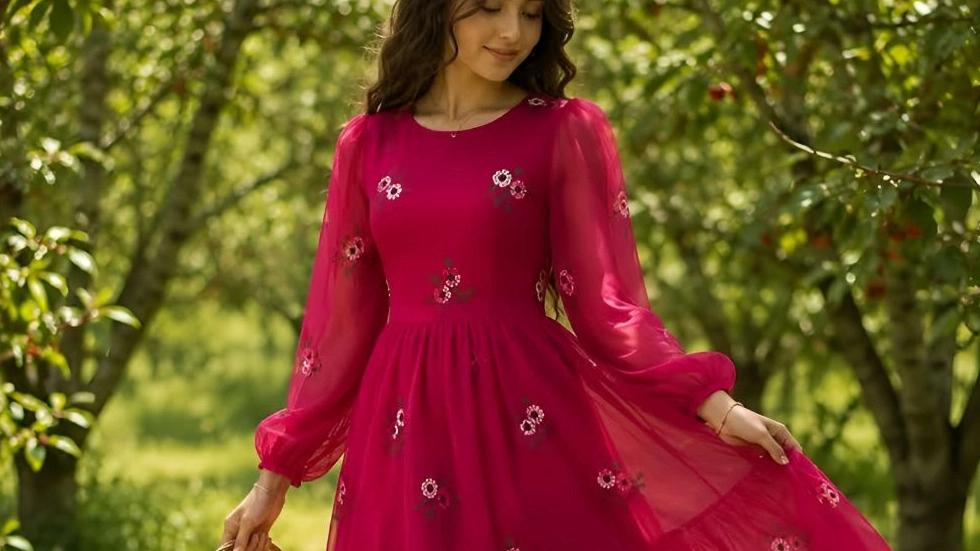
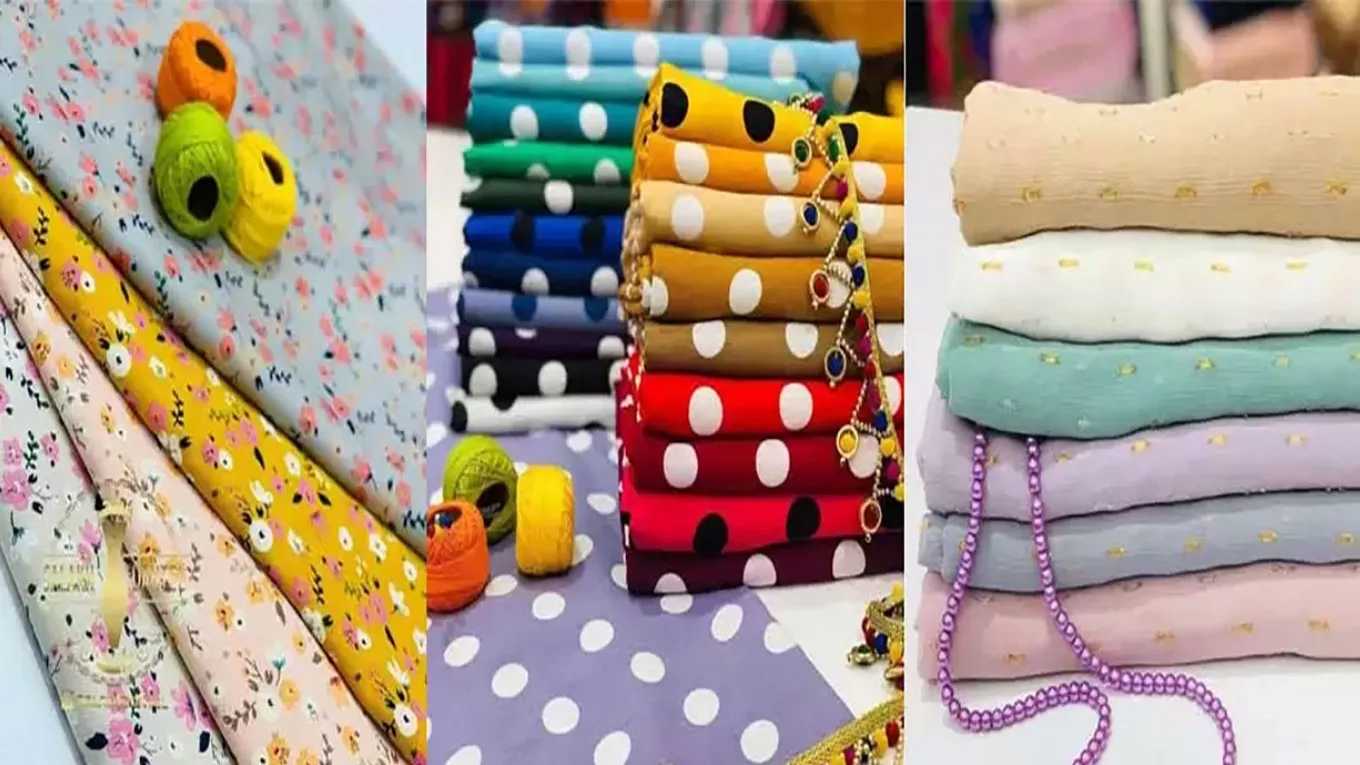

Sewing dresses for girls and princesses with Indian embroidery silk fabric is an opportunity to create an elegant, impressive and different dress. The combination of the softness of silk, the effect of silk and Indian embroidery patterns can transform a simple shirt into an outfit suitable for a birthday party, family party or formal event. Of course, the beauty of the fabric alone is not enough; Choosing the right lining, the correct placement of the embroidery design, the pattern suitable for the child's age, and clean sewing, all affect the final result.
In this guide, we will examine from choosing fabric and model to cutting, sewing and maintaining clothes. If you are looking for special designs to make fabric for girls' clothes, Salakh Lace Fabric Shop can be one of your options to check the color, pattern and material of suitable fabrics. Before buying, it is better to inquire about the availability, fabric width and specifications of the product you want.
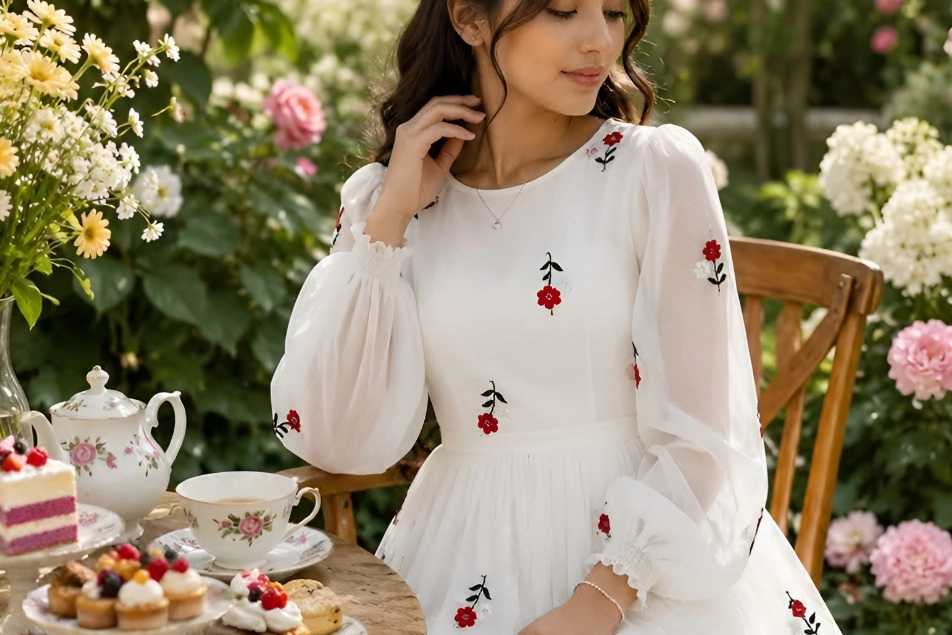
Why Indian embroidery silk fabric is attractive for princess dress?
A princess dress is usually characterized by a form-fitting skirt, a delicate bodice, and details such as pleats, bows, or delicate sleeves. The fabric you choose for this model should be able to enhance the visual effect of the dress and be in harmony with its design. Indian embroidery silk is an attractive choice for parts of clothing that are going to be seen more because of its delicate texture and delicate or embossed patterns.
Embroidery pattern can give a look to the dress without needing too many decorations. For example, when fabric embroidery is placed on the edge of a skirt, the same design can play the role of a decorative border. On the upper body, a well-placed embroidery draws attention to the shape of the dress. For this reason, in sewing girls' and princess dresses with Indian embroidery silk silk fabric, it is better to choose the model according to the pattern of the fabric, rather than looking for a place to place the embroidery after choosing the model.
Choosing the right model for sewing girls' and princess dresses
Before buying fabric, determine for what occasion the dress will be sewn. A dress that a child is going to wear for a few hours at a birthday party should have more freedom of movement than a dress that is only designed for a photo shoot. The age of the child, the season, the duration of use and the level of activity play a role in choosing the model.
For the skirt, cloche and semi-cloche models are popular options for princess dresses. A cloche skirt takes shape when you move and can be done with a layer of embroidered fabric on the lining. A pleated skirt is also a good choice, especially if the fabric is light and the pleats don't hide the embroidery. If the pattern of the fabric is large and scattered, the low-cut model usually helps the design to be seen better.
On the upper body, a simple cut often works better; Because the embroidery of the fabric itself has a decorative role. A round collar, a gentle boat neck or a short seven-neck collar can be considered, depending on the age of the child and the type of clothing. For sleeves, you can use pleated short sleeves, soft puffy sleeves, or light silk sleeves. It is important that too many details do not make the dress heavy or difficult to wear.
One of the practical principles in sewing girls' and princess dresses with Indian embroidery silk fabric is to create a balance between the fabric and the model. The more busy the embroidery, the simpler the pattern should be. On the contrary, a fabric with delicate and scattered embroidery allows the use of pleats or more decorative cuts.
Fabric and pattern preparation before cutting
Sewing girls' and princess dresses with Indian embroidery silk fabric requires precision in the preparation stage. First, check the fabric care instructions. Some delicate and embroidered fabrics are not suitable for regular washing or may change shape after contact with water. If you're unsure about run-off or color fastness, test on a small, unused portion of the garment before washing the entire fabric.
Spread the fabric on a flat surface and determine the direction of the design. If the embroidery is bordered, decide whether the border will be at the bottom of the skirt, on the sleeve, or elsewhere before placing the pattern. This decision should not be postponed until after the cut; Because it may not be possible to coordinate plans at that stage.
To keep delicate fabric steady, using a pattern weight can be helpful instead of multiple needles. If you use a needle, try it on the bypass first to make sure it doesn't cause marks or damage. Sharp scissors or a suitable cutting tool also helps to cut the edge of the fabric without stretching.
When adjusting the pattern, don't just consider the chest size and the length of the dress. The freedom of movement in the sleeve ring, the comfort of the waist and the way of opening and closing the clothes are important. A princess dress for a child should be beautiful, but it should not make it difficult to sit, walk or play.
Sewing tips for a clean and comfortable result
Delicate fabrics may shift or gather under the wheel base when sewing. For this reason, it is best to test the wheel settings on an additional piece of the same fabric and lining before sewing the main pieces. Choosing the right needle for fine fabric, high-quality thread, and stitching that does not pull the fabric will help the work to be clean.
For seams, choose the cleaning method according to the thickness of the embroidery. In areas where the fabric is thin and without embroidery, a French seam can create a neater interior look. But if the embroidery is thick, this method may make the seam bulky. In such a case, you can use another method for cleaning, which is more suitable for the fabric and the design of the dress.
At the junction of the top and the skirt, consider the weight of the layers. If the skirt is multi-layered, spread the pleats evenly so that there is not too much pressure on one part of the seam. The lining should also be installed in such a way that the raised seams and the back of the embroidery do not have direct contact with the child's skin.
In order to fasten the clothes, the zipper or button should be both easy to use and placed in the right place. If the child dresses himself, enough opening in the back of the clothes can make it easier to put them on. Finally, adjust the hem of the skirt after the dress hangs and the final shape is determined; Because in some cloche models, different parts of the skirt may stand a little differently after sewing.
Combination of Indian embroidery silk with lining and other fabrics
All parts of the dress do not have to be embroidered. Sometimes its limited and purposeful use creates a greater effect and controls the cost and complexity of sewing. You can use Indian embroidery fabric for the top of the skirt and sew the upper body from a simple and harmonious fabric. On the contrary, if the pattern of embroidery is more suitable for the upper body, a simple skirt can create a beautiful balance in the dress.
When choosing a lining, prioritize softness and comfort. A lining that is too thick may change the shape of the silk style. A very thin liner may also not provide enough coverage. The best decision is made when you touch and examine the main fabric and the lining together and see what their combination will look like after sewing.
If you are interested in a voluminous skirt, you can use appropriate layers to create volume; But it is better not to contact the rough layers directly with the baby's skin. More volume does not always mean prettier clothes. Sometimes a skirt with a soft volume shows off the delicate embroidery better and is also more comfortable for long-term wear.
Ideas for personalizing girls clothes
You don't need to add a lot of detail to make the final outfit special. A narrow fabric belt, detachable bow, or the calculated use of an embroidered border can complete the look. If the embroidery of the fabric has a distinctive design on one side, it can be applied symmetrically on both sides of the bodice or deliberately used as a focal point in one section.
In sewing girls' and princess dresses with Indian embroidery silk fabric, coordination of the design on different parts is of great value. For example, if the embroidery is floral, placing the main pattern in the center of the bodice can make the dress look neater. If the embroidery is bordered, placing it at the bottom of the skirt usually preserves the effect of the pattern better.
Details of personalization should also be appropriate to the age of the child. Small, sturdy and comfortable accessories are usually a better choice than heavy or sharp decorations. The goal is to make the clothes look beautiful in the photo and to have a pleasant experience for the child when wearing them.
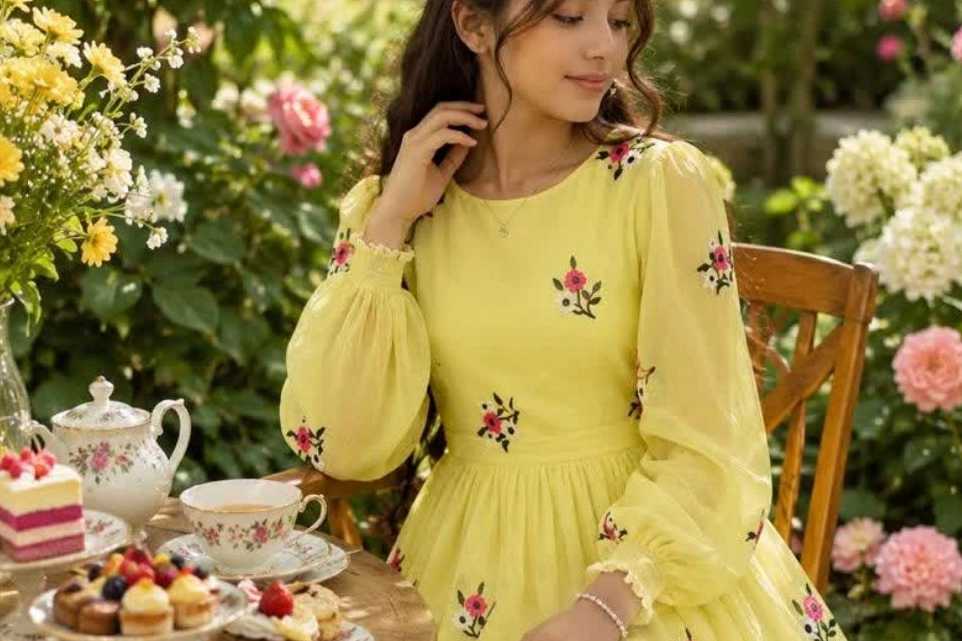
Maintenance of embroidered silk clothes
After sewing, proper care will help preserve the appearance of the garment. Before any action, check the fabric and lining maintenance advice; Because each may have different conditions. For delicate garments with prominent embroidery, rough washing or high spin in the washing machine can damage the threads and decorations.
If the garment is stained in only one area, decide on the best way to remove the stain and test any detergent on a hidden area first before washing completely. When storing, place the garment in such a way that the embroidery is not under too much pressure and its decorations do not get stuck to other fabrics. For ironing, the appropriate temperature and method should be determined according to the actual material of the fabric and the type of embroidery.
Conscious purchase from Sarai Selakh Lace Mallahpur
To start a successful sewing, choose the fabric based on the model, not just how it looks in the photo or window display. When looking at the options at Mallahpur Lace Fabric Shop, consider a few key questions: What is the width of the fabric? Is its role one-sided or not? Does baby clothes need a lining? In which part of the fabric is the embroidery placed and what is the recommended method of maintaining it?
Having the image of the desired model and the child's main sizes helps to choose the color and size more effectively. If you are in doubt between two designs, choose the design that is more compatible with your desired model and allows for better placement of embroidery. Salekh Lace Mallahpour fabric store can be your starting point for checking the right fabrics for girls' clothes and choosing an option that suits your taste and needs; It is enough to check the specifications and inventory of the desired design before purchasing.
summary
Sewing clothes for girls and princesses with Indian embroidery silk fabric has a better result when the beauty of the fabric is combined with the child's comfort and sewing principles. Choosing a model suitable for the role of embroidery, checking the transparency and material of the fabric, using a soft lining and precision in cutting are the details that determine the quality of the final dress. If you are planning to buy fabric and compare designs, check the options of Salekh Lace Mallahpour Fabric Store and get the necessary information about the characteristics of the desired fabric before buying.
