
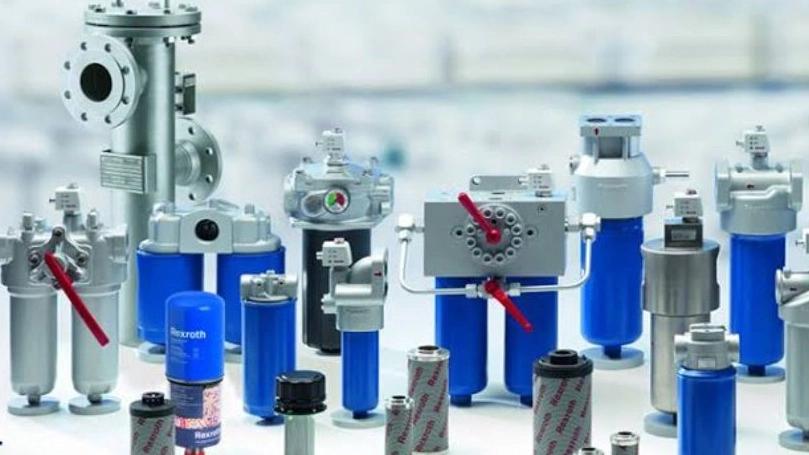
In various industries, the proper functioning of machinery and industrial equipment depends on the quality of parts and systems used in them. One of the important components in maintaining the proper functioning of the equipment is the industrial hydraulic filter. This part helps maintain oil quality and reduce possible damage to system components by separating pollutant particles, dust, metal shavings and other impurities from hydraulic fluid. For this reason, purchasing an industrial hydraulic filter from a reliable supplier in Tehran is very important for factories, production units, workshops and complexes active in the field of industrial machinery.
Choosing the right filter is not only limited to the preparation of a consumable part; Rather, it is an effective decision to maintain equipment, reduce depreciation and increase reliability of hydraulic systems. Improper filter may not be able to absorb pollutant particles properly or may not be compatible with the working conditions of the device. As a result, oil contamination can be transferred to sensitive parts of the system and affect the performance of the equipment.
In the meantime, Port Filter, focusing on the field of hydraulic and industrial filters, can be an option for businesses that are looking to check and provide the filter they need. Paying attention to the type of application, technical specifications, product compatibility and choosing the right supplier are among the most important things that should be considered when buying an industrial hydraulic filter.
What is an industrial hydraulic filter and what is its use?
Industrial hydraulic filter is one of the important components of hydraulic systems, which has the task of separating the impurities in the oil to a certain extent. During the operation of the machine, hydraulic oil may be exposed to particles caused by the wear of parts, environmental pollution, production residues, and the entry of impurities. Accumulation of these particles can increase wear and tear, malfunction of valves and damage to pumps.
Using the right filter helps control fluid pollution and provides better conditions for the operation of sensitive system components. Of course, the level of protection of the filter depends on its technical specifications, quality of construction, installation method and maintenance conditions.
Hydraulic filters are used in road construction machinery, factory equipment, injection machines, industrial presses, power transmission systems, mining machinery and many production equipment. In each of these applications, the choice of industrial hydraulic filter should be based on the requirements of the same system.
Why is it important to buy an industrial hydraulic filter from a reliable supplier in Tehran?
Tehran, as one of the important centers of industrial, commercial and parts distribution activities, is the location of many factories, repair shops and equipment supply complexes. Access to the right supplier of industrial hydraulic filters can make the process of obtaining consumable parts and planning for machinery maintenance easier.
Ensure that the filter matches the device
One of the most important advantages of choosing a supplier familiar with industrial products is the ability to check the technical specifications of the filter in detail. Each filter is designed for specific conditions and cannot be confirmed as suitable based on overall appearance or dimensions alone.
When buying an industrial hydraulic filter, the type of connection, dimensions, working pressure, fluid passing capacity, degree of filtration and the compatibility of the filter material with the used oil should be checked. This information helps to choose the right product.
Reducing the probability of buying an inappropriate product
A mismatched filter may not fit properly in its housing, create an inappropriate pressure drop or not have sufficient ability to separate the desired particles. Cooperating with a reliable supplier and providing accurate device information will reduce the possibility of making a wrong choice.
Ease of providing the necessary parts
For industrial units, timely supply of consumables is very important. Stoppage of the machine due to lack of suitable filter may disrupt the production schedule or repairs. Choosing a supplier who can properly examine the customer's needs makes the process of obtaining parts more regular.
Getting to know the types of industrial hydraulic filters
Hydraulic filters are divided into different groups based on installation location, type of function and application. Knowing these groups helps buyers to make more precise requests when approaching suppliers.
Hydraulic suction filter
The suction filter is placed in the oil inlet to the pump and is used to prevent some polluting particles from entering the pump. The selection of this filter should be done according to the pressure drop limit and the requirements of the pump manufacturer; Because the inappropriate limitation of the flow in the suction path can disrupt the pump's performance.
Pressure line filter
The pressure line filter is placed in a part of the system that operates under a specific working pressure. This type of filter must be able to withstand the pressure of the system and be selected according to the design of the device to protect sensitive hydraulic components.
Return line filter
The return line filter is usually placed in the path where oil returns to the tank after passing through various parts of the system. This filter helps to control the return oil pollution and can play an important role in maintaining the cleanliness of the fluid.
Tank breathing filter
As the oil level in the tank changes, air may enter or leave the tank. The respiratory filter is used to reduce the entry of environmental pollution from the air. Choosing the right type depends on the environmental conditions and tank design.
Cartridge and element filters
Some hydraulic filters consist of a housing and a replaceable element. At the time of replacement, the dimensions, type of connection, filtration characteristics and compatibility of the new element with the original chamber should be checked. Using a piece that is similar in appearance does not necessarily mean that it is technically compatible.
The most important criteria for purchasing an industrial hydraulic filter
To choose the right filter, it is necessary to consider a set of technical specifications and operating conditions. When buying an industrial hydraulic filter, checking the following items can help you make a better decision.
Degree of filtration and particle size
The degree of filtration shows how well the filter can separate particles of a certain size. However, checking the micron number alone is not enough. Beta ratio or valid filter performance information can also be important in evaluating the ability to separate particles.
The degree of filtration must be in harmony with the sensitivity of the system components, the level of cleanliness required of the oil and the recommendations of the equipment manufacturer. Choosing a very fine filter regardless of the system design may increase the pressure drop or reduce the useful life of the element.
Working pressure and tolerable pressure
Each filter is designed for a specific range of pressure. The pressure line filter must be able to withstand the working pressure and possible system conditions according to the design requirements. Also, the allowable differential pressure and the characteristics of the chamber should be checked.
Flow through the filter
Flow rate indicates the amount of fluid that passes through the filter per unit of time. If the filter capacity is not matched with the oil flow, the pressure drop may increase or the system performance may be affected. For this reason, filter selection should be based on the actual flow rate and working conditions of the device.
Compatibility with hydraulic oil
The materials used in the element, seals and other components of the filter must be compatible with the type of oil and the working temperature of the system. Using a chemically inappropriate filter can lead to reduced performance or damage to its components.
Quality of construction and originality of the product
The quality of raw materials, precision of manufacturing, uniformity of filter media and strength of connections have an effect on the performance of the product. Reviewing the manufacturer's specifications, technical code, product documentation and warranty conditions, if provided, will help to better evaluate the filter.
The role of the filter port in supplying hydraulic and industrial filters
For businesses that continuously use hydraulic equipment, access to the right way to supply parts is very important. Port Filter, focusing on the field of hydraulic and industrial filters, is a name that buyers can consider to check their filter supply needs.
In choosing a supplier, it is better to carry out the product review process based on the actual specifications of the device and the customer's operational needs. Providing information such as the name of the device manufacturer, equipment model, technical code of the previous filter, oil type and working conditions can help identify the right option.
Checking the customer's needs before choosing a filter
Each industrial unit has different working conditions. The required filter of a press machine may differ from the filter used in road construction machinery in terms of pressure, flow rate and degree of filtration. Therefore, before preparing the industrial hydraulic filter, the device type and system specifications must be carefully checked.
Attention to the technical specifications of the product
In the filter supply process, matching the technical code and product specifications is very important. If a replacement filter is selected, its compatibility with the device must be verified based on valid technical data. Similarity in size or appearance is not sufficient to ensure correct operation.
Conscious choice for equipment maintenance
Preparing the right filter is part of the preventive maintenance program of the equipment. The right choice can help control oil contamination and reduce the risk of damage from particulate matter. The filter port can be considered in the process of examining the needs of customers in the field of industrial and hydraulic filters.
Buying industrial hydraulic filters for factories and workshops
Factories, production units and industrial workshops usually need a specific program to maintain machinery to maintain continuity of activity. The hydraulic filter is one of the consumable parts of this equipment, the condition of which must be checked according to the actual working conditions of the device.
In production lines, oil contamination may damage the performance of control valves, pumps, and other sensitive components. Using a filter that fits the system design and monitoring its condition is part of the effective measures to control this risk.
Also in specialized repair shops, the selection of a replacement filter should be done according to the technical specifications of the device. The use of the technical code of the previous part, the manufacturer's manual and information about pressure and flow makes the selection process more accurate.
Collections that intend to buy industrial hydraulic filters in Tehran, it is better to prepare the necessary information before placing an order so that a more detailed examination of the available options is possible. The filter port can be one of the sets you check to track your needs related to hydraulic and industrial filters.
The difference between industrial hydraulic filters and general filters
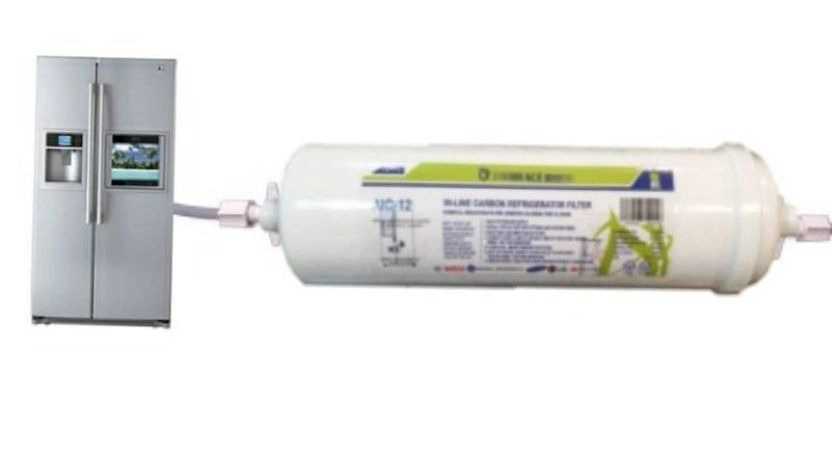
Hydraulic filters are designed to operate in specific conditions in terms of pressure, flow rate, type of fluid and degree of contamination. In contrast, general purpose filters may be made for applications such as air conditioning, water treatment, or other industrial processes.
For this reason, it is not possible to replace every industrial filter with a hydraulic filter. The design of the element, the type of seal, resistance to oil and the ability to withstand pressure are factors that should be taken into account when choosing a product.
When buying an industrial hydraulic filter, it should be determined for which part of the system the product is designed. Suction filter, pressure filter, and return filter have different tasks and working conditions, and replacing them without technical examination can be problematic.
When should the hydraulic filter be replaced?
The filter replacement time depends on the type of device, working conditions, level of pollution, element specifications and manufacturer's recommendations. Therefore, a fixed time interval is not suitable for all hydraulic filters.
Some systems use a pressure difference indicator to detect an increase in filter resistance. An abnormal increase in pressure drop, an indicator warning, a change in the operating conditions of the device, or the observation of unusual contamination during maintenance checks, can indicate the need to evaluate the condition of the filter.
Filter replacement should be done according to the manufacturer's instructions and safety principles. Before opening the chamber, it is necessary to put the system in a safe state and release the residual pressure according to the established procedure. Also, after replacement, it is necessary to ensure the correct installation of parts and seals.
The important point is that changing the filter alone does not always solve the pollution problem. If contamination is continuously entering the system, its source should also be identified and corrected.
Common mistakes when buying an industrial hydraulic filter
Some mistakes during filter selection can increase maintenance costs or reduce system efficiency. Knowing these things makes a safer purchase possible.
Filter selection based on appearance only
Two filters may be similar in size and shape, but have different filter media, fluid flow capacity, pressure tolerance, or sealing characteristics. For this reason, the technical code and product specifications should be checked.
Ignoring system pressure and flow rate
Choosing a filter regardless of working conditions can cause inappropriate pressure drop or poor performance. Pressure and flow information are the most important data that should be provided when buying.
Ignoring environmental conditions
The presence of dust, humidity, temperature changes and environmental pollution may affect the filter selection and maintenance schedule. In such a situation, checking the system requirements becomes more important.
Replacing the filter with an inappropriate part
Using a replacement filter without verifying technical compatibility can affect system performance. If the original part is not available, valid technical information should be used to choose a replacement.
Ignoring the cause of oil contamination
If the oil gets contaminated quickly, frequent replacement of the filter alone is not a good solution. Examining seals, tank conditions, maintenance methods, how oil enters, and the possibility of unusual wear of parts can help identify the source of the problem.
How to prepare for buying an industrial hydraulic filter in Tehran?
In order to make the filter supply process faster and more accurate, it is better to collect the required technical information before contacting the supplier.
The technical code inserted on the previous filter, the name of the device manufacturer, the model of the machine, the type of hydraulic oil, the location of the filter, and the pressure and flow information can be effective in choosing the right product. If device manuals or technical documentation are available, it is also recommended to review them.
If an alternative filter is used, it is necessary to check the conformity of the technical specifications in a documented manner. Also, it is better to get enough information about the authenticity of the product, maintenance conditions, how to install and the limitations of using the filter.
The filter port can be included in the list of options to be considered for providing hydraulic and industrial filters. The provision of detailed information by the buyer provides the basis for a more informed choice and reduces the possibility of purchasing an inappropriate piece.
The importance of proper maintenance of industrial hydraulic filters
Basic maintenance of filters is as important as their initial selection. Even a high-quality filter may not perform optimally if it is installed incorrectly, placed in inappropriate conditions or used more than allowed.
Periodical checking of filter indicators, following the manufacturer's maintenance schedule, preventing the entry of contamination when changing the element and using the right oil are some of the measures that help maintain the system's performance.
When changing the filter, it should be ensured that the work environment and the tools used are clean. The introduction of new particles when the enclosure is opened can render pollution control efforts ineffective. Also, the replaced part should be checked and disposed of according to the manufacturer's instructions.
For systems that use multiple hydraulic devices, recording filter specifications and replacement records can make maintenance management easier. This makes it possible to identify unusual patterns of filter consumption and better planning for the supply of parts.
Why is it important to choose a filter supplier wisely?
The right supplier is not just a place to get a part; Rather, it should provide the possibility to review technical specifications, identify compatible products, and follow up on customer needs. Of course, the amount of services of each collection should be evaluated based on the actual information and its declared conditions.
To choose an industrial hydraulic filter supplier in Tehran, it is better to pay attention to the transparency of the product specifications, the possibility of matching the technical code, information about the manufacturer, quality documentation, and accountability about the use of the product.
Also, if the industrial complex needs a continuous supply of filters, it is important to check the ability of the supplier to respond to recurring needs. Planning for the supply of consumable parts can prevent equipment malfunction.
Port Filter, focusing on the field of hydraulic and industrial filters, can be one of the options to consider for customers who are looking for a way to supply these products. For the final selection, it is necessary to carefully check the specifications of the required filter and the product supply conditions.
summary; Safe purchase of industrial hydraulic filters in Tehran
Purchasing an industrial hydraulic filter from a reliable supplier in Tehran is one of the important steps in the proper maintenance of hydraulic machinery and equipment. Choosing the right filter can help control oil contamination, reduce the risk of damage to sensitive parts, and maintain system performance.
In order to achieve a better result, it is necessary to check factors such as the degree of filtration, working pressure, flow rate, compatibility with oil, manufacturing quality and compliance with the technical code of the device. Also, paying attention to the replacement time and basic maintenance of the filter plays a role in increasing the reliability of the equipment's performance.
If you are looking to check the available options for providing hydraulic and industrial filters, port filter can be one of the sets you are interested in. Before making the final choice, check the technical specifications of the product and its compatibility with your system so that the purchase process is based on the actual needs of the equipment.