
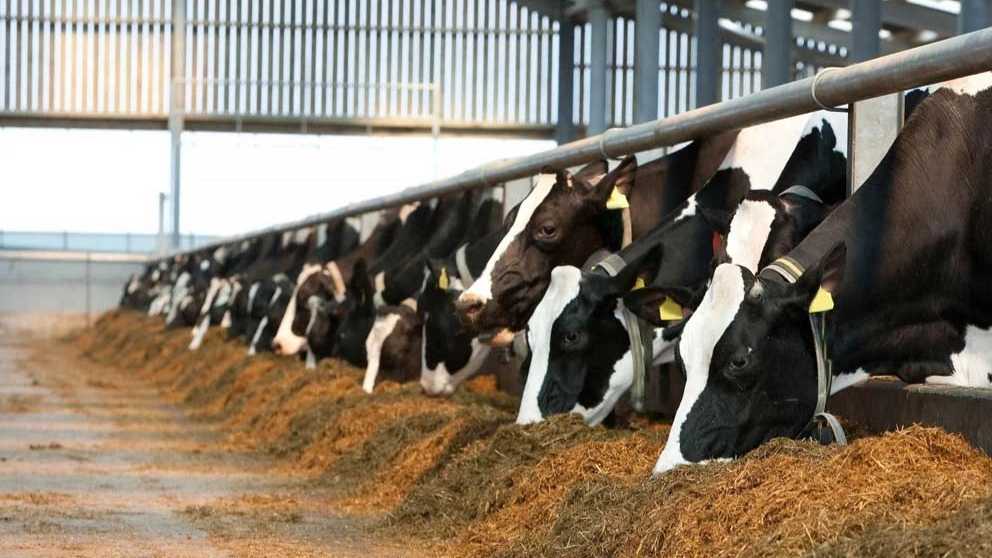

In the modern animal husbandry industry, ensuring the well-being and comfort of dairy cows is one of the most important factors affecting the health of livestock, the quality of herd management, and the sustainability of milk production. Dairy cows need a safe, hygienic environment that meets their physiological needs in order to maintain physical health, perform normal behaviors, get enough rest, and enjoy optimal production performance. One of the effective ways to achieve these conditions is to use the freestall system in designing and equipping the dairy cow stall.
Freestall or free resting place, is a system in industrial farms that provides each cow with a certain space to rest; In such a way that the animal can freely enter the place, lie down in it, rest and leave it again. The proper design of this system can help to improve animal comfort, increase the cleanliness of the place, reduce physical injuries and better manage the daily activities of the herd.
The role of freestall in improving the welfare and comfort of dairy cows is not only limited to creating a place to lie down, but the dimensions of the stall, type of bedding, quality of equipment, ventilation, cleaning and ease of animal movement are also influential in its performance. Therefore, the basic design and implementation of freestall should be done based on understanding the natural behavior of cows and the real needs of animal husbandry.
In this context, Damiar Taha Sanat Parse, as an active name in the field of introducing solutions related to equipment and livestock management, can emphasize the importance of basic design of freestall systems and improvement of welfare standards in dairy farms. Paying attention to these principles is an important step in the development of scientific animal husbandry, increasing productivity and creating a more suitable environment for keeping dairy cows.
What is Freestal and how does it work?
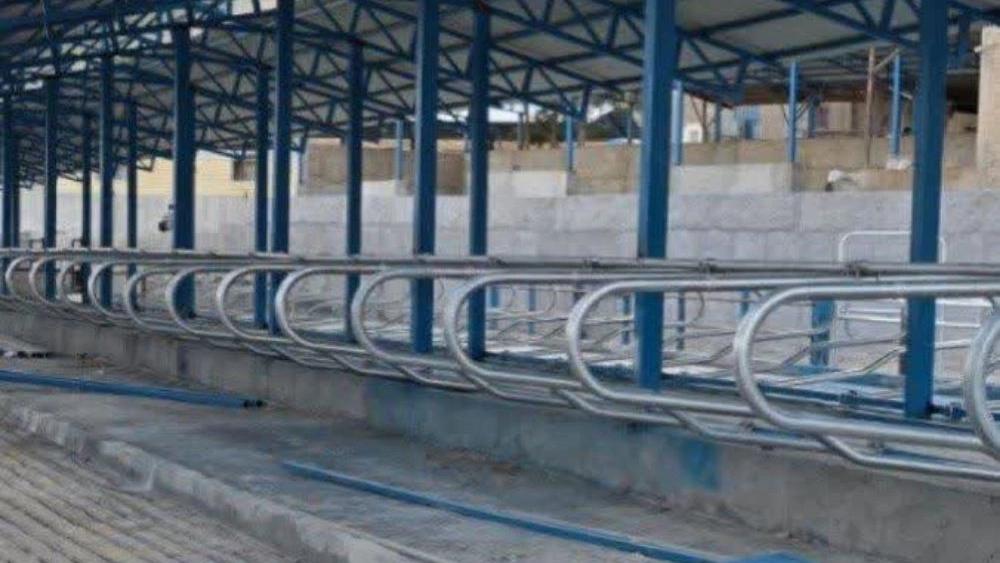
Freestall is one of the most common systems for keeping dairy cows in modern farms. In this system, rest stations are designed in rows and each station is considered for use by one cow. Unlike closed or restrictive systems, cows in free stalls can move freely in the public space of the stall and enter their resting place when needed.
The structure of a freestall usually includes a resting surface, side dividers, movement restrictors, a seat edge or border, and a suitable substrate. Each of these components must be selected and installed in such a way that while maintaining the order of the position, they allow the animal to lie down and stand up naturally.
One of the main goals of using freestall is to create a balance between animal comfort, maintaining litter hygiene and ease of livestock management. Improper design can limit cow movement, decrease the desire to use the stall or increase litter contamination. On the other hand, a principled system can provide more suitable conditions for animal rest and environment cleaning.
Features such as body size of cows, age, weight, breed, stage of lactation and the number of animals in the herd should be considered in freestall design. Using a fixed model for all livestock does not necessarily produce a favorable result; Because the needs of cows and physical conditions of buildings may be different.
The role of freestall in improving the welfare and comfort of dairy cows
The most important advantage of freestall is to provide a specific and relatively independent space for cows to rest. Proper rest helps the animal to recover its energy, perform rumination in more favorable conditions and reduce the pressure on the motor organs.
Dairy cows spend a significant part of their time resting during the day and night. In the right conditions, their daily rest period can be around 10 to 14 hours; However, this amount changes under the influence of environmental conditions, animal health, feeding management and the quality of the place. For this reason, the quality of the resting place is one of the important indicators for evaluating the welfare of dairy cows.
Provide a suitable space to lie down
A cow needs enough space to lie down and stand up. If the cage is too small or its equipment prevents the natural movement of the head, neck, and limbs, the animal may have difficulty entering the cage or changing its body position.
A standard freestall should allow the cow to lie down and rise smoothly without hitting dividers or other structural components. Sufficient space for head and neck movement is also important; Because the cow uses natural movement patterns when getting up.
Increasing the cow's desire to rest
Cows usually prefer soft, dry and clean surfaces to rest. If the freestal bed is too hard, wet or contaminated, the animal may show less desire to use it.
Increasing the comfort of the bed and reducing disturbing factors helps to use the place better. As a result, the animal will have more opportunity to rest in a suitable environment and the possibility of long-term standing on unfavorable surfaces will decrease.
Reducing the pressure on the motor organs
Resting on the right surface can reduce the pressure on the knees, joints, hooves and prominent areas of the body. On the other hand, very hard or inappropriate surfaces may increase the likelihood of skin damage, joint sores, and movement problems.
For this reason, choosing the right substrate and complying with the freestall standard dimensions are considered important issues in livestock welfare management.
The effect of freestall on the health and productive performance of dairy cows
The health of dairy cows is closely related to the quality of the environment. If the animal has access to a suitable resting place, it can perform its natural behaviors with less restriction. This issue, along with balanced nutrition, sufficient water, proper ventilation and health management, helps to maintain the general condition of livestock.
The relationship between rest and milk production
Milk production is influenced by many factors such as genetics, nutrition, breast health, metabolic status, water consumption and environmental conditions. Therefore, the increase in milk production cannot be attributed solely to the use of freestal.
However, proper freestall can be one of the components of optimal livestock management. Providing suitable conditions for rest, reducing discomfort caused by inappropriate bedding and not restricting the natural behavior of cows, helps to create favorable conditions for maintaining productive performance.
On the other hand, if the animal is prevented from using the space or cannot rest enough due to crowding and discomfort, its daily behavior and performance may be affected.
Effects on rumination and behavioral balance
Rumination is one of the essential behaviors of dairy cows and is directly related to the normal functioning of their digestive system. Cows devote part of their rest time to ruminating; Therefore, providing a calm and comfortable environment for lying down can provide suitable conditions for performing this behavior.
A suitable freestall should be away from unnecessary distractions and allow rest without constant contact with other animals. Of course, the quality of the ration, access to feed and water, and proper herd management are also important in maintaining the natural pattern of rumination.
Reducing the risk of injuries due to improper position
Improper stall design can cause the cow's body to collide with the structural components, slip when entering or exiting, and put pressure on the joints. Using the right equipment, observing dimensions appropriate to the size of the animal and choosing a surface with sufficient friction can reduce the possibility of these problems.
In this context, the role of freestall in improving the welfare and comfort of dairy cows will be greater when all the components of the system are coordinated with each other and periodically reviewed.
The importance of basic freestall design in dairy farms
Freestall design is not only limited to determining the number of positions and installing metal separators. In order to create a suitable environment, it is necessary to examine the physical conditions of the building, commuting routes, access to water and feed, the method of collecting manure and the characteristics of the herd in an integrated manner.
Determining the dimensions according to the size of the cows
The dimensions of the place should be chosen according to the body size of the animals. Larger cows need more room to lie down, move their head and neck, and stand up. The smallness of the rest space can limit movement and reduce the desire to use free stall.
On the other hand, disproportionate dimensions may make it difficult to control the cleanliness of the bed. Therefore, determining the size of the place should be done by considering the animal comfort and health management.
Design of side separators
Separators help define the boundaries of each location and prevent inappropriate entry of livestock into the adjacent space. However, if their shape or position is not chosen correctly, they can limit the natural movement of the cow.
The suitable separator must have sufficient strength, have no dangerous edges and do not obstruct the movement of the head, neck and limbs of the animal. The basic design of this section helps to reduce unwanted collisions and increase the ease of use of the station.
Paying attention to the entrance and exit of livestock
The cow must be able to enter and exit the stall without fear, slipping or hitting the equipment. Narrow walkways, slippery floors, and congestion can make it difficult to use a freestall.
For this reason, the design of the stall must be in harmony with the movement paths of the livestock in the hall. Sufficient space in the corridors and proper access to water troughs and troughs are also important in the overall performance of the system.
The role of litter in freestall performance and increasing the comfort of cows
The bedding is one of the most important components of the freestall and has a direct effect on the comfort, cleanliness and willingness of the cow to rest. Even if the structure of the free stall is suitable in terms of dimensions and equipment, an unfavorable platform can reduce the overall quality of the stall.
Features of suitable substrate
The desired substrate should be soft, dry, clean and have sufficient friction. The resting surface should not be so hard that it puts pressure on the animal's body while lying down, and it should not be so slippery that it makes it difficult to get up or change the position of the body.
Also, the substrate should be managed in such a way that the accumulation of moisture and pollution in it is minimized. Selection of bedding materials should be done based on climatic conditions, cleaning facilities, fertilizer management system and animal husbandry needs.
Common types of freestal bed
Different materials are used for bedding in dairy farms. Each substance has its own characteristics and management requirements.
- Sand: If used with proper depth and management, it can provide an adaptable and comfortable resting surface. However, its collection and transfer in the manure management system should be considered from the beginning.
- Straw: It is a familiar material for livestock bedding, which can help to increase the smoothness of the surface if it is dry and clean. It is important to manage humidity and change it regularly.
- Sawdust and wood chips: In some farms, they are used to create a soft surface. The quality, cleanliness and moisture status of these materials should be checked.
- Matches for livestock: These equipments can create a flexible surface for resting. However, they usually require a proper layer of bedding material and regular cleaning to keep the surface dry and comfortable.
No material can be considered the best option for all units without considering the livestock conditions. The final choice should be made based on animal comfort, cleaning ability, sanitary quality and compatibility with existing equipment.
The effect of litter cleaning on cow health
Wet and contaminated bedding can increase the microbial load and contact the animal body with pathogenic agents. In dairy cows, the hygiene of the storage environment is of particular importance; Because the contamination of the body and breast area can make the health management of the herd more difficult.
Regular cleaning of the place, removal of contaminated materials, addition of fresh bedding if needed and humidity control are essential measures in freestall management. These actions should be done in a planned manner and not be limited only to the time of severe pollution.
The role of ventilation and ambient temperature in the comfort of dairy cows
One of the important factors in the welfare of dairy cows is the control of indoor weather conditions. High temperature, inappropriate humidity and insufficient air flow can reduce animal comfort and affect resting behavior and production performance.
Freestall alone cannot solve the problems caused by improper ventilation; But its design should be coordinated with the ventilation and climate management system of the hall.
Reduce thermal stress
Dairy cows, especially during lactation and under high production conditions, may be sensitive to heat. Heat stress can increase the number of breaths, change daily behaviors and reduce the desire to lie down in some situations.
Proper ventilation, basic use of fans, providing sufficient drinking water and controlling livestock density are some of the solutions for heat stress management. The resting place should also provide as much as possible suitable conditions for dissipating body heat.
Humidity management and air circulation
Excess humidity and poor ventilation can make it difficult to keep the litter dry. In addition to reducing comfort, wet bedding may make the sanitary conditions of the place unfavorable.
For this reason, the design of the hall should pay attention to proper air circulation and moisture removal. Coordination between ventilation, bedding and cleaning program plays an important role in maintaining the quality of the resting environment.
The effect of freestall on reducing stress and improving the natural behavior of cows
Dairy cows are social animals and need an environment that allows movement, rest, access to resources and natural interaction with other animals. Excessive restrictions, crowding, and the presence of inappropriate barriers can increase competition and disrupt daily behaviors.
Freestall helps to better order the place by specifying the resting space of each animal. If properly designed, cows can use available spaces without having to constantly compete to find a place to rest.
However, the number of stalls should be proportional to the number of animals. If the number of cows exceeds the actual capacity of the stall, the competition to use the freestall increases and some animals may not have enough time to rest.
The importance of proper livestock density
Overcrowding can limit access to the resting place, water trough and manger. This issue is more important for weaker cows, newborn livestock and animals that are in a lower social rank.
In planning the capacity of the hall, it is necessary to check the number of usable seats, movement space and access to the main resources. The existence of a sufficient number of freestalls is effective only when the positions are available and administrative or physical barriers do not limit their use.
Providing a peaceful environment for relaxation
Continuous noise, improper movement of machinery, slippery floor and frequent collisions between animals can reduce the peace of the environment. Appropriate design of movement paths and proper management of daily activities can help create a calmer environment.
In such a situation, Freestall becomes a part of a comprehensive animal welfare system; A system in which rest comfort, nutrition, water supply and general health are managed in a coordinated manner.
The role of freestall in improving health and livestock management
One of the reasons for using freestall in industrial livestock farms is the possibility of better management of the resting place and its relative separation from the polluted traffic routes. This feature can make daily cleaning more targeted and help maintain the cleanliness of the environment.
In the freestall system, the correct design of the edge of the stand, manure collection paths and resting surface is very important. If the height of the edges or the placement of the components is inappropriate, it will be possible for manure to enter the bed or make it difficult for livestock to move.
Also, the cleaning program should be adjusted in such a way that visible contaminations are removed in time and the substrate remains in good condition. Paying attention to this issue, in addition to animal welfare, can improve the overall quality of salon management.
Damiar Taha Sanat Parse in specialized content related to animal husbandry equipment can highlight the importance of coordination between freestall structure, fertilizer management system and cleaning program. The correct implementation of these principles will help livestock farmers to use the facilities of the hall better and create more sustainable health conditions.
The effect of freestall on the economic productivity of animal husbandry
Investment in the design and equipping of the dairy cows should be done with a long-term perspective. A suitable freestall system can help improve daily management, reduce some problems caused by inappropriate bedding and increase the ease of cleaning.
Reducing costs due to location problems
Improper design may increase the need for repairs, premature replacement of equipment, use more substrate material, or make cleaning operations more difficult. Choosing equipment suitable for animal husbandry conditions and their basic maintenance can reduce the possibility of some of these problems.
Also, paying attention to the comfort of the animal and preventing injuries related to the place may help to reduce some of the treatment and management costs. The extent of this effect depends on the initial conditions of the herd and the quality of implementation of health programs.
Improving human resources management
In large farms, ease of cleaning and proper access to different parts of the hall are very important. Basic freestall can make the cleaning operation, adding bed and checking the condition of the stands more regular.
If the equipment is installed correctly and the movement paths of the machinery are coordinated with the resting place of the animal, the staff can carry out daily activities in a more orderly manner. As a result, salon management will become more predictable.
Long-term view of equipment selection
When choosing freestall equipment, the appearance of the structure or the ease of installation should not be the only decision criteria. Durability of materials, resistance to environmental conditions, possibility of repair, safety of connections and compatibility with the size of animals are also important.
Attention to these factors can prevent short-term and disproportionate decisions and provide the basis for more effective use of the investment made.
Key points for choosing and running the right freestal
To achieve the best result, the selection and implementation of freestall should be done according to the real conditions of each livestock farm. The initial examination of the hall and the needs of the herd prevents decisions based on general and disproportionate patterns.
The most important points to consider in this process are:
- Check the body size, weight and characteristics of the herd before determining the size of the stall
- Choose a soft, dry, clean and frictionless bed
- Design separators with the aim of maintaining the safety and freedom of natural movement of the cattle
- Provide enough space for cattle to enter, exit, lie down and get up
- Coordinate the stall with the ventilation and manure management system
- Provide proper access to drinking water and Feed
- Considering the actual capacity of the hall and preventing overcrowding
- Choosing durable and maintainable equipment
- Regularly checking the condition of the bed and structure
- Monitoring resting behavior and symptoms of distress in cows after operation
Complying with these principles reduces the possibility of operational problems and helps to create a more suitable environment for keeping dairy cows.
Damyar Taha Sanat Parse; Paying attention to new solutions in animal husbandry equipment
The development of modern animal husbandry depends on the use of appropriate equipment and scientific management. In this direction, the design of the place, the selection of equipment, compliance with the principles of animal welfare and attention to the ease of maintenance should be placed together.
Damiar Taha Sanat Parse in introducing the solutions related to the equipment and management of livestock can emphasize the importance of freestall as one of the main components of modern dairy cattle halls. An approach that simultaneously considers animal comfort, equipment durability, ease of cleaning, and the suitability of the structure to livestock conditions will help ranchers make more informed decisions.
Choosing the freestall system should be based on the needs of the herd and the specifications of the place of implementation. For example, a ranch with large cattle may need different dimensions than a unit with smaller cattle. Also, the climatic conditions, the method of collecting manure and the type of substrate affect the choice of equipment and the way the system is implemented.
Therefore, it is very important to pay attention to the technical specifications of the equipment and evaluate the conditions of the place of implementation. Introducing suitable solutions and providing information about design principles can help farmers to make better informed decisions about improving the environment for keeping dairy cows.
The future of freestall in Iran's industrial livestock farms
With the development of industrial livestock farms and increased attention to animal welfare standards, the importance of the scientific design of the stands has also increased. In order to achieve sustainable productivity, today's livestock farms, in addition to nutrition and health management, need a proper maintenance environment that does not limit the natural behavior of livestock.
Freestall can be a part of this evolution if designed and managed correctly. The use of durable equipment, paying attention to the ergonomics of the animal, choosing the right substrate and using modern methods of hall management are among the factors that can improve the quality of the place.
Also, monitoring livestock behavior using new management methods and tools can help identify problems early. For example, reducing the use of the seat, increasing the time of standing in unnatural positions or observing skin damage can be a sign of the need to examine the environmental conditions.
In the future, greater coordination between structure design, equipment, health management and animal welfare monitoring can play an important role in improving the quality of Iran's animal husbandry. In this way, collections like Damyar Taha Sanat Parse can help to increase awareness about the importance of the basic design of the stand by introducing appropriate equipment and solutions.
summary
Freestall is one of the important systems in the design of dairy cow stalls, which can help improve animal comfort, maintain environmental health and better herd management by providing a specific space for rest. The optimal performance of this system depends on several factors such as suitable dimensions, quality of bedding, design of separators, ventilation of the hall, density of livestock and periodical maintenance of equipment.
The role of freestall in improving the welfare and comfort of dairy cows is best seen when the animal can easily enter the stall, lie down in a natural position and get up without hitting obstacles. Also, dry and clean bedding and providing suitable conditions for air circulation are important in maintaining the health and peace of the animal.
The use of proper freestall alone does not guarantee an increase in milk production, but along with balanced nutrition, health management, adequate water supply and veterinary care, it can strengthen the conditions necessary for optimal herd performance. On the other hand, improper design or poor maintenance may reduce the benefits of this system; Therefore, it is necessary to pay attention to the real needs of livestock and the conditions of the place of implementation.
Damiar Taha Sanat Parse can emphasize on the importance of freestall principle selection and simultaneous attention to animal welfare, equipment durability and ease of management in the way of introducing new animal husbandry equipment and solutions. A scientific look at the design of the place and the continuous evaluation of the maintenance conditions will help the farmers to create a safer, cleaner and more suitable environment for the needs of dairy cows.
Finally, paying attention to the role of freestall in improving the welfare and comfort of dairy cows is not only a construction or equipment measure; Rather, it is a part of the comprehensive approach to animal health, responsible management and sustainable development of the animal husbandry industry.