
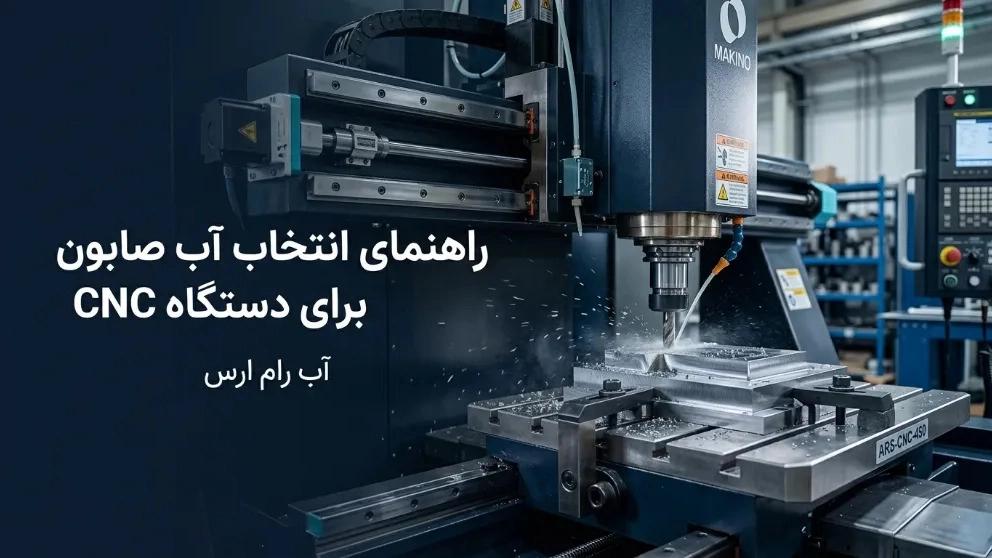
Choosing the right soapy water for the CNC machine is one of the most important factors in increasing the machining quality, reducing tool wear and maintaining the health of the machine parts. Many operators think that any type of water-soluble oil can be used for a CNC machine, but the reality is that the difference between different types of soapy water in terms of composition, cooling power, lubrication, rust resistance, and stability can have a direct impact on machine performance.
In processes such as turning, milling, drilling and grinding, tools and workpieces are subjected to high pressure, friction and heat. If the selected cutting fluid is not of good quality, the possibility of breaking the tool, creating scratches on the surface of the part, increasing the temperature of the spindle, producing an unpleasant smell and growing bacteria in the tank increases. For this reason, the selection of soapy water for CNC machines should be based on the type of machine, the material of the part, the type of operation, the hardness of the water and the conditions of the working environment.
In this article, we will review the most important points of choosing soapy water for CNC machines and explain how using the right water, including Ram Aras water, can contribute to increasing the life of the solution, reducing deposits and improving fluid performance.
What is soap water and what is its use in CNC machine?
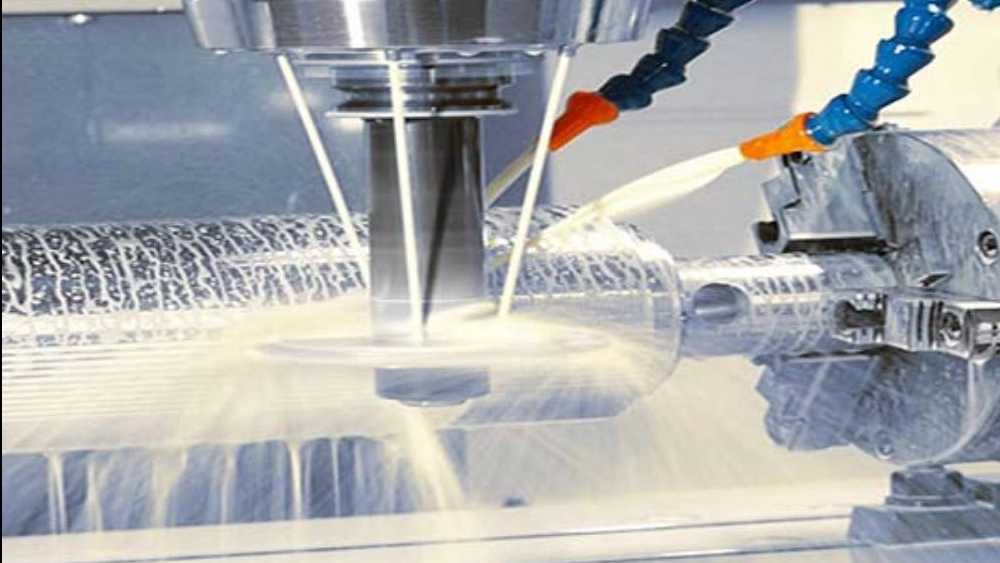
Soap water or water-soluble oil is a type of machining fluid that consists of oil, emulsifiers, anti-rust additives, anti-foaming agents and protective compounds. After mixing with water, this fluid forms a stable emulsion and circulates in the cooling system of the CNC machine.
The main function of soapy water is to reduce the heat generated in the contact area between the tool and the work piece. During chipping, the friction between the tool and the metal generates a lot of heat. Soapy water absorbs this heat and removes it from the workplace. Also, by creating a lubricating layer, it reduces friction and prevents early tool wear.
The right soapy water for the CNC machine should have several functions at the same time. Cooling, lubrication, preventing rust, washing chips, reducing the adhesion of pollution and protecting the device components are the most important tasks of this fluid. The higher the quality of soapy water, the easier it will be to control these factors.
Why is it important to choose soapy water for CNC machine?
The performance of the CNC machine is directly related to the quality of the cooling fluid. If the soap water is diluted too much, the ability to lubricate and protect the part will decrease. If its concentration is too much, a lot of foam may be produced, it becomes difficult for the fluid to pass through the paths and the cost of consumption increases.
Poor quality soapy water can cause the workpiece and parts of the device to rust. Also, if inappropriate water is used, the salts in the water react with the soapy water compounds and create sediment. These deposits may block the nozzles, filters, pump and fluid circulation paths.
On the other hand, improper soapy water creates a suitable environment for the growth of bacteria and fungi. The growth of microorganisms is usually associated with bad odor, discoloration of the solution, reduced cooling performance, and skin irritation of employees. Therefore, the choice of soapy water is not only limited to buying an oily product, but the quality of the water used for dilution is also very important.
The role of water quality in the performance of soapy water
Water quality is one of the important factors in the stability of soapy water. Water with high hardness, mineral salts, iron, manganese or various impurities can change the structure of the emulsion. In such a situation, the soapy water may separate, produce too much foam, or leave deposits on the surfaces of the machine.
Hard water usually contains large amounts of calcium and magnesium ions. These ions can react with the additives in the soapy water and cause the formation of compounds that reduce the lubrication and cooling properties of the solution. In addition, sediment from hard water accumulates in the tank and pipes of the device, making the system more difficult to maintain.
Using quality and controlled water can increase the life of soapy water. Focusing on the quality and health of the water, Ram Aras water can be a suitable option for the collections that seek to reduce the effect of undesirable solutes in the CNC fluid preparation process. Of course, the final choice should be made based on the technical specifications of the water, workshop conditions and the recommendation of the soap water manufacturer.
What is the role of juniper juice in the preparation of soapy water?
Ram Aras water operates in the field of providing high-quality water and can be considered a choice for workshops and industrial complexes that are sensitive to the quality of water consumed. In the process of preparing soapy water, it is important to use healthy and uniform quality water; Because extreme changes in the composition of water can change the behavior of the emulsion.
When the water used to prepare soapy water is of good quality, the possibility of sediment formation, oil separation, uncontrollable foam and loss of fluid performance is reduced. This issue is more important for workshops where the CNC machine works continuously; Because changing the fluid early, frequently washing the tank and stopping the device causes a lot of costs.
Ram Aras water can be considered as part of the fluid quality control program in CNC workshops. However, it is better to check the characteristics of the water, including hardness, electrical conductivity, amount of solutes, and its compatibility with the soapy water product before use. Consulting with soap water suppliers and technical experts also helps to make a more accurate choice.
Important criteria for selecting CNC soapy water
To choose the right soapy water, the type of machining operation must be determined first. Soapy water used in light turning may not be suitable for heavy milling or deep drilling. The pressure applied to the tool, the cutting speed, the material of the part and the volume of production all play a role in the choice of fluid.
Cooling power is one of the main criteria. In operations where the cutting speed is high or the part generates a lot of heat, soapy water must have the ability to transfer heat quickly. Poor cooling can change the dimensions of the part, decrease the accuracy and reduce the life of the tool.
Rust resistance is another important criterion. The fluid must be able to protect the part, machine table, trisystem, tools and surrounding metal parts against moisture. Some soaps do not have enough anti-rust protection in case of low concentration; Therefore, the composition ratio should be adjusted according to the manufacturer's instructions.
Floor control is also essential. A lot of foam production reduces the visibility of the operator, disrupts the pump operation and reduces the fluid circulation efficiency. The suitable soapy water should have a controlled foam in the working condition of the machine and return to a stable state faster after the machine is stopped.
Selection of soapy water based on the type of piece
The type of work piece has a great influence on the type of soapy water. For the machining of steel, cast iron, aluminum, copper, brass and special alloys, a different formulation may be required.
In steel machining, a fluid with proper lubrication and anti-rust power is important. Steel is vulnerable to moisture, and if inappropriate soapy water is used, its surface may become stained or rusted.
In aluminum machining, soapy water should prevent staining, discoloration, and chip adhesion. Some inappropriate compounds can react with aluminum and reduce the appearance quality of the piece.
For cast iron, sediment control and fluid separation are more important; Because small graphite particles and shavings can quickly enter the tank. In this situation, proper filtration along with high-quality soapy water is necessary.
In the machining of copper and brass, attention should also be paid to the color change and chemical reaction. It is better that the selected product has been specifically tested for the desired metal and its technical information is available to the operator.
The ratio of water and soapy water
One of the common mistakes in workshops is to guess the proportion of soapy water. The appropriate concentration should be determined based on the manufacturer's instructions and the type of operation. An unreasonable increase in concentration does not always mean better performance and can even cause stickiness, foaming, increasing costs and making it difficult to wash the device.
Excessive dilution also causes serious problems. Diluted soapy water may not have sufficient ability to protect the tool and the part and increase the possibility of rusting. Also, a thinner solution is usually exposed to microbial contamination faster.
For preparation, it is better to first pour a certain amount of water into a clean tank and then add the soapy water concentrate according to the instructions. Mixing should be done uniformly to create a stable emulsion. Adding water to the thick concentrate or combining the ingredients in inappropriate conditions may cause separation and formation of oily layers.
Effect of soapy water on CNC tool life
Tool cost is one of the important parts of production costs. Choosing the right soapy water can increase the life of drill bits, milling cutters, lathe inserts and other tools. This fluid controls the thermal and mechanical pressure applied to the tool by reducing the temperature and friction.
When the tool overheats, the hardness of the cutting edge decreases and the tool wears faster. Also, high temperature can cause lip filling, cracking or deformation of the edge of the tool. Soapy water reduces these problems with proper cooling.
Correct lubrication also makes the chip come out of the cutting area better. Accumulation of shavings around the tool can cause the shavings to collide again with the surface of the part and cause scratches. Therefore, the right soapy water helps to increase the life of the tool and improve the quality of the surface at the same time.
Signs of soap water deterioration
The soapy water should be checked regularly. Changes in the smell of the solution, formation of an oily layer on the surface, severe color change, increased foaming, reduction in cooling power, and seeing rust spots on the part are signs of a problematic fluid.
Increasing the concentration of bacteria may also cause a sour or unpleasant smell. In this situation, simply adding fresh soapy water to the tank is usually not a good solution. The tank must be emptied and cleaned, and the fluid circulation paths must also be examined.
Measuring the concentration with a refractometer and periodically controlling the pH can provide accurate information about the condition of the soapy water. The appropriate pH number depends on the type of product and should be compared with the manufacturer's technical information. Regular inspection prevents sudden failure and unexpected stoppage of the device.
Tips for maintaining soapy water in the CNC machine
To maintain the quality of soapy water, the tank of the device must be cleaned at certain intervals. Old fluid remaining in the corners of the tank can cause bacteria to grow and contaminate the fresh solution. The cleaning program should be adjusted according to the volume of work, the number of shifts and the type of metal.
The level of soapy water should be controlled so that the pump does not run without fluid. The lack of solution causes air to enter the system and reduce the cooling performance. If the level decreases, the compensation solution should be prepared with the same ratio as the standard.
Direct skin contact with soapy water should be reduced as much as possible. It is necessary to use suitable gloves, adequate ventilation and follow product safety instructions. High-quality soapy water can also cause dryness or irritation of the skin if used incorrectly.
Also, it is better to record the information related to the date of preparation, concentration, pH and time of changing the fluid. This will help the operator better identify changes in soapy water performance.
How to choose the best soapy water for the workshop?
For the final selection, first determine the type of operation and the material of the part. Then the technical specifications of different products should be checked in terms of concentration range, anti-rust ability, foam control, compatibility with metals and resistance to pollution.
The quality of the water used should also be considered. The use of Ram Aras water can be an option to be considered for the collections that are looking for high-quality and stable water for industrial processes. It is better to test water and soap samples in a limited volume before widespread use.
In the test phase, things like the amount of foam, the quality of the surface of the part, the working temperature, the condition of the tool, the smell of the solution and the amount of sediment should be checked. If the results are stable, the product can be used in the whole system.
Purchase price should not be the only selection criterion. Cheap but low-quality soapy water may increase consumption, reduce tool life, pump failure, rust parts, and stop the machine. The actual cost should be calculated based on the total cost of consumption, maintenance and breakdown.
summary
Choosing soapy water for a CNC machine is a technical and effective decision on production quality, tool life and maintenance costs. The appropriate soapy water should have cooling, lubricating, anti-rust and foam control properties and be compatible with the material of the part and the type of machining operation.
The quality of the water used for dilution is as important as the concentrate itself. Water with solutes and inappropriate hardness can cause sedimentation, separation of emulsion, bacterial growth and reduction of fluid life. Using high-quality water such as Ram Aras water, along with observing the composition ratio and regular maintenance, can help the better stability of the soapy water and the more reliable operation of the CNC machine.
By controlling the concentration, checking the pH, keeping the tank clean, preventing the mixing of incompatible products and choosing the right water, it is possible to increase the machining quality and reduce the additional costs of the workshop. The best result is obtained when the selection of soapy water is based on the actual needs of the device and with technical review.
