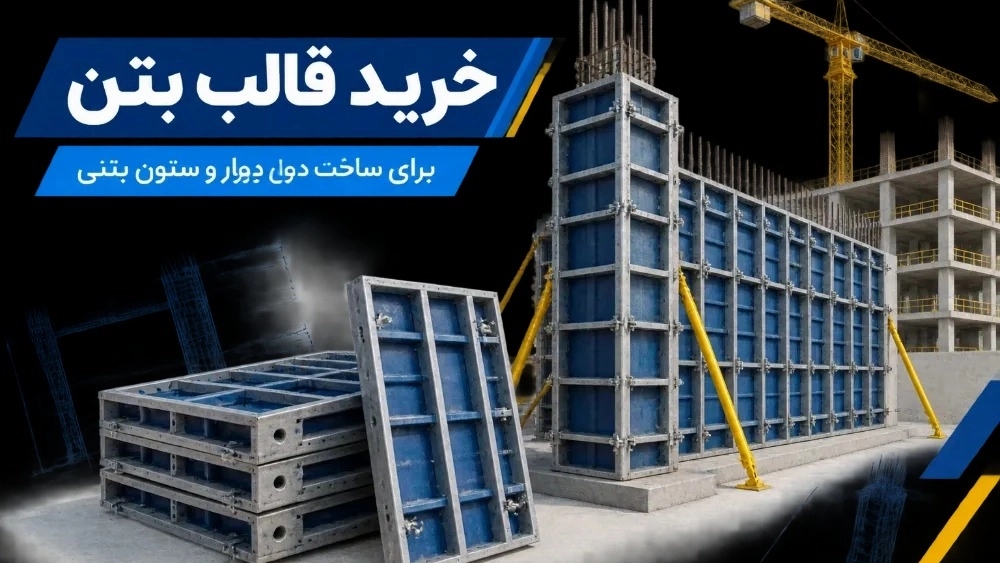
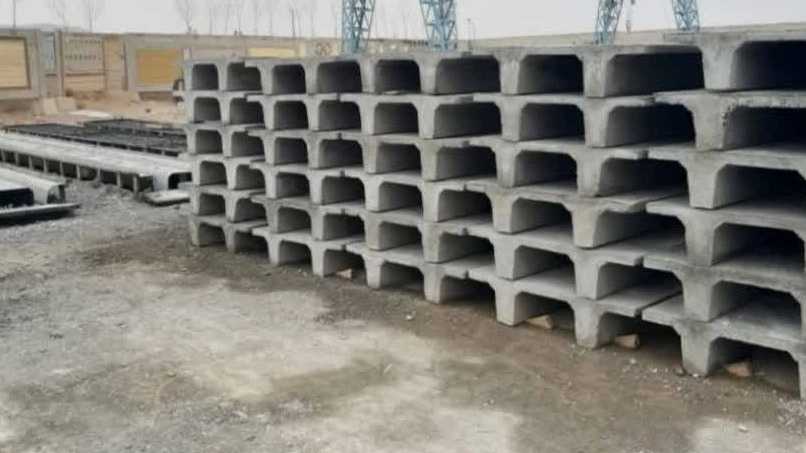
In civil and construction projects, the quality of concrete structure implementation largely depends on the selection of appropriate equipment, especially formwork. Purchasing concrete formwork for building concrete walls and columns is one of the important steps in planning construction projects; Because the concrete mold is responsible for keeping the fresh concrete in the desired shape and dimensions until it reaches the initial strength. Choosing the right mold can help increase the quality of the concrete surface, reduce execution errors, improve the speed of molding, and optimize the use of manpower.
Concrete walls and columns are important components of many residential, commercial, industrial and civil structures. For this reason, the mold used to execute these parts must have strength, stability and dimensional accuracy. The use of inappropriate molds or non-standard connections may change the shape of the mold, leak concrete juice, create unevenness on the surface of the structure, and increase rework.
If you intend to buy a concrete mold for building a concrete wall and column, it is better to familiarize yourself with the types of molds, technical features, connection methods, safety requirements and equipment selection criteria before choosing the product. In this direction, Poya Sanat Isfahan can be considered as a name for following up on the needs related to molding equipment and checking suitable options for the project.
What is concrete mold and what is its use in building walls and columns?
A temporary structural concrete formwork or, in some systems, part of a reusable formwork set into which fresh concrete is poured. This form must maintain the desired shape and withstand the pressure caused by fresh concrete and the forces applied during concreting.
In the construction of a concrete wall, molds are usually installed on both sides of the concreting site to maintain the thickness and shape of the wall. In the construction of the concrete column, the molds are placed as a set around the reinforcement so that the cross-section of the column is formed according to the executive drawings.
Purchase of concrete formwork for the construction of concrete walls and columns has a favorable result when the type of formwork is in harmony with the dimensions of the structure, the volume of concreting, the conditions of the workshop and the method of project implementation. The correct choice is not only limited to the material of the mold; But the quality of connections, back straps, restraints and the way of installation is also very important.
Types of concrete molds for building concrete walls and columns
Concrete metal mold
Metal formwork is one of the common options in construction projects. These molds are usually made of steel sheet and reinforcement components and can be reused if properly maintained.
Suitable strength, the possibility of combining panels and the ability to be used in multiple projects are important features of metal formwork. For this reason, contractors who continuously work in the field of implementing concrete structures, when purchasing concrete formwork for the construction of concrete walls and columns, put metal forms in the list of their main options.
Concrete modular formwork
Modular forms consist of panels with specific dimensions that can be placed together with the help of suitable connections. This system provides the possibility of combining templates to create different wall and column dimensions.
One of the advantages of the modular format is its flexibility in arrangement and its ability to be used in various projects. Of course, in order to achieve the desired result, the dimensions of the panels, the way of connection and the need for additional parts should be checked in advance.
In purchasing concrete formwork for the construction of concrete walls and columns, the modular system can be a practical option for projects that have several concreting stages or repetitive dimensions.
Mold for concrete column
The column mold must be able to properly maintain the shape and dimensions of the column section. These templates are selected based on the structure map, cross-section shape, column height and concreting conditions.
In square and rectangular columns, it is very important to use suitable panels and precise connection. In circular columns, a template system should be used according to the required shape.
When buying a concrete form for building a concrete wall and column, it is necessary to pay attention to the pressure of fresh concrete, the distance between the restraints, the strength of the corners and prevent the joints from opening. Implementation details should be checked by experts and according to the relevant maps and regulations.
Concrete wall mold
Wall formwork is used to implement shear walls, retaining walls, perimeter walls and various parts of concrete structures. These molds are usually installed on two opposite surfaces and are fixed in their position with the help of bolts, nuts, straps and appropriate restraints.
In wall molding, it is very important to maintain the distance between two mold surfaces; Because this distance determines the final thickness of the wall. It should also be ensured that the mold is properly restrained against the lateral pressure of the concrete.
Purchase of concrete formwork for the construction of concrete walls and columns should be done according to the height of the wall, its thickness, the speed of concreting and the type of concrete used. The greater the applied pressure, the more important is the more detailed examination of the bracing system and the capacity of the mold components.
The most important points before buying a concrete mold for building a concrete wall and column
Examining dimensions and executive plans
Before buying a concrete form, check the structural drawings and implementation details. The height and thickness of the wall, the cross-section dimensions of the column, the location of the openings and the number of concreting steps are some of the factors that affect the selection of the formwork.
If the templates are not compatible with the dimensions of the project, you may need more additional parts or the time to execute the template will increase. Therefore, it is very important to accurately estimate the needs of the project before ordering the equipment.
Paying attention to the quality of mold making
Construction quality is one of the basic criteria in choosing a concrete mold. Warped sheets, improper welds, damaged edges, or inaccurate holes can cause performance problems.
When checking the product, pay attention to the uniformity of the surface, the quality of the connections, the strength of the reinforcing components and the ability to connect the panels. The mold must be able to maintain its shape in the specified working conditions and be compatible with the required additional equipment.
Choosing the right connection system
Connections play an important role in formatting stability. Clamps, pins, bolts, nuts, backstraps and restraints should be selected according to the formwork system.
Using incompatible joints or worn parts can increase the risk of mold opening or concrete leakage. For this reason, when buying a concrete form for building a concrete wall and column, don't just pay attention to the panels and also consider the set of required connections.
Check for reusability
One of the important advantages of many metal molds is the possibility of using them in several stages of concreting. However, the amount of reuse depends on the quality of construction, workshop conditions, separation method, transportation and storage.
Formwork that is properly cleaned and inspected after each concreting step will usually perform better on subsequent projects. Choosing a high-quality product and maintaining it properly can prevent the need for early repair or replacement.
Advantages of buying suitable concrete molds for construction projects
Increasing the speed of project implementation
Using standard and compatible templates with executable maps can reduce the time of installing, adjusting and collecting templates. Once the panels and connections are properly selected, the executive team can proceed with the formatting process in a more orderly fashion.
This issue becomes more important in projects that have multiple walls and columns; Because reducing the time of each stage can have an impact on the overall structure implementation plan.
Improving the quality of the concrete surface
A healthy and well-leveled formwork helps create a more uniform-looking concrete. On the other hand, the damaged surface of the mold, improper joints or leakage of concrete sap may cause unevenness and defects in appearance.
Purchasing a concrete mold for building a high-quality concrete wall and column, along with the correct implementation and proper density of concrete, can help improve the final result. Of course, the quality of concrete depends on other factors such as mixing plan, concrete pouring method, compaction and processing.
Reduction of rework and waste
Precise molding helps to maintain the dimensions of the structure and reduces the possibility of some implementation errors. If molds are properly installed and restrained, there is less chance of deformation or the need for modifications after the mold is opened.
Also, the use of reusable panels can reduce the consumption of disposable equipment and improve project resource management.
Increasing the order and safety of the workshop
Basic molding makes the mold components, connections and restraints to be in a certain position. Along with proper planning for carrying equipment and safe access to the workplace, this order helps in better management of executive operations.
Of course, no format alone guarantees the safety of the project. The design and bracing must be done according to the imported loads, and before concreting, the responsible people should check all the components of the system.
The difference between wall and concrete column molding
Although wall and column molding follow common principles, there are differences in their implementation methods and technical requirements.
Differences in shape and dimensions
Wall molding usually creates a wide surface and must maintain a certain thickness along the length of the wall. On the other hand, the column formwork is installed around a limited cross-section, and accuracy in dimensions, verticality, and strength of the corners are very important.
Difference in bracing
In concrete walls, it is important to restrain the mold along the surface and maintain the distance between the two sides. In columns, in addition to the strength of the connections, it is necessary to prevent the transfer of the mold and the change of the shape of the section during concreting.
The bracing details in both cases should be determined based on the height, concreting speed, concrete characteristics and formwork system design.
The difference in planning
In projects that have multiple columns with the same dimensions, it is possible to repeatedly use a suitable template set. In long walls, planning for moving panels and implementing them in stages can help to manage operations better.
For this reason, the purchase of concrete molds for the construction of concrete walls and columns should be done considering the type of structure and the sequence of operations, not just based on the number of molds needed.
Factors affecting the choice of concrete form for construction projects
Type of project and volume of concreting
The needs of a residential building are not the same as those of an industrial project or a large civil structure. The number of walls and columns, the height of the structure, the amount of repetition of sections and the schedule of concreting affect the selection of the type and number of molds.
For large projects, it is important to check the possibility of using modular systems and planning for the circulation of templates. In smaller projects, the real need and conditions of transportation and storage should be considered.
Environmental and workshop conditions
Moisture, dust, storage conditions and the way equipment is moved affect the useful life of the mold. If the molds are stored in an unsuitable environment or damaged during shipping, they may need to be repaired before they can be used again.
Therefore, when buying concrete formwork for the construction of concrete walls and columns, include the possibility of proper maintenance and access to a suitable space for storing equipment in the project plan.
Compatibility with existing equipment
If there is already a mold or molding equipment in the workshop, it is better to check the possibility of connecting and coordinating the new parts with the existing system before purchasing. Proper compatibility can prevent the provision of unnecessary parts and simplify the work process.
However, the mere appearance of parts does not mean that they are technically compatible. Dimensions, type of connection and carrying capacity should be checked by an expert.
Why is it important to choose the right supplier to buy concrete formwork?
Choosing the right supplier is not only limited to providing formwork panels. Receiving clear technical information, knowing the components of the formatting system, and the possibility of checking options suitable for the project, are some of the things that can make decision making easier.
When purchasing concrete molds for the construction of concrete walls and columns, it is better to check the product specifications, material and construction quality, type of connections, conditions of use and the need for additional parts before finalizing the order.
Poya Sanat Isfahan is a name that is considered in this article to introduce and follow up on the needs related to concrete forms and equipment needed for construction projects. To make an informed choice, it is recommended to directly check the technical specifications of the products and services that can be provided in this collection so that the final choice is in line with the actual needs of the project.
Also, it is better to make a list of your executive needs before buying; including the type of structure, the dimensions of the wall and column, the number of times of use, the conditions of transportation and the required peripheral equipment. Such an approach will help you choose a product suitable for the conditions of the workshop.
Important points of installation and maintenance of concrete formwork
Preparing the template before installation
Before installation, check the surface of the formwork and connecting components for dried concrete, contamination, rust, warping and damage. Defective molds must be repaired or taken out of service before use.
Also, the use of a suitable release agent, according to product instructions and executive regulations, can make mold separation easier. This material should not be used in a way that damages the quality of the concrete surface or the adhesion of subsequent coatings.
Control of alignment, plumb and connections
After installing the template, its position should be checked in terms of alignment, verticality, dimensions and tightness of connections. Any gaps or improper seams must be corrected before concreting.
In wall and column framing, restraints should be installed according to the executive plan. Arbitrary changes in the number or spacing of restraints can jeopardize the safety of the system.
Inspection during concreting
Concreting operation must be done according to the execution plan and the limitations of the formwork system. The speed of concreting and the method of concrete compaction can affect the pressure applied to the mold; Therefore, it is necessary to follow the technical instructions.
During the operation, the condition of the mold, connections and restraints should be under the supervision of the responsible persons. If deformation, displacement or signs of instability are observed, the operation should be stopped according to the safety procedure of the workshop and the problem should be investigated.
Cleaning and storage
After opening the mold and at the right time, the remaining concrete should be removed from the surface of the mold in a basic way. Using the wrong tool may damage the surface of the mold.
Forms should be stored in a suitable place and in a way that avoids deformation, impact and unnecessary erosion. Periodic examination of connections and reinforcement parts is also important to maintain system performance.
Common mistakes when buying concrete formwork for building concrete walls and columns
One of the common mistakes is choosing a template based solely on its appearance. A template that looks healthy does not necessarily have the required capacity and quality of the project. Technical specifications, quality of construction and conditions of use must be carefully checked.
Another mistake is to ignore peripheral equipment. Buying a panel without paying attention to the required bolts, clamps, back straps and harnesses may delay the installation time.
Also, failure to meet the number of molds and their reuse program can lead to a lack of equipment or storage of unnecessary parts. Before placing an order, it is better to check the execution plans, order of concreting and required capacity of the workshop.
Finally, maintenance and inspection of templates should not be neglected. Even a high-quality mold may lose its effectiveness if misused or improperly maintained.
summary; Buying a suitable concrete mold from Poya Sanat Isfahan
Purchasing concrete formwork for the construction of concrete walls and columns is one of the most important decisions in the implementation of concrete structures. Choosing the right mold can help maintain the dimensions of the structure, improve the quality of the concrete surface, increase the regularity of executive operations and use the equipment more effectively.
For the correct choice, the type of mold, the quality of construction, the dimensions of the panels, the compatibility of connections, the conditions of concreting, and the possibility of reuse should be checked together. Also, proper installation, proper bracing and continuous inspection play an important role in the safe operation of formwork.
Poya Sanat Isfahan is introduced in this article as a name to follow the needs related to concrete formwork. By checking the technical specifications of the products and matching them with the plans and conditions of the project, you can make a more informed decision to buy concrete formwork and proceed with the implementation of concrete walls and columns with more detailed planning.