
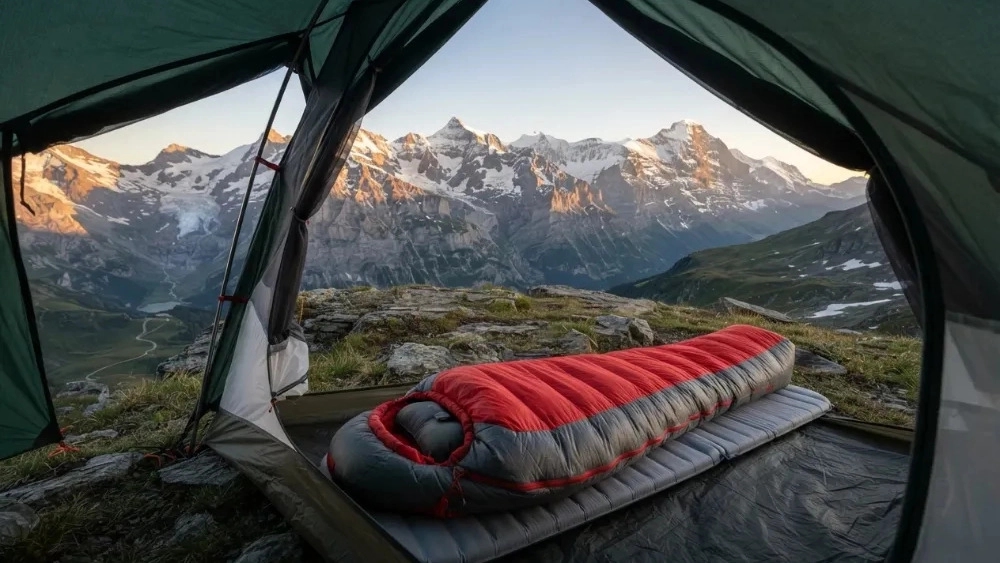
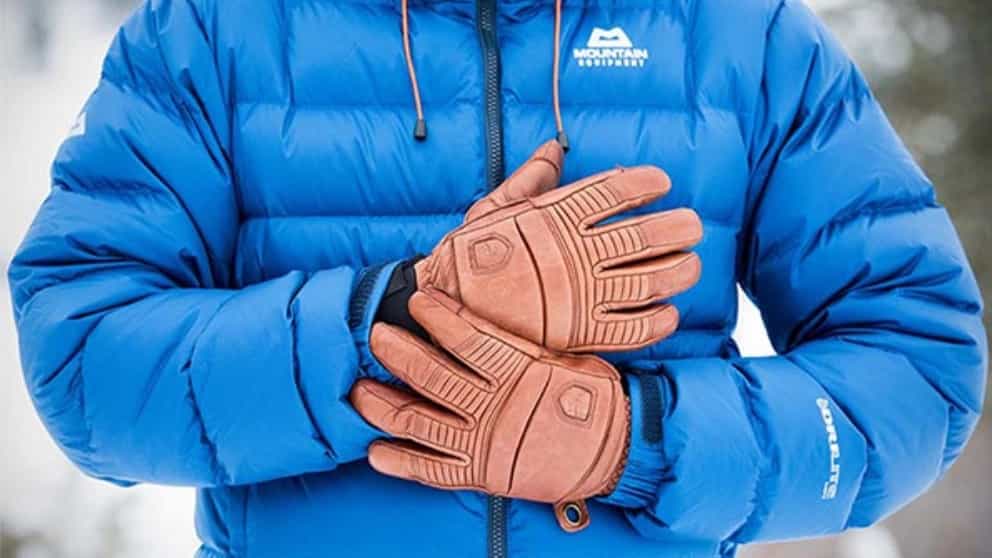
Buying a mountaineering sleeping bag is one of the most important stages of preparation for nature trips, camping and mountain climbing. When you plan to spend the night in high altitudes, cold regions or environments far from urban facilities, choosing a suitable sleeping bag can have a direct impact on the quality of your rest, energy conservation and physical fitness. In such a situation, only having warm clothes is not enough; Rather, you should use a set of appropriate equipment to protect against the cold.
When buying a climbing sleeping bag, many people first pay attention to the appearance of the product and the cost of its preparation; While features such as temperature range, type of insulation, weight, packaging dimensions and conditions of use are also very important. Choosing a product that is compatible with the type of activity and the weather conditions of the destination can create a safer and more enjoyable experience of being in nature.
Besides choosing a sleeping bag, it is also necessary to pay attention to other heating equipment for mountaineering. Multi-walled climbing heating equipment can be considered as one of the important issues in the preparation process for cold trips. Conscious selection of equipment, recognition of real needs and correct use of heating devices all play a role in better management of environmental conditions.
In this article, we examine the most important points related to buying a mountaineering sleeping bag, the features of a suitable product, types of insulation, maintenance principles and the importance of choosing multi-walled mountaineering heating equipment, so that you can make a decision according to your travel plan.
What does it mean to buy a climbing sleeping bag at a reasonable price?
When it comes to buying an affordable hiking sleeping bag, it's not just about choosing a product that costs less. A good choice should balance build quality, performance, durability, weight and the actual needs of the user. Sometimes an economic sleeping bag is perfect for summer programs and camping in temperate regions; But the same product may not perform well for staying at night in cold altitudes.
To make a better choice, you need to first determine what type of activity you need the sleeping bag for. Multi-day mountaineering, family nature tourism, car camping and winter climbing, each has different conditions. Therefore, buying a climbing sleeping bag should be done based on the type of trip, the possible temperature of the environment and the amount of portable equipment.
Meanwhile, checking different products and comparing their technical features will help you avoid paying for unnecessary features. Also, paying attention to the quality of the zipper, stitching, outer fabric and insulation structure can be effective in increasing the useful life of the product.
The most important features of a suitable mountaineering sleeping bag
1. Sleeping bag temperature range
One of the main criteria in buying a mountaineering sleeping bag is its temperature range. This characteristic indicates the conditions in which the product is designed to be used. Of course, the feeling of cold is not the same in different people, and factors such as physical condition, fatigue, humidity level and type of mattress also affect the sleep experience.
It is better not to limit yourself to titles such as winter, three seasons or summer when choosing a sleeping bag. Examining the technical specifications and distinguishing the comfort temperature from the limit temperature is important in making an informed choice. For cold applications, a product whose performance range is compatible with the actual conditions of the destination will be a more logical choice.
Also, it should be noted that the sleeping bag alone does not replace all protective equipment against the cold. Insulation underlay, appropriate clothing and moisture management also play a role in keeping warm. The correct combination of these devices improves the performance of the sleeping equipment set.
2. Type of insulation and degree of heat preservation
Sleeping bags are usually produced with insulation of artificial fibers or natural feathers. Each of these structures has its own characteristics, and the choice between them should be made according to the conditions of use.
Natural feather insulation usually has a good heat-to-weight ratio, and if it is of good quality, it is easily compressed. This feature is very important for climbers who have to carry their equipment in a backpack. However, moisture management in sleeping bags is very important; Because getting wet can reduce the performance of the insulation.
In contrast, synthetic fiber insulation is usually easier to manage in wet conditions and many models are easy to maintain. Despite this, their weight and packaging volume may be higher than filled products with similar thermal performance.
When buying a mountaineering sleeping bag, it is better to choose the type of insulation according to the weather, the length of the program and your ability to keep your equipment dry.
3. Weight and volume of packaging
The weight of equipment is very important for climbers who travel long distances. The heavier the backpack, the more difficult it will be to carry it on steep and long routes. For this reason, buying a lightweight mountaineering sleeping bag for multi-day programs can help you manage your load better.
Of course, weight loss should not be done at the cost of ignoring thermal needs. A light sleeping bag that is not suitable for the temperature of the destination is not a good choice. It is better to specify the required temperature range first and then find a model with suitable weight and volume among the compatible options.
The volume of the package is also effective in using the space of the backpack. A sleeping bag that occupies less space after compression allows for better organization of other items.
4. Design size and form
The sleeping bag should have enough movement space and at the same time, not create too much empty space around the body. A very large interior space may make it more difficult to heat the environment inside the sleeping bag; While too tight model can restrict movement and rest.
Bummy models are usually more compact around the body and are designed to reduce interior space and weight. Rectangular models have more room for movement and may be more comfortable for regular campers.
When buying a climbing sleeping bag, consider your height, shoulder width and type of use. Also, check that the zipper, cap and bottom part of the sleeping bag are designed in such a way that it is comfortable to use.
Types of sleeping bags based on weather conditions
Summer sleeping bag
Summer sleeping bags are designed for nights when the ambient temperature is relatively mild. These products usually have less weight and volume and are considered a suitable option for nature tourism in the hot season.
If most of your travels are in temperate regions, choosing a lightweight model can meet your needs. However, in mountainous areas, even the summer season may be associated with a noticeable drop in temperature; Therefore, it is necessary to check the night conditions of the destination.
Three season sleeping bag
The three-season sleeping bag is designed for a wide variety of spring, summer and fall trips. These products have good flexibility for people who do nature tourism throughout the year.
When buying a three-season mountaineering sleeping bag, you should pay attention to the actual temperature range of the product. All models in this group do not have the same performance and the difference in the type of insulation, cap design and sewing structure can affect the amount of heat retention.
Winter sleeping bag
A winter sleeping bag is designed for colder conditions and usually has more insulation, good protective construction and features to reduce heat loss. This group is especially important for trips where there is a possibility of a sharp drop in temperature.
In such programs, choosing a sleeping bag alone is not enough. Layered clothing, insulated bedding, proper shelter, and careful planning for emergencies should also be considered. The use of multi-walled climbing heating equipment, along with other necessary equipment, is an issue that should be investigated according to the type of product, manufacturer's instructions, and environmental conditions.
The role of multi-walled climbing heating equipment in cold journeys
On mountain trips, keeping warm is not limited to sleeping bags. Environmental conditions, wind, humidity and duration of being outdoors can increase the need for additional equipment. For this reason, knowing the right tools and how to use them correctly is part of planning for safe nature tourism.
Heating equipment for multi-walled climbing can be examined in the context of the need of climbers to consciously choose heating equipment and complete travel equipment. When choosing this equipment, the type of application, portability, conditions of use and safety requirements should be considered.
Appropriate equipment must be compatible with the environment in which it is used. For example, a device designed for outdoor use is not necessarily suitable for indoor or outdoor use. Some heaters run on fuel and may pose a risk of carbon monoxide poisoning, fire, or oxygen depletion. For this reason, it is necessary to follow the manufacturer's instructions and the limitations of using any device.
In the introduction of multi-walled climbing heating equipment, emphasizing the selection according to the needs, knowing the product features and paying attention to safety can help the audience to make a more accurate decision. It is also necessary to distinguish between ambient heating devices and sleeping equipment; Because each one has a different task and they are not substitutes for each other.
How to choose a sleeping bag and heating equipment?
To have a suitable sleeping system in nature, you need to check the set of equipment in harmony. Sleeping bag, mattress, clothing, tent and heating devices cover part of the travel needs. Choosing separately and regardless of the overall performance of these devices, may increase the weight of the load or create restrictions in use.
Selection of insulation underlay
A significant part of heat loss during sleep occurs through body contact with the cold surface of the earth. The right mattress can reduce heat transfer to the ground and improve the performance of the sleeping bag.
When choosing a mattress, in addition to weight and dimensions, pay attention to its thermal resistance. For overnight stays in cold areas, the right mattress is very important and should not be chosen based on comfort or portability.
Use suitable sleep clothes
Wearing dry clothes suitable for the ambient temperature can help to retain heat. Very tight clothing may limit air circulation and wet clothing can increase the feeling of cold.
It is better to change wet or sweaty clothes before entering the sleeping bag. Using dry socks and a suitable hat can also be useful in cold conditions. However, overly thick and restrictive clothing is not always a better choice and should be compatible with the environment and the interior of the sleeping bag.
Humidity management and ventilation
Humidity is one of the factors affecting the performance of sleeping equipment. Body sweat, breath vapor and contact with wet ground can lead to a decrease in insulation efficiency. Using the right cover, keeping clothes dry and properly ventilating the shelter will help manage these conditions.
If you use multi-walled climbing heating equipment or any other heating device in your travel plan, prioritize ventilation and following safety instructions. Never use a burning device in a tent or closed space in such a way that there is a risk of accumulation of toxic gases.
Important tips for buying a climbing sleeping bag at a reasonable price
Determining the need before purchase
Check your usual plans before choosing a product. If your travels are mostly in the warm season, you may not need a heavy winter sleeping bag. On the other hand, for high-altitude and overnight applications in cold conditions, the priority should be thermal performance and product compatibility with the environment.
Determining the real need makes your choice more targeted and separate unnecessary features from the main criteria.
Checking the quality of stitching and zipper
Improper stitching, weak zippers, or flimsy fabric can shorten the useful life of a sleeping bag. When checking the product, pay attention to the quality of the connections, the performance of the zipper, the uniformity of the insulation and the way the upper part is closed.
The presence of a suitable structure to prevent heat from escaping around the zipper can also be important in cold conditions. These details, along with the thermal characteristics, help to choose a reliable product.
Attention to maintainability
Prolonged compression of some sleeping bags, especially down-insulated models, can affect the volume and performance of the insulation. Storing in a dry place and using a suitable storage bag will help to increase the durability of the product.
Checking the validity of product specifications
When buying a hiking sleeping bag, compare the manufacturer's specifications with your needs. The information related to the type of insulation, temperature range, weight, dimensions and washing method should be clear and verifiable.
It is better not to make a decision only based on advertising terms. Examining the technical description and knowing the limitations of the product reduces the possibility of inappropriate selection.
Proper maintenance of the sleeping bag to increase its useful life
Proper sleeping bag maintenance is a part of managing the costs of climbing equipment. A product that is properly cleaned and dried will usually last longer.
After the trip, check the sleeping bag for moisture, dirt and possible damage. If the product is wet, dry it completely according to the manufacturer's instructions. Keeping a sleeping bag in a humid environment can cause an unpleasant smell and damage to the internal materials.
For washing, you must also follow the specific instructions of the same product. Using the wrong detergent, very hot water or improper drying method may damage the fabric or insulation.
At the time of transportation, protect the sleeping bag from sharp objects, moisture and dirt. If you also use other walled climbing heating equipment, store it according to the manufacturer's instructions and transport the fuel equipment safely and separately from sleeping equipment and flammable materials.
The importance of choosing multi-walled climbing heating equipment to complement the travel equipment
Preparation for mountain trips has a better result when the equipment is selected based on the actual need. A suitable sleeping bag, insulating mat, dry clothing and a suitable shelter are the main foundations of a reliable sleeping system. In addition to these cases, checking the multi-walled climbing heating equipment can be a part of the process of knowing the additional equipment needed for the trip.
When reviewing this equipment, pay attention to the technical specifications, type of application, portability and safety instructions. Clear and practical information about how to use the product helps buyers to choose a more suitable option for their application.
The introduction of multi-walled climbing heating equipment in the content related to the purchase of a climbing sleeping bag will be more effective when it focuses on the real needs of the audience. Explaining the relationship between weather conditions, the type of sleeping bag and additional equipment, helps the audience to prepare a practical and coordinated set instead of making a hasty choice.
summary
Purchasing a mountaineering sleeping bag at the right price depends on knowing the real needs, checking the technical specifications and comparing the features of the products. Temperature range, type of insulation, weight, packaging volume, size and quality of construction are the most important criteria that should be checked before choosing.
To achieve a better result, it is necessary to evaluate the sleeping bag along with the mattress, suitable clothing and shelter conditions. Also, proper maintenance and protection of equipment against moisture can increase their useful life.
In cold weather programs, paying attention to multi-walled climbing heating equipment can also be part of the process of completing the travel equipment; Of course, any device should be used only in permitted conditions and according to the manufacturer's instructions. Safety in closed environments and preventing the risk of carbon monoxide poisoning is particularly important.
Finally, the right choice happens when quality, performance, usage conditions and safety are checked side by side. By considering these principles, you can make an informed decision to buy a mountaineering sleeping bag and choose the equipment you need according to the type of trip and environmental conditions.
