
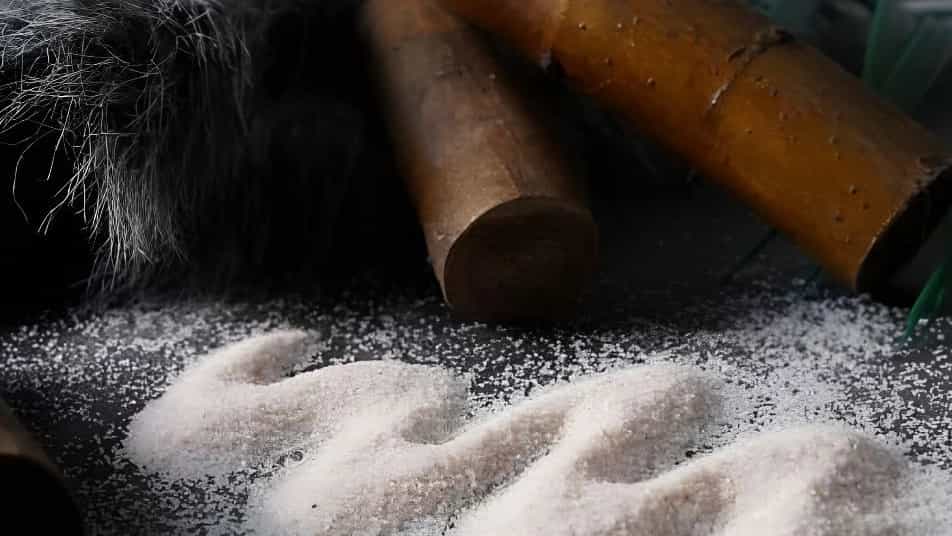

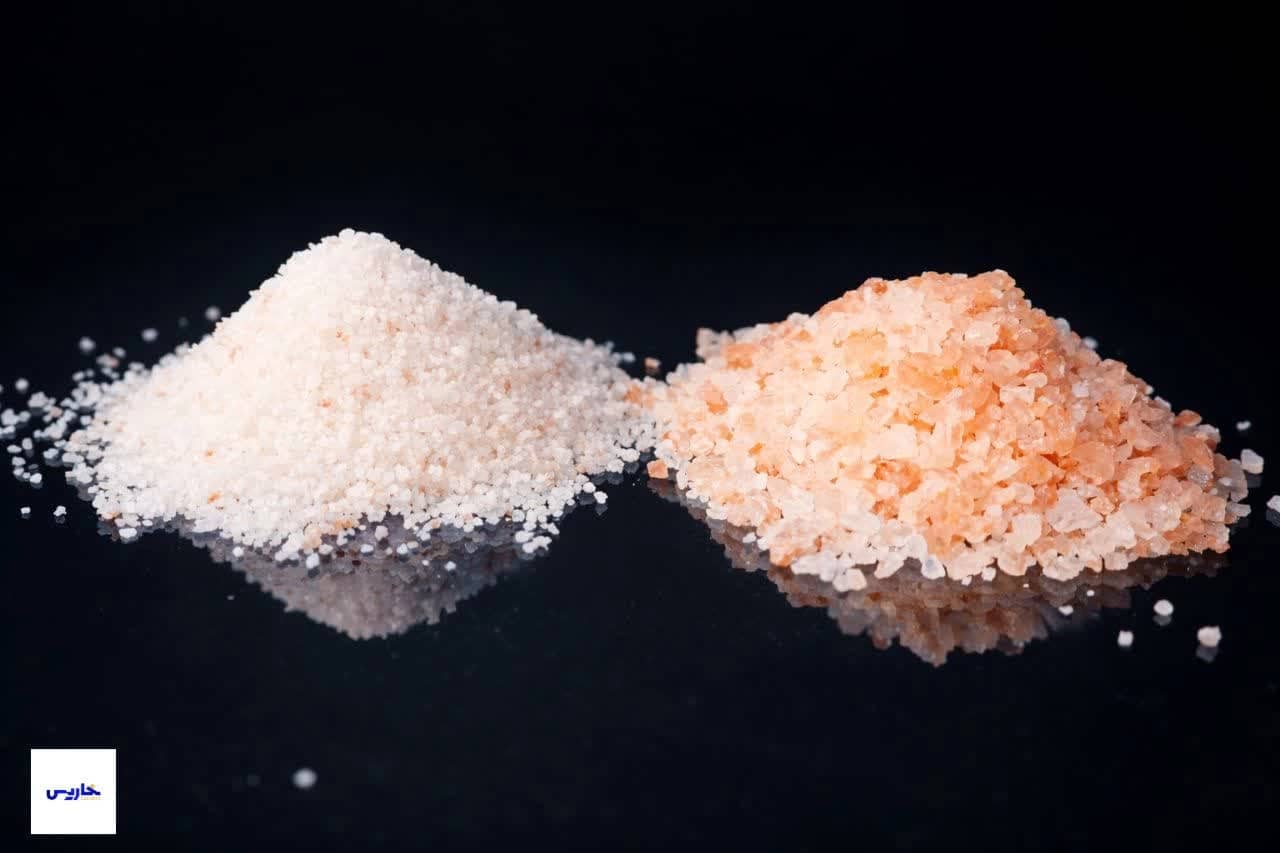
Mineral orange salt is a natural halite with the chemical formula mostly sodium chloride (NaCl), which is transparent to dark orange in color due to the presence of hematite (iron oxide) mineral inclusions and high concentration of low-value elements such as potassium, magnesium and calcium. This material is extracted from the geological layers of ancient periods and, in addition to stable sodium purity, without any chemical additives, it is used in special food uses, livestock salt licks and decorative-therapeutic applications. The variety of its color spectrum is directly related to the degree of iron oxidation and the heterogeneous distribution of mineral crystals in the depth of the deposit.
In our laboratory evaluations and field experiences in the extraction of salt veins, the first point that attracts attention in separating the original mineral salt from the manipulated or industrial samples is the fracture structure and the way light is emitted in the crystals. Natural orange rock salt lacks complete color uniformity; This means that the color concentration is variable along the crystal's torq planes, and if it is dissolved in clear water, it does not make the water colored or cloudy.
Physical characteristics of mineral orange rock salt
The crystal structure of orange salt is based on the cubic lattice of the halite mineral. The specific weight of this mineral is measured in the range of 2.1 to 2.2 grams per cubic centimeter, and its hardness is about 2.5. This crystalline structure makes the mechanical resistance of the stone controllable during wear and chipping in waltz machines, although brittleness occurs along parallel surfaces.
Analysis and chemical properties of orange salt
The basic composition of this rock salt consists of sodium chloride, which usually has a purity between 95 and 98%. The fundamental difference between this salt and factory-refined white salt is the amount of insoluble ash and traces of natural micronutrients. The presence of iron, copper, zinc and calcium ions regulates the osmotic balance of its chemical compounds.
In solubility tests, this crystal shows a behavior equivalent to 35.7 to 36 grams per 100 milliliters of water at a temperature of 20 degrees Celsius. Due to the natural bonding of rare elements within the crystal lattice, the release of ions is gradual. The non-use of bleaching chemical processes and anti-caking stabilizers such as potassium ferrocyanide in the extraction of this type of salt preserves its natural purity for sensitive uses.
Comparison of mineral compounds in the crystal texture
The element of iron in the form of Fe2O3 is the distinguishing factor of this mineral. The presence of potassium (K+) and magnesium (Mg2+) cations is recorded with variable percentages between 0.05 and 0.3% by mass. Sulfur and sulfates are also found as sediment accompanying phases in very small amounts that do not have a negative effect on the quality of final consumption, provided that the percentage of insoluble ash of the total particles remains below the permitted quality control standards.
Factors affecting color diversity and orange spectrums
The orange color of this salt is in no way caused by organic pigments, ancient chlorophylls or synthetic dyes. The key factor in the formation of peach-orange to brick-orange spectrums is the very small particles of hematite, which are trapped in the heart of the halite network at the same time as the water of ancient lakes evaporates.
The amount of natural radioactive radiation of bedrock layers in geological ages has also affected the crystal lattice and by moving the electrons in the color centers of the crystal (F-centers), it has changed the intensity and warmth of the orange color. The greater the depth of the mineral vein and the heavier the pressure of the upper layers, the denser the size of the distributed hematite particles and the darker and more transparent the color output will be. In contrast, extraction from surface weathered sections leaves darker outputs with a light, creamy color theme.
Industrial, food and health applications of orange salt
The quality and structure of this stone has made it a productive choice for various commercial and production purposes:
Food processing industries and luxury edible salt
This salt is used in the processing of protein materials, the production of dried meat products, and the industry of natural seasonings, due to the presence of complementary micronutrients with the taste of meat. Due to the presence of calcium and magnesium, its taste does not have the sharp bite of pure sodium chloride industrial salts and creates a milder aftertaste.
Production of supplements and lick blocks for livestock and poultry
One of the widely used operational areas is the production of compact mineral blocks for dairy and meat farms. Based on the instinctive mechanism of solute deficiency, livestock consume these blocks without the risk of severe sodium poisoning. The elements of iron and magnesium in the base of the deposit cover the blood and digestive needs of the animal.
Spa products, bath salts and therapeutic uses
Due to its osmotic property and rich content of salts, the small pieces of this salt are used in the production of skin scrubs and bath salts. In salt cave rooms and halotherapy equipment, granulated orange salt flakes are used to improve air circulation and ion exchange.
Quality and technical challenges in supplying mineral orange salt
In the domestic rock salt market, ensuring uniformity of granulation and preventing mixing of clay veins with the main deposit is a big challenge. Clay deposits stuck to the walls of the mine, in case of carelessness during the manual extraction and sorting stage, enter the crushing line and contaminate the output load.
Controlling the amount of relative humidity during sorting and packing is vital; Due to its active crystal structure, orange mineral salt tends to undergo surface ion exchange in contact with humidity of more than 70%. Maintaining the warehousing chain in dry and isolated environments and using dust removal equipment in the stone crushing stages is the only practical solution to stabilize the product quality for the target markets and factories of the consumption chain.
