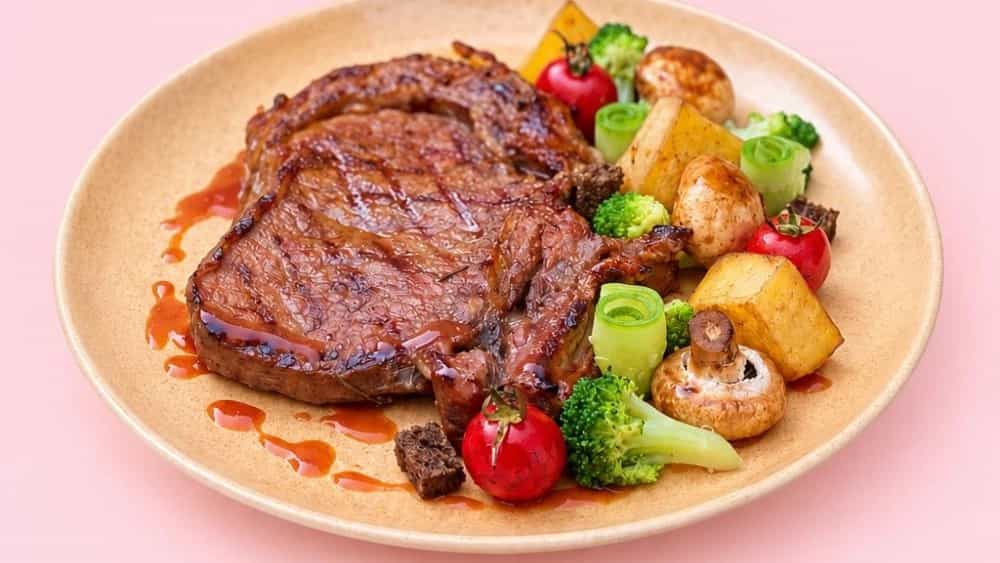

Achieving a juicy steak with a tender texture and a sauce that deepens the flavor of the meat requires careful temperature control and Mayard reaction management. Contrary to the public perception that steak cooking is a sensory process, this work is actually a chemical process that begins with choosing the right thickness (at least 2.5 cm) and carefully controlling the internal temperature of the meat. In the following, we will examine the method that Paniz uses to achieve the buttery texture and caramel flavor in his steaks.
Why is the thickness of the meat the key to staying juicy?
The biggest mistake of home cooks in cooking steak is using thin slices. When the thickness of the meat is less than 2.5 cm, before the surface of the meat reacts (caramelization of proteins), the heat penetrates to the center and the internal moisture evaporates. At Paniz, we suggest using "rib-eye" or "t-bone" cuts with a thickness of at least 3 cm. This volume of meat allows the surface to be crispy and roasted at high heat, while the center remains pink, tender and juicy. Resting the meat after cooking (about 5 to 10 minutes) is also an unavoidable process that causes the meat juice to redistribute in the middle tissues.
Heat management and Mayard reaction on meat surface
The Mayard reaction is the magic of the aroma and the dark brown color of the steak surface that creates the original flavor. The pan must be very hot to activate this reaction. The best option is to use a cast iron pan that has a high heat capacity. The meat must be completely dry before entering the pan; Moisture on the surface of the meat is the main enemy of roasting, as the temperature will not reach the point of caramelization until the water on the surface evaporates. The oil used should not be extra virgin olive oil, because it has a low smoke point. Use oils with a high smoke point, such as grapeseed oil or refined vegetable oils, so that the burnt taste does not transfer to the meat.
The formula for making a special sauce with a restaurant taste
Steak sauce should not cover the main flavor of the meat, but should complement it. The best sauce is a sauce that is prepared directly in the pan in which the meat was cooked (after removing the meat) to absorb the caramel extracts stuck to the bottom of the pan (Fond). To prepare this sauce, after removing the meat, add a crushed garlic clove to the pan along with a little vegetable or animal butter and a small amount of balsamic vinegar or thick broth. Using a wooden spoon, dissolve the dark extracts from the bottom of the pan into the butter and allow the sauce to thicken. This sauce contains all the concentrated flavors of meat that have been released by high heat.
Cooking degree | Internal temperature (°C) | Texture and flavor status |
Rare | 50 - 52 | Completely red and cold center, very delicate texture |
Medium Rare | 54 - 57 | Warm and pink center, the most juicy standard mode |
Medium | 60 - 63 | Pale pink center, more cohesive texture |
Medium Well | 65 - 68 | Grayish center, noticeable reduction Broth |
Well Done | above 71 | completely brown, firm and dry texture |
"Basting" technique to penetrate the flavors
Basting technique is the main difference between regular home steak and professional steak. In the last two minutes of cooking, throw a piece of cold butter into the pan along with two sprigs of fresh rosemary and two cloves of peeled garlic. When the butter foams and begins to bubble, with a large spoon, continuously pour the hot, fragrant butter over the surface of the steak. This allows the rosemary and garlic flavors to penetrate the outer layers of the meat, giving the steak a wonderful shine and rich flavor. At this point, be careful not to burn the butter; If it becomes too dark, reduce the heat immediately.