

In many production units, accurate temperature control is one of the determining factors of product quality and equipment performance. From plastic injection machines and packaging machinery to oil tanks, furnaces and heating systems, they all depend on the right equipment to provide the heat they need. One of the most important of these equipments is the thermal element.
But when buying an industrial element, you should not only pay attention to the consumption power or the price of the product. Two elements may be completely similar in appearance, but due to the difference in sheath material, type of resistance wire, power density and internal structure, they have different performance and lifespan.
Incorrect selection can increase electricity consumption, premature burning of the element, damage to the device and even stop the production line. Therefore, before ordering, the actual conditions of using the product should be checked.
In this article, we will help you to make a choice according to the needs of your collection by knowing the types of elements, checking technical specifications, comparing applications and factors affecting the price.
What is an industrial element and how does it work?
An industrial element is an electrical component that converts electrical energy into heat energy through electrical resistance. When the electric current passes through the resistance wire, heat is produced and this heat is transferred to the environment, fluid or surface.
In the structure of many elements, resistance wires such as nichrome are used. This wire is placed inside the thermal insulation and protective sheath to avoid direct contact of electrical components with the environment while generating heat.
Depending on the type of application, the design of the element can be different. For example, the element used in a water tank is not the same as the element installed inside the mold of the plastic injection machine, in terms of dimensions, body material and heat transfer method.
For this reason, the purchase of an industrial element should be based on the working conditions of the device, not just the name of the product.
Types of industrial elements and the use of each
One of the most important stages of choosing a product is knowing the different models of the element. Each model is designed for certain conditions and using the wrong option can reduce the efficiency of the system.
1. Industrial rod element
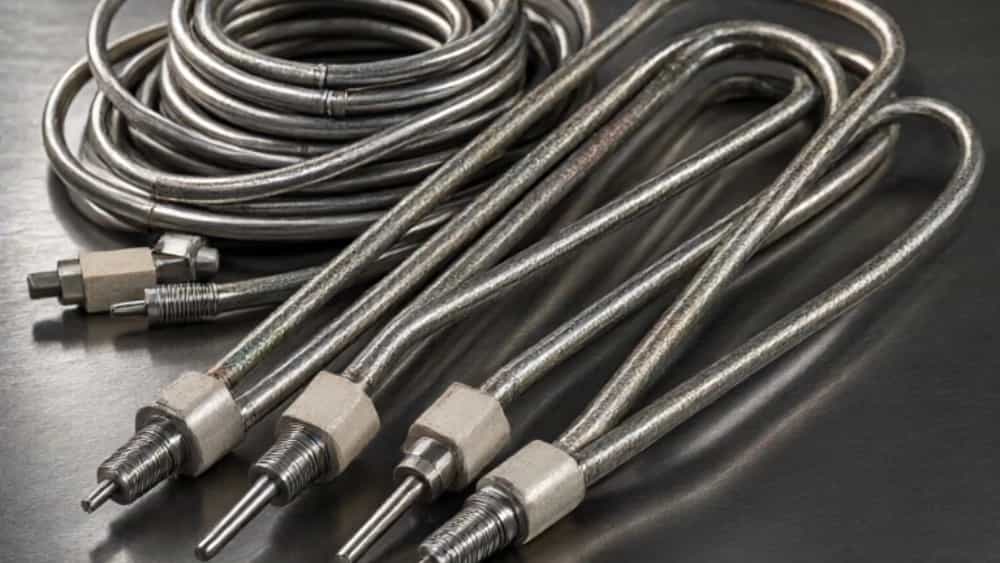
The rod element is one of the most widely used thermal models, which usually consists of a metal tube, resistance wire and internal insulation.
This model can be designed in straight, U-shaped and customized forms and is used in many industrial equipments.
Applications of rod element:
- Heating water and oil tanks
- Industrial heating equipment
- Packaging devices
- Production machinery
- Heating systems and dryers
If you are looking for a multi-purpose product with the ability to customize, this model can be a good choice.
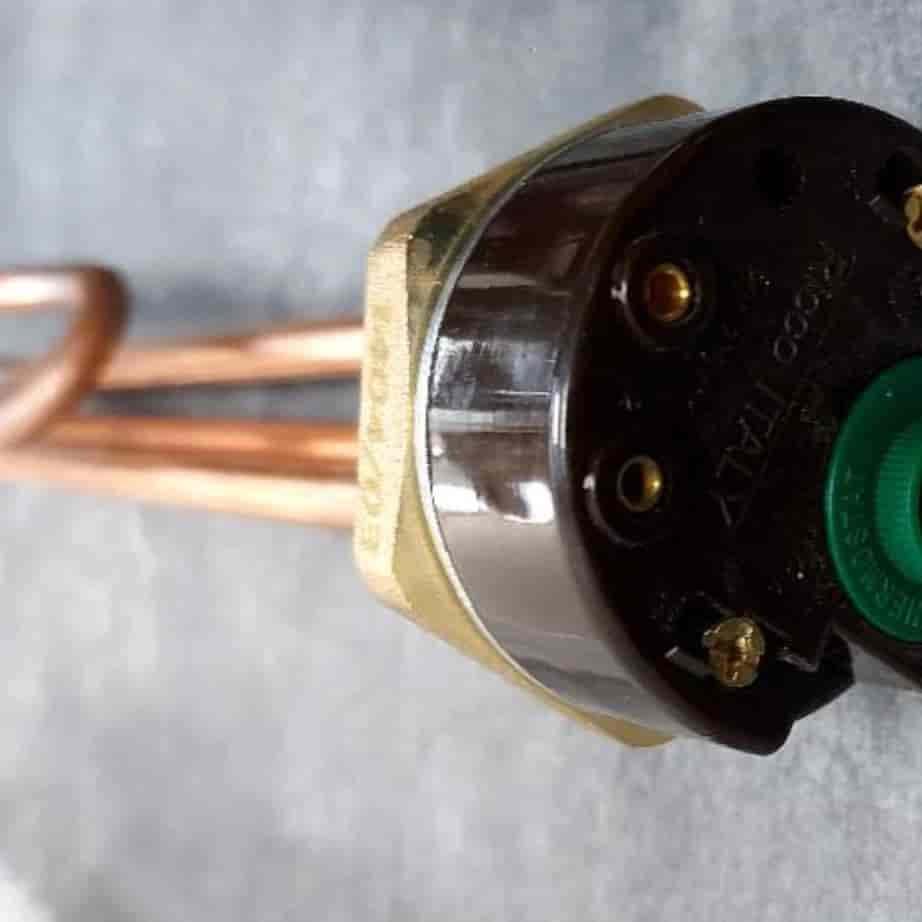
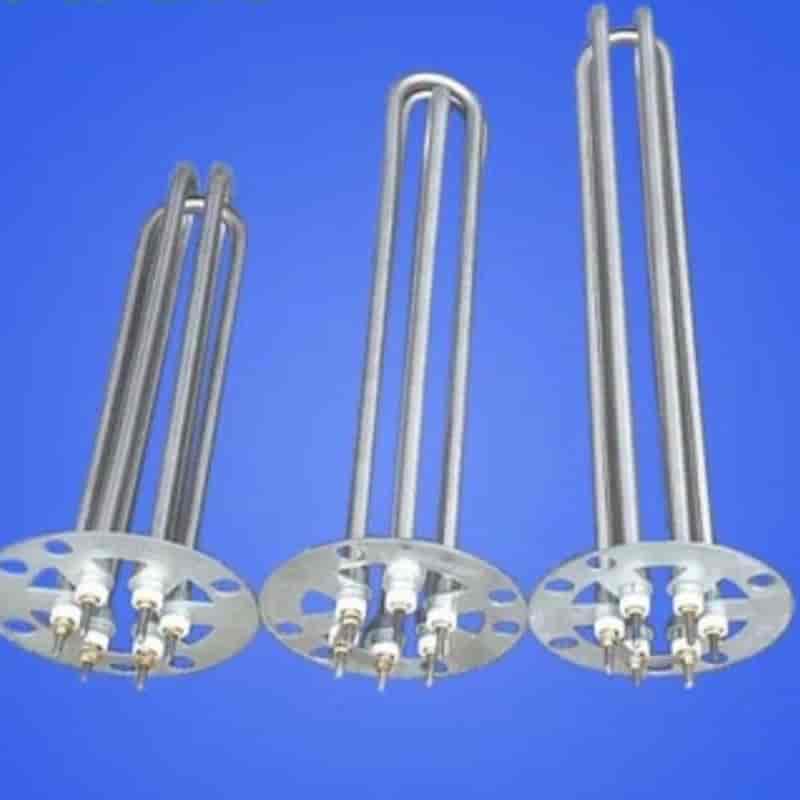
2. Flanged element
The flanged element is designed to heat a specific volume of liquids in industrial tanks. In this model, several thermal plugs are connected to a flange and the assembly is installed on the tank through the flange connection.
The main advantage of this structure is the possibility of relatively reliable installation and direct transfer of heat to the fluid.
Usages:
- Industrial water tanks
- Oil tanks
- Industrial washing equipment
- Fluid heating systems
- Chemical and manufacturing industries
When ordering this product, you should pay attention to the material of the flange, the number of branches, dimensions, power and resistance of the sheath against corrosion.
3. Cartridge or cartridge element
The cartridge element is made in a cylindrical shape and is used to transfer heat to metal parts and molds.
This model is usually placed inside a hole with a certain diameter and due to its compact structure, it is very suitable for limited spaces.
Main applications:
- Plastic injection machines
- Industrial molds
- Packaging equipment
- Parts production machines
- Local heating systems
When buying an industrial cartridge element, the compatibility of the diameter of the element with the installation location is very important. Also, the length of the heater, power, voltage and the way the wires exit must be specified exactly.
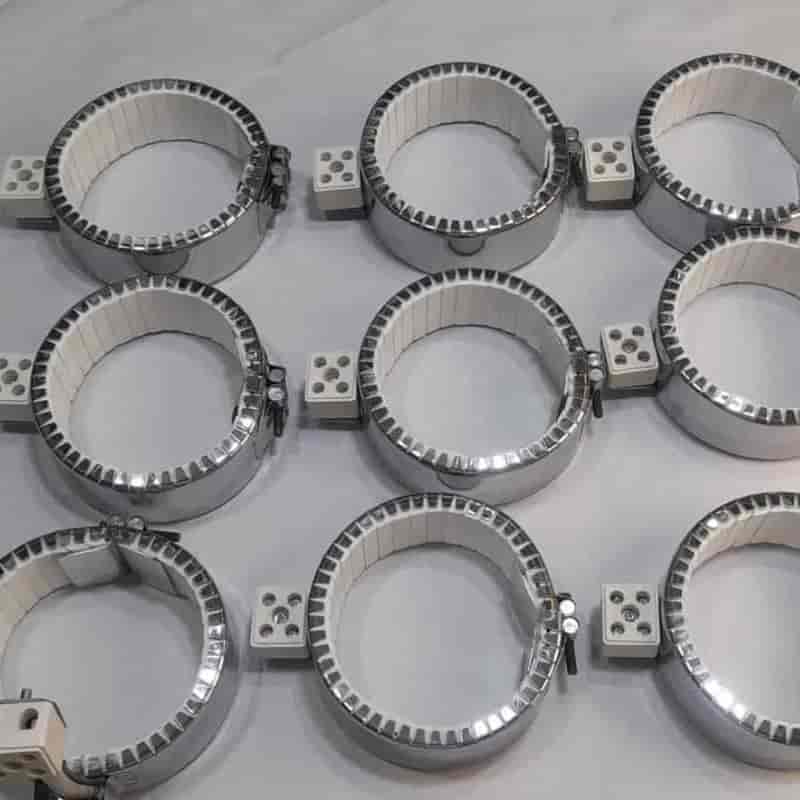
4. Ceramic element
Ceramic element is used for applications that require surface heating and proper thermal resistance.
This product is produced in different models such as belt and plate, and in some industrial equipment, it transfers heat more uniformly to the desired surface.
Usages:
- Plastic injection machines
- Extruders
- Heating equipment
- Packaging machines
- Industrial devices requiring surface heating
At the time of choosing this model, the dimensions, power, voltage and installation method must match the specifications of the device.
5. finned element
The finned element has metal fins around the heat pipe. This design increases the contact surface with air and helps to transfer heat better.
This model is mostly used for air heating and use in ventilation systems and heating equipment.
Uses:
- Industrial heaters
- Drying devices
- Ventilation systems
- Hot air ducts
- Air heating equipment
Comparison table of types of industrial elements
Element type | Main use | Important feature |
|---|---|---|
Bar | Water, oil and industrial equipment | Variety in shape and dimensions |
Flanged | Tanks and fluids | Installation on the tank |
Cartridges | Mold and metal parts | Local heating |
ceramic | surfaces and cylinders | surface heating |
finned | air and Ventilation equipment | increasing the level of heat transfer |
The most important points when buying an industrial element
In order for the selected product to be compatible with your device, you should check some technical specifications before placing an order.
1. Element power based on thermal demand
The power of the element is determined by the unit of watt or kilowatt and indicates the amount of electrical energy consumed per unit of time.
Choosing a lower power than the device needs, makes the system need more time to reach the desired temperature. On the other hand, excessive power can also increase the local temperature, damage the part and reduce the useful life.
Therefore, the power should be calculated based on the volume of the material, the initial temperature, the final temperature, the duration of heating and the amount of heat loss.
2. Voltage and type of electricity used
One of the common mistakes in ordering the element is not paying attention to the voltage of the device.
Elements may be designed for single-phase or three-phase electricity and different voltages. Choosing the wrong voltage can disrupt the product's performance or cause damage to electrical equipment.
Before buying an industrial element, check the voltage listed on the device nameplate and the specifications of the electrical system.
3. Sheath material and corrosion resistance
The type of outer sheath plays an important role in the lifetime of the element. This part must have enough resistance against working temperature, humidity and environmental conditions.
For example:
Of course, the final choice should be made based on the chemical composition of the fluid, temperature and actual working conditions.
4. Dimensions and installation space
Length, diameter, thickness, appearance and type of connections must match the installation location.
Even a slight difference in the diameter of a cartridge element may cause improper installation or poor heat transfer.
When ordering a custom element, it is better to provide the manufacturer with a map of the installation location or a sample of the previous product.
5. Operating temperature and power density
Working temperature determines the range in which the element should operate. Besides that, power density is also important.
Power density refers to the amount of power produced relative to the heated surface. If this value is too much for the intended environment, there is a possibility of creating hot spots, increasing thermal stress and early failure.
For this reason, the selection of elements for water, oil, air and metal mold should be done with appropriate calculations for the same application.
6. Type of terminal and control equipment
How to connect the electricity and control the temperature should also be clear from the beginning.
Some applications require a thermocouple, thermostat, or temperature controller to keep the system temperature within a specified range.
Using appropriate control equipment, in addition to improving performance, can prevent unwanted temperature increase.
The price of an industrial element depends on what factors?
One of the important questions of buyers is the cost of providing the element. The fact is that the price of an industrial element depends on its technical specifications and manufacturing conditions, and a fixed rate cannot be considered for all models.
The most important price determining factors are:
Type of element: rod, flanged, cartridge and ceramic models are different in terms of structure and raw materials.
Power and voltage: Thermal capacity and electrical design of the product affect the final cost.
Dimensions and size: Length, diameter, thickness and bending shape are effective in pricing.
Sheath material: Using alloys that are more resistant to heat or corrosion can increase the manufacturing cost.
Type of connections: Flange, thread, terminal and customized connections have an effect on the final price.
Order quantity: Ordering a higher quantity may reduce the finished cost of each piece.
Customization: The production of the element according to the plan, sample or special conditions of the device, needs more investigation and design.
To get an accurate price, it is better to tell the seller the technical specifications of the product and not to make a decision based on the price of a similar sample.
Is it better to buy a ready-made industrial element or to order custom-made?
This issue depends on the type of device and the degree of compatibility of the available products with your needs.
If your device uses a standard element and the dimensions, power and voltage of the product are available in the market, buying a ready-made model can be faster and more economical.
But if the device has a special design or the previous element does not match the existing samples, ordering custom-made will be a more logical choice.
In the custom order, you can specify the following:
- Required power and voltage
- Product length and diameter
- Sheath material
- Appearance and number of bends
- Connection type
- Working temperature
- Environmental conditions
- Temperature control type
The important thing is that customization doesn't just mean resizing; But the thermal performance of the product should also be coordinated with the conditions of the device.
Common mistakes when buying a heating element
Sometimes the cost that is paid to buy a cheaper product will eventually be multiplied due to the failure and stoppage of the device.
To avoid this problem, avoid the following mistakes:
How to choose a reliable seller to buy industrial elements?
Choosing the right seller is as important as choosing the product itself. A professional supplier should be able to advise the buyer in choosing technical specifications in addition to supplying ready-made products.
When choosing a supplier, pay attention to these things:
- Providing transparent technical specifications for products
- Possibility of producing customized dimensions and power
- Using raw materials suitable for the application
- Technical response before placing an order
- Declaring warranty conditions and after-sales services
- Providing pre-invoice and specific delivery time
It is better to check the product information and terms of use with the technical experts of the collection before finalizing the purchase.
Industrial element order checklist
In order not to send incomplete information when inquiring about the price, have this list ready:
Specifications | Required information |
|---|---|
Type of element | Rod, flanged, cartridge and etc. |
power | watt or kilowatt |
voltage | single phase or three phase and quantity Voltage |
Dimensions | Length, diameter and thickness |
Sheath material | Steel, incolu or suitable material Other |
Working temperature | Required temperature of the device |
Use environment | Water, oil, air or surface Metal |
Type of connection | Wire, terminal, thread or flange |
Quantity | Quantity Required |
Sample | photo, map or previous element |
If you don't have complete technical information, sending a clear photo of the previous item with dimension measurements can help with the initial check.
Why choosing the right element reduces production costs?
The right element is not only responsible for producing heat; Rather, it affects the performance quality of the entire system.
When the product is selected based on the actual condition of the device, it will be possible to achieve the following:
- Decreasing the possibility of premature failure
- Improving temperature control
- Preventing unnecessary stops of the production line
- Reducing the cost of repair and replacement
- Increasing the stability of the thermal process
- Optimal use of electrical energy
For this reason, when buying an industrial element, you should check the initial cost along with useful life, construction quality and maintenance costs.
summary; What is the best choice for buying an industrial element?
Choosing the best element depends on the type of application, required temperature, power, voltage, sheath material, dimensions and environmental conditions. No single model is suitable for all devices.
If you need product to heat the tank, a flanged element may be the right choice. For industrial molds, the cartridge element is more useful, and for air heating, the finned model can provide better performance.
We recommend that you check the specifications of your device before placing an order and ask the seller about the raw materials, actual power and suitability of the product for working conditions.
To buy an industrial element suitable for your device, prepare the technical specifications, dimensions or image of the previous element right now and proceed to receive expert advice and price inquiry. Making the right choice today will prevent additional costs tomorrow.
Frequently asked questions about buying industrial elements
1. What specifications should we have to buy an industrial element?
In order to choose correctly, the type of element, power, voltage, length, diameter, sheath material, working temperature and usage environment must be known. If you do not have complete technical information, provide the seller with a photo of the previous product and the dimensions of the installation site for review.
2. How is the price of an industrial element calculated?
The price is determined based on the type of element, power, voltage, dimensions, sheath material, type of connections, quality of raw materials and customization of the product. To know the exact price, you must inform the seller of the required technical specifications.
3. Which type of industrial element is more suitable for my device?
This issue depends on the use of the device. Flanged element is used for many tanks, cartridge element for molds and finned element for air heating. For a more accurate selection, working temperature, installation space, type of material and environmental conditions should be checked.
همین حالا با ما تماس بگیرید و از مشاوره رایگان بهر
خرید المنت صنعتی