
Hot water is one of the main needs in residential buildings, commercial units and many industrial environments. In electric water heaters, a part called element is responsible for converting electrical energy into heat and heating water. The correct operation of this part has a direct effect on the speed of water heating, energy consumption and the efficiency of the device.
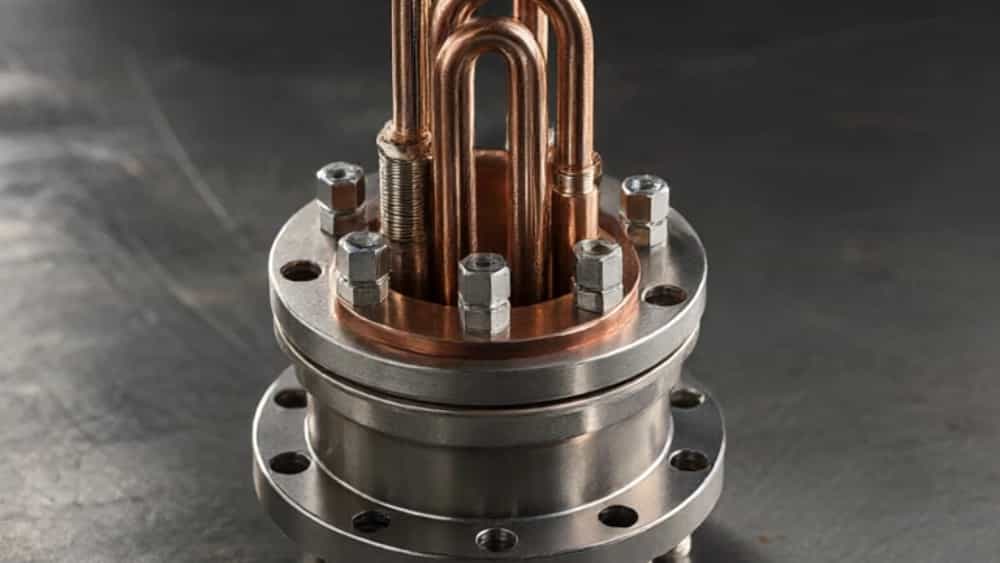
The electric element of the water heater is a thermal resistance that generates heat by passing the electric current and transfers it to the water inside the tank or thermal chamber. This part usually consists of resistance wire, electrical insulation and metal sheath resistant to heat and water contact conditions.
Besides the element, the thermostat also plays an important role. The thermostat controls the water temperature and when the temperature reaches the set range, it cuts off the electricity flow to the element. When the water temperature drops, the system is activated again to heat the water.
For this reason, choosing the right element is not only limited to its power, and the dimensions, sheath material, type of connection and its compatibility with the water heater should also be checked.
The main components of the electric element of the water heater
In order to make the right choice and better understand the performance of this part, it is important to know its components.
1. resistance wire
The resistance wire is the main part of heat production. This wire is usually made of resistant alloys such as nichrome, and by passing electric current, it converts electrical energy into heat.
2. Metal sheath
The outer shell protects the inner parts and transfers heat to the water. The material of this part can be selected from copper, steel or other alloys according to the usage conditions.
3. Internal insulation
In the construction of the element, heat-resistant electrical insulation is used so that the resistance wire is separated from the metal sheath and unwanted current does not transfer to the body.
4. Flange or threaded part
This part is used to install and connect the element to the water heater tank. The type of connection must match the bushing and installation location of the device.
5. The location of the thermostat
In many models, a compartment is considered for the placement of the thermostat rod or sensor to control the water temperature with proper accuracy.
Types of electric water heater elements and their differences
Not all water heaters use the same type of element. The difference in the design of the tank, the capacity of the device, the place of installation and the thermal power has made different models of this product to be produced.
1. Tank water heater element
This model is designed to heat the water inside the tank and is usually produced as a bent pipe with a threaded or flanged connection.
When choosing this type of element, the following should be checked:
- Volume of the water heater tank
- Required thermal power
- Diameter and length of the heated part
- Sheath type
- Type of connection to the tank
- Location of the thermostat
2. Wall water heater element
Wall-mounted water heaters usually have a limited installation space and their internal parts must be compatible with the design of the device.
In choosing the element of this model, in addition to power and voltage, dimensions, connection type and compatibility with the temperature control system are very important.
3. Ground water heater element
In some ground and tank water heaters, elements with different dimensions and thermal capacity are used.
These models may be designed to heat a larger volume of water; Therefore, the choice of power should be based on the manufacturer's specifications and the device's capacity.
4. Water heater screw element
Screw element is one of the common models for installation on the tank. In this structure, the thermal part is connected to a threaded base and is placed on the tank through a special bushing.
This model is used in many tank water heaters and it is possible to replace it if the connection and technical specifications match.
Comparison table of water heater element models
Type of element | Use | Important point in choosing |
|---|---|---|
Tank | Heating stored water | Tank capacity and volume |
Wall mounted | Wall mounted water heaters | Dimensions and connections |
Ground | Higher capacity tanks | Element power and length |
Screw | Installation on tank bushing | Thread size and sealing |
How many watts is the water heater element suitable for?
One of the most frequent questions of buyers is choosing the right power. The power of the element is specified by the watt unit and shows how much electrical energy the part consumes every second.
1500, 2000, 2500 and 3000 watt models can be seen in some market products; But these numbers do not mean that all these powers are compatible with every water heater.
To choose the right power, several factors should be considered:
- Water heater tank capacity
- Amount of hot water consumed
- Initial water temperature
- Required final temperature
- Expected time for heating
- Limitations of wiring and electrical circuit
- Technical specifications of the device
Important note: It is not recommended to install a higher power element just to heat the water faster. More power can increase the electrical load of the circuit and if it is not compatible with the design of the device, it can damage the wiring and control equipment.
Therefore, when buying the electric element of the water heater, base the power listed on the previous part or the specifications announced by the manufacturer of the device.
What is the difference between copper element and steel water heater?
Sheath type is one of the important factors in choosing the element. Copper and steel are materials that are used in making different models of water heater elements.
The copper element of the water heater
Copper has high thermal conductivity and for this reason it is used in some models of water heater elements.
The advantages of this model are:
However, the compatibility of copper with the chemical composition of water and corrosion conditions should be checked.
Steel water heater element
Steel element is produced in models with stainless steel casing. Its corrosion resistance depends on the steel grade and environmental conditions.
Among the features of this model, the following can be mentioned:
- Suitable resistance to corrosion in compatible grades
- Variety in design and dimensions
- Usability in different working conditions
- Customized production possible
Which model is better?
None of these two types can be considered the best option for all water heaters.
Water hardness, amount of solutes, working temperature, chemical conditions and tank design are effective in choosing the material of the casing. Therefore, it is better to check the material of the previous element and the conditions of use before ordering.
What factors does the price of the water heater electric element depend on?
The price of this product depends on its technical specifications, raw materials and design type. For this reason, two elements with the same appearance may have different prices.
The most important price determining factors are:
1. Sheath material: Copper, steel and different alloys have different prices and features.
2. Thermal power: The power and electrical design of the element are influential in the construction cost.
3. Product dimensions: Length, diameter and bending shape can change the final price.
4. Connection type: Threaded connection, flange and bushing size play a role in product design.
5. Quality of raw materials: The use of resistance wire and suitable insulation affects the cost and quality of construction.
6. Control equipment: The presence of a thermostat housing or safety sets can affect the price of the set.
To know the exact price, it is better to specify the model of the water heater, the required power, the sheath material and the type of connection.
If you intend to buy, you can send the image of the previous element or the specifications of your device to the sales experts so that the model compatible with your water heater can be checked and its price announced.
How to choose the right water heater element?
The correct choice is possible when the specifications of the part are in harmony with the design of the device.
Check the following before purchasing:
1. Voltage and power
The voltage and power of the element must be according to the specifications of the water heater. Arbitrarily changing these two characteristics can disrupt the device's performance.
2. Thread or flange size
If the thread of the element does not match the bushing of the tank, the installation and sealing will not be done correctly.
3. The length of the heated part
The element must be compatible with the internal space of the tank in terms of length and shape and should not collide with the wall or internal parts during installation.
4. sheath type
According to the quality of the water and the possibility of corrosion or sedimentation, select the appropriate material.
5. Thermostat compatibility
The installation location and dimensions of the thermostat sensor must be in harmony with the structure of the element and the control system of the water heater.
6. Build quality and safety
Electrical insulation, quality of connections and sheath health are some of the things that should be checked before use.
What are the signs of failure of the electric element of the water heater?
The element, like other consumable parts, may wear out or fail over time.
Knowing the signs of failure helps to diagnose the problem faster.
Not heating the water
If the water heater is on but the water is not heated, the element may be disconnected. Of course, failure of the thermostat, thermal fuse or electrical circuit can also cause such symptoms.
Extending the water heating time
Depositing on the surface of the element or reducing its performance may cause improper heat transfer and increase the water heating time.
Frequent power outages
If the power circuit is interrupted regularly while the water heater is running, there is a possibility of a fault in the element, wiring or protection equipment. Checking this situation should be done by a technician.
Water leakage from the joint
Washer failure, thread damage, or installation site corrosion can cause water leakage. In such a situation, the water heater should be disconnected from the electric circuit and the connection should be checked.
Abnormal rise in temperature
If the water overheats or the system does not shut off properly, there may be a problem with the thermostat or temperature control circuit.
Note: Any inspection, opening or replacement of the element must be done after a complete power cut, safe draining of water and by a specialist. Grounding and protective equipment should also be checked. Never turn on the water heater without water for testing.
Why does the water heater element deposit and how to increase its life?
One of the common problems in electric water heaters is the formation of sediment on the surface of the element.
Water has dissolved solutes and as a result of heating, some of these substances can accumulate as deposits on the internal surfaces of the tank and element.
These deposits may reduce the heat transfer and cause an increase in the surface temperature of the element.
To reduce problems caused by sedimentation, the following measures are useful:
- Take periodic service of the water heater seriously.
- Have a plan to check sediments according to the water quality.
- Use the element with the right material for the water conditions.
- Adjust the temperature of the device according to the consumption needs.
- Avoid turning on the water heater when there is no water.
- When replacing, also check the washers and connections.
Using high-quality parts and basic service can help increase the useful life of the collection.
What is the difference between a water heater element and a thermostat?
Sometimes users confuse element failure with thermostat failure, while these two parts have different functions.
Feature | Element | Thermostat |
|---|---|---|
Function | Heat generation | Temperature control |
Function | Conversion of electricity to heat | Disconnect and connecting the circuit |
Common failure | Circuit interruption or electrical leakage | Disturbance in temperature control |
Role In a water heater | heating water | preventing overheating |
In many water heaters, in addition to the main thermostat, there is also an independent thermal limiter, which is designed to increase safety in unusual conditions.
If a problem occurs, replacing the element without checking the thermostat may cause the original problem to remain.
Water heater element replacement guide
Element replacement is one of the common repairs of electric water heaters; But due to the direct connection of electricity and water, it must be done with safety principles.
The general work steps are:
Turning on the element before the tank is completely filled can cause the part to burn. For this reason, the step of filling the tank and controlling the performance must be done carefully.
Why is it important to buy a high-quality water heater electric element?
Choosing the right product is not just for heating water; It also affects the maintenance costs and long-term performance of the device.
An element that fits the specifications of the water heater can provide the following benefits:
- Proper heat transfer
- Working in harmony with the thermostat
- Reducing the possibility of failure due to wrong selection
- Better compatibility with the installation site
- Reducing replacement and repair costs
- More stable performance under standard working conditions
Of course, the lifespan of the element depends on the quality of water, the number of times it is used, the working temperature, the quality of construction and the way of maintenance.
Ordering and buying the electric element of the water heater from a reliable supplier
To buy this part, it is better to choose a collection that, in addition to supplying ready-made products, also has the ability to provide technical advice and provide customized models.
Before placing an order, pay attention to the following:
- Provide detailed technical specifications
- Variety in the material and power of the element
- Possibility of manufacturing according to the required dimensions
- Quality of resistance wire and internal insulation
- Compatibility of thread and connections with the tank
- Transparency in price and delivery time
- Providing warranty and after-sales service
If the element you need is not available in the market, the possibility of making it according to the previous sample or technical drawing can be a suitable solution.
To get the price and choose the right model, just prepare the type of water heater, the required power, the material of the sheath and the image of the previous part. Sales experts can introduce the right option to you by reviewing this information.
summary; Which electric water heater element is right for you?
The element is one of the most important parts of an electric water heater, and its correct selection has a direct effect on the performance of the heating system.
In order to choose the right product, the power, voltage, sheath material, thread size, length of the heated part and compatibility with the thermostat should be checked.
Copper and steel elements each have special features, and the choice between them should be made based on water quality and conditions of use. Also, using higher power without checking the specifications of the device is not a good solution to increase the speed of water heating.
If you are looking to buy or order an electric water heater element, check the technical specifications of your device before placing an order.
Now proceed to inquire about the price, receive technical advice and order the element suitable for your water heater. With the right choice, reduce repair and replacement costs and have a more reliable operation of the device.
همین حالا با ما تماس بگیرید
المنت برقی آبگرمکن