
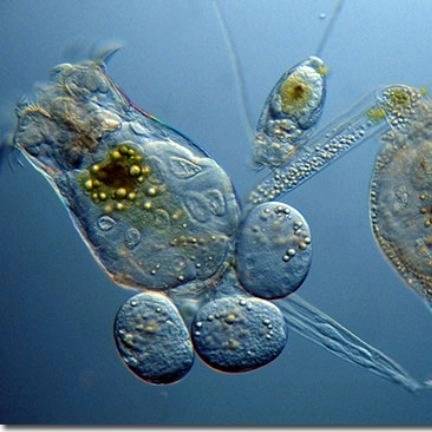

Saltwater Roter Cultivation Protocol (Brachionus Plicatiilis) for use in fisheries larvae
This protocol is designed to be applicable to both beginner and professional users.
Comprehensive Protocol of Brachionus Plicatiilis
1. Conditions of containers and culture medium
· Containers: Use plastic, glass or fiberglass containers, containers that do not leak chemicals.
· Recommended volume: 1 to 2 liters (for start, 1-5 liters are ideal).
· Figure of the container: preferably shallow and high cross -section (for better oxygen exchange).
· Preparation of the container: Before use, disinfect the container with hot water and vinegar or prithus acid and then rinse thoroughly.
1. Optimal environmental conditions
Parameter Optimized Explanation Explanation
temperature of 0-5 ° C, lower temperature (below 1 ° C) drastically reduces proliferation rate and higher temperatures (above 0.5 ° C) can cause crop loss.
Salinity 1-4 PPT, for clown larvae, the salinity of the roter cultivation with the larvae's salinity is essential.
pH 4.1 - 4.3 pH outside this range can be toxic to rotafers.
Hardness (alkalinity) 1-5 mg/l (as caco₃)
low hardness can cause fatal pH fluctuations.
indirect light (1–2 luxury) direct and intense sunlight causes the growth of annoying algae and overheating.
1. Aeration
· Importance: Mild aeration is vital to provide oxygen, flow of rotofer food and prevent the bottom of the container.
· Method: Use an Air Stone with fine bubbles. The aeration should be so mild enough to swim and not fall into severe water flow. Very severe aeration causes physical damage to rotafers.
1. Feeding & Enrichment
The goal is not just roter breeding, but enrichment (enrichment) to increase nutritional value.
Type of Food Method and the amount of use of nutritional value
Nanocleroopsis algae (nannochloropsis). Keep the water pale green (algae density: ~ 1 million cells per milliliter). If the water becomes transparent, it means low food. Providing omega-3 fatty acids (EPA) and pigment.
Bakers' Yeast Bread Supplement. To very low (about 2 grams per million rotors per day). Giving the yeast excessive contamination.
Breastfeeding Source of Protein and Vitamin B (but lacking EPA/DHA).
Probiotics added useful bacteria (such as lactobacillus) to the water. These bacteria help better digest food by rural and compete with harmful bacteria. Increases the stability of the cultivation and prevents the sudden crash.
You can use aquatic probiotics.
Enrichment powder (enrichment powder) should be added to the cultivation (according to product instructions). Such as: Selco, Superfresh, Spirulina algae. Enrichment with HUFAs (such as DHA, EPA), vitamins and minerals.
1. Minerals and additives
· Calcium chloride (cacl₂): 1-4 ppm to help the peeling process (Molt) and the growth of rotofers.
· Magnesium and potassium: There are usually enough in seawater, but should be added if used.
· iodine (iodine): A very small amount (1.2 ppm) can be useful.
1. Harvest Method for Nutrition of Country Larva
1. Final Enrichment: Nutrition with rich powders 1-5 hours before harvest. 2. Sign: Cross the cultivation from 2 micron filters to remove the rifles from the water. 2. Washing: Slowly rinse the removal of the collected with clean salty water (with the same salinity of the larva tank) to cleanse the remaining food and waste materials. Transfer: Gently the washed rotator to the clown's larva tank. 2. Nutrition: In the larvae tank, the roter density should be between 1 and 2 ml and maintained continuously.
1. Managing the cultivation and replacement of water
· Cultivation stability: To prevent the fall of the cultivation, never allow the roter density to exceed 2 ml. The ideal density for harvesting is 1-5 ml.
· Water Replacement: Work in the semi-a-crop method:
· · Replace the volume of water with clean salty water daily and replace the volume of water.
· This will remove waste material (ammonia, nitrite) and add fresh minerals.
· Cross the outlet water from a 2 micron filter to remove and rescue the removal router.
· re -cultivation: If the cultivation is outdated or its quality falls, the best way to set up a new cultivation of Gohar Biological Company is
1. Important Tips of Managing Roter Cultivation:
Problem Possible Cause Solution
Sudden decline in population (krash)
1. Low water quality (ammonia/high nitrite)
1. Oxygen deficiency
1. Contamination with parasite or harmful bacteria
1. Nutrition too much with yeast
Solution:
1. Instant replacement of 1 % water. Increase aeration. Start of new cultivation from pure calder. Cutting off yeast and increasing algae.
Cultivation of bad smells gives excessive nutrition and corruption of organic matter stopping, replacement of water and reducing food in the future
Rotifers swim slowly, low pH, low oxygen, or contamination of water parameters and replacement of it
population growth is slow:
1. Low temperature. Inadequate food. Crime. Increasing temperature. Increased nutrition with algae. Launch new cultivation
1. Golden Tips for Success
· Always have a backup cultivation in a separate container so you don't miss everything if there is a problem for the main cultivation.
· Record everything: Record your daily temperature, nutrition, roter density, and observations. This data is essential for troubleshooting and optimizing cultivation.
· Use pure and quality calories of reputable companies such as Gohar Biology. The basis of a successful cultivation is a healthy, free -free calcher.
· Wait! After the cultivation is set up, it takes 2-5 days for the population to reach the harvest. Do not rush and do not contaminate water in the early days.
With this protocol and the use of pure calories and support services of Gohar Biological Company, you will be able to provide a live, nutritious and sustainable food source for your valuable clown larvae that will dramatically increase their survival rate and growth.