
Tourniquet:
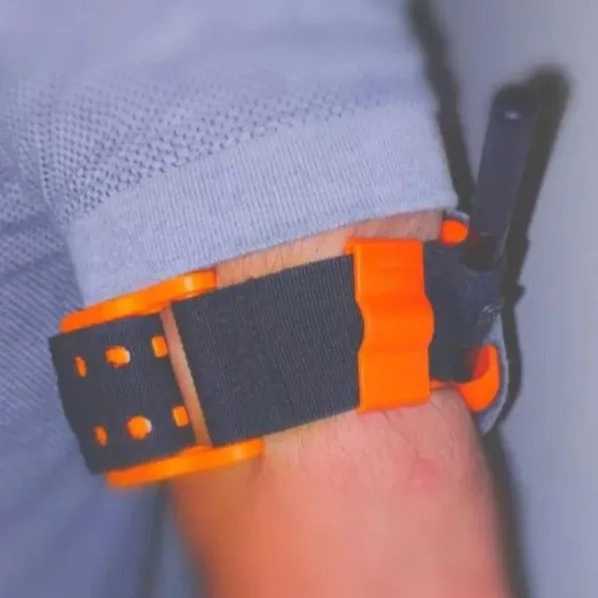
A tourniquet, tourniquet is a belt or band that is tied on a limb to prevent blood flow. By applying pressure on the skin, this device is able to temporarily stop the blood flow in that organ by blocking the arteries and veins and helps to reduce or stop bleeding. It is also used during orthopedic surgeries to prevent bleeding during surgery, and in medical emergencies and battlefields.
In this way, it is closed on the hands and feet of the patient and due to the reduction of bleeding, a better level of operation for The surgeon displays. Important points in using tourniquet: In pediatric surgery, the pressure should be set lower than in adults. The amount of pressure inside the tape is controlled and remains constant during the surgery. When the tourniquet is removed, the blood circulation of the limb should be controlled. The tourniquet pressure should be recorded in the patient's anesthesia record. The air evacuation of the tourniquet should be done gradually.
Features of tourniquet tourniquet
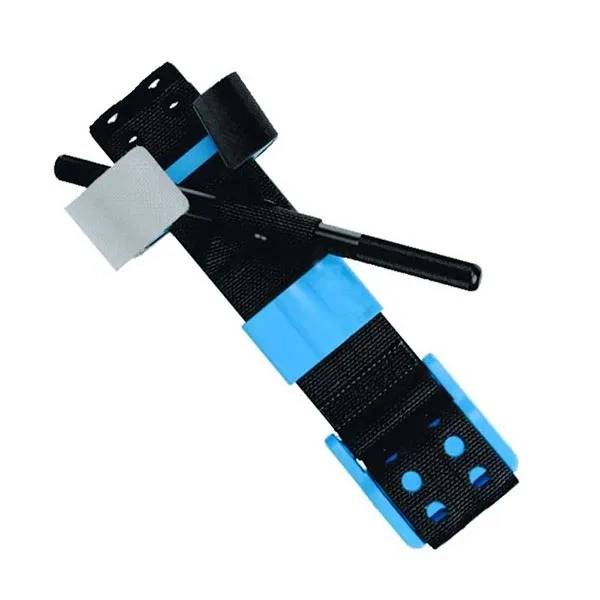
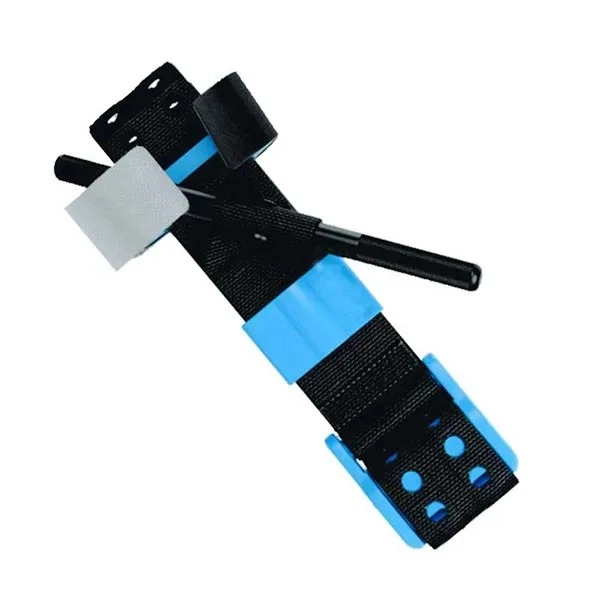
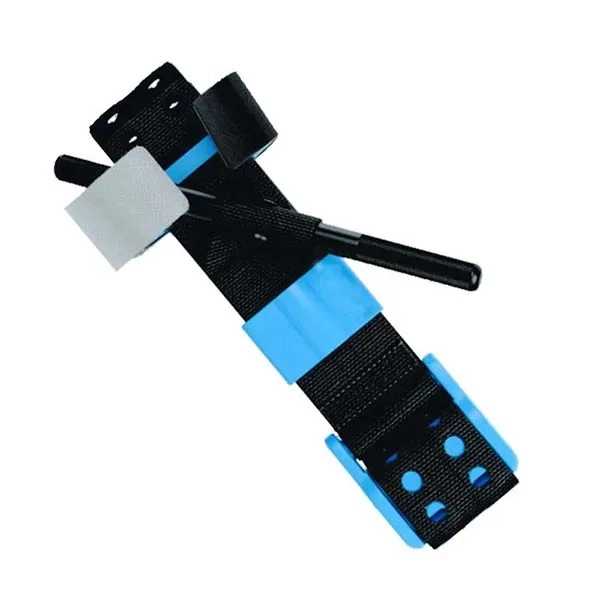
The ability to control the power automatically according to the strength of each person The highest level of bleeding control in all types of tourniquets available in the world. The use of a strong aluminum rod to tighten the tourniquet. The shortest possible time to close the tourniquet due to the mechanism used. The ability to loosen the tourniquet with a half wheel for emergencies. It can be used multiple times. Waterproof. Consequences of using a tourniquet: muscle ischemia and damage to nerves, damage to the inner wall of arteries, blood clots inside the vessels or thrombosis.
Appearance specifications: Length: 6.3 cm Width: 3.8 cm Height: 1804 cm Weight Weight: 108 grams Appearance models: orange XT100-OR blue XT100-BL black / gray (tactical) XT100-BK