
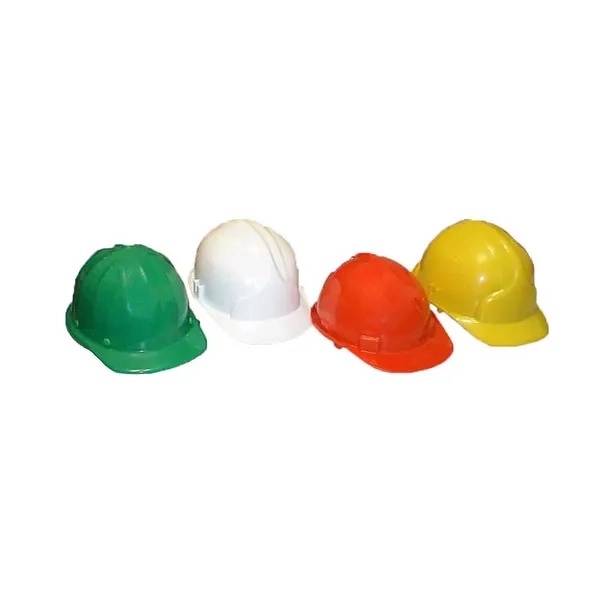

Technical specifications of the helmet:
A helmet is the only means of protecting the upper part of the head against impact and other possible injuries. In other words, helmets are used to protect the user's head from blows as well as mechanical and electrical hazards. It should be noted that the helmet must be able to provide the necessary care in dealing with related risks without creating another risk, so neither the structure of the helmet, nor the materials used, nor any of the fittings. and its accessories during use should not be dangerous for the safety and health of the user.
The safety helmet is made of two main parts of the shell and fittings, the distance between the fittings and the shell should be between 30 and 50 mm of free space. Also, the helmet should be made of a material that is light and cool, and the ventilation in it should be done easily and in the best way. The total weight of the hat, including the shell and accessories, should be between 400 and 500 grams, and the weight of the label or other signs attached to it should not exceed 30 grams.
Uses of helmets:
Two million injuries and head injuries, including fractures of the skull, jaw, and face, occur among workers every year. Time and time again, in many accidents leading to death, this point has been raised by safety experts that if personal protective equipment was used, the accident would not have led to his death.
The role of using protective equipment A person is not hidden from anyone in providing health against accidents and diseases caused by work. When there is a possibility of objects falling from above and hitting the head, or when there is a possibility of the head hitting obstacles in the work environment, and when working near live parts, use a helmet and head protection. It is mandatory.