
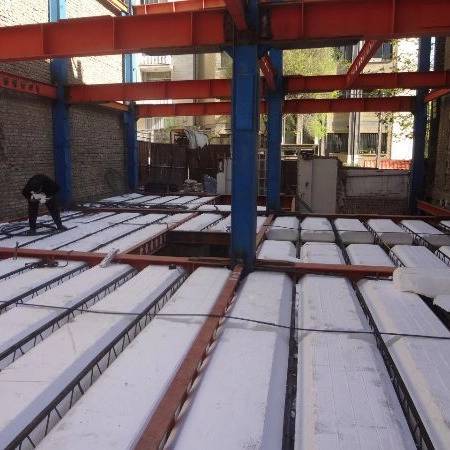
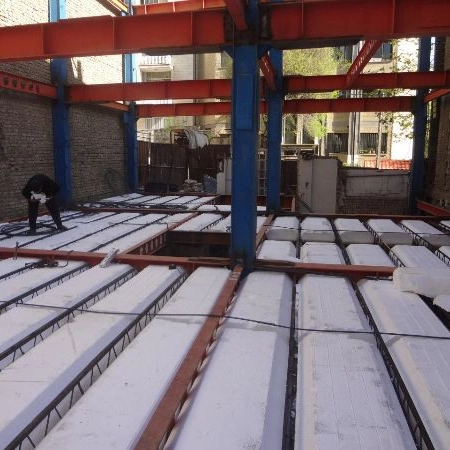
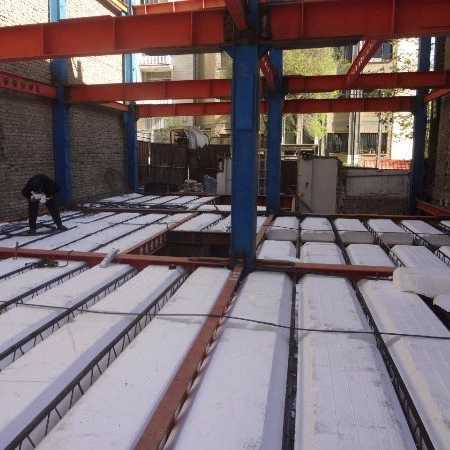

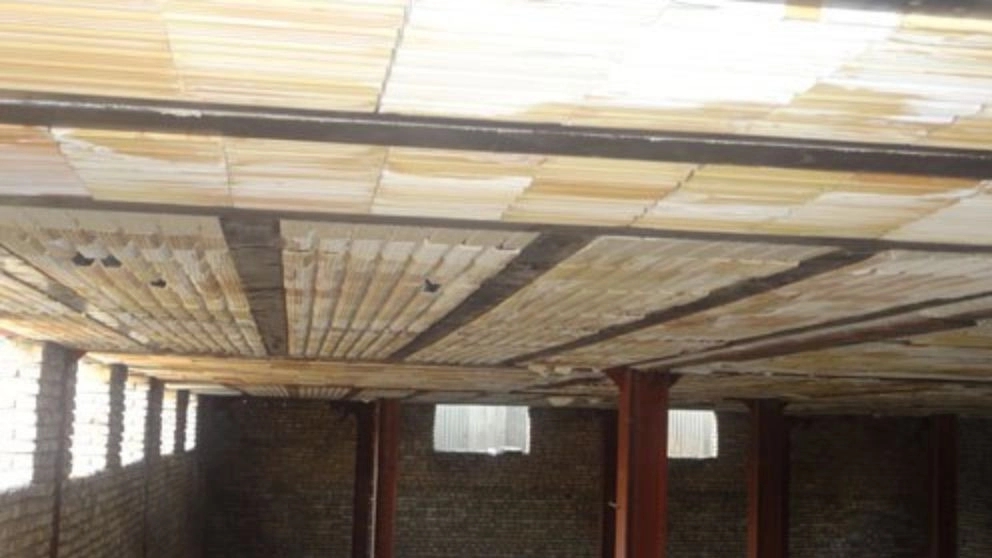
All the steps of building joists and building the roof are done according to Regulation 151 of the Management and Planning Organization and the manual of metal joists cross-sections, in compliance with all technical principles.
All joists are on A special template with an opening (200/L) with a mica grade 4 electrode, designed, welded and made.
To make the beams, the beams are made of cold-bent steel sheet with the 37st standard of Mobarakeh steel. And for the truss member (zigzag) grade 10 ribbed rebar with 2A hardness is used.
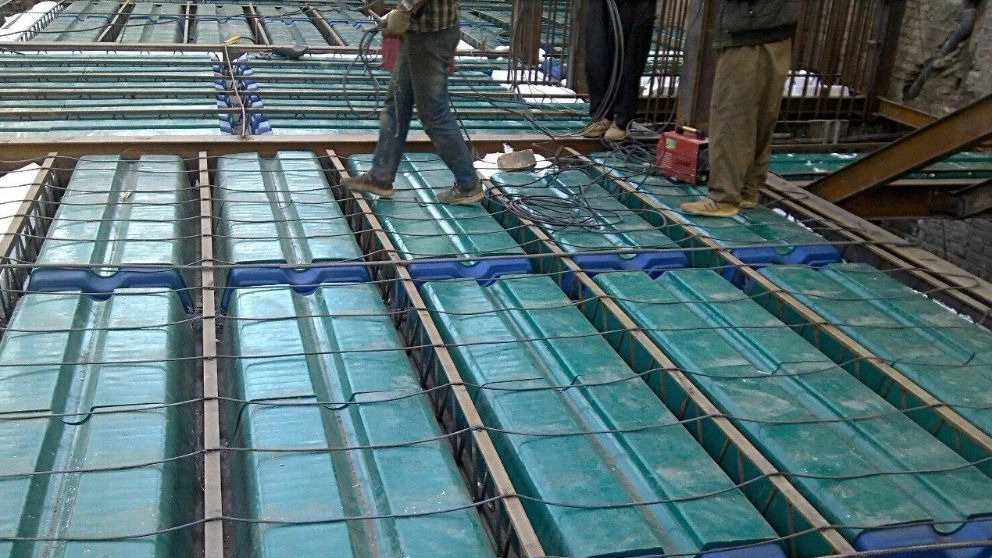
Failure to Design and Calculate the joists:
A) Since the producers of chromite beams sell them by the kilo, the heavier they make them, the more profit they get, so sometimes beams with a weight of two or three times the required weight are made and delivered to the customer, and thousands The justification for this is presented so that the consumer can be convinced that these heavy beams are made in accordance with the calculations. Unfortunately, some engineers encourage this because they do not know the calculations of this type of beams and cannot control the beams, so as not to build a weak beam. Most of the details of the chromite beams that can be seen in the executive plans of the structures fully confirm this, and unfortunately, with this method, the national funds will be buried in the roofs of the buildings.
b) The same manufacturers, if they have a ceiling implementation contract with the customer, since they have to reduce their costs, they do the exact opposite with a 180 degree turn. In this case, since they still don't have the ability to calculate the beams, they make the upper wing of the beams slightly thinner so that it does not bend during the concreting of the beams (the reason for this is completely obvious to the experts), but they make the lower wing of the beams very weak and it is not important for them at all. It is not known what loads these beams should bear during operation.
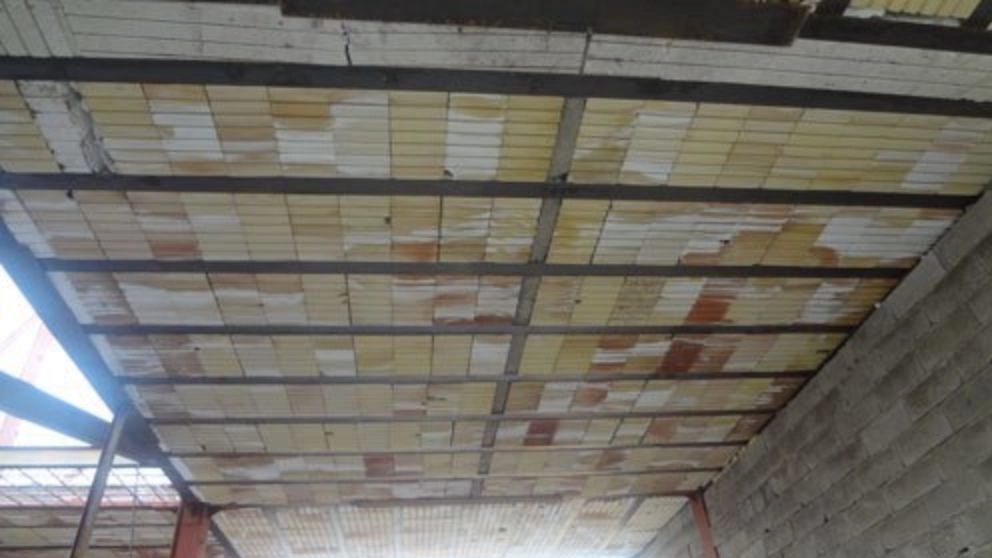
c) Among these, there are also people who produce and execute beams contrary to engineering principles only out of ignorance. These people usually make beams from ready-made tables in the market, but because they do not have any expertise in the field of calculations, they produce a type of beam for every structure and with every load and every type of porcelain blade and flooring. In other words, they have nothing to do with whether this beam should bear the load of 700 kg/m2 or 9000 kg/m2! Also, it doesn't matter to them whether the beam is made with plastofoam blocks or cement, and what the weight of the indo will be different from each other, and they produce beams with the same specifications for all residential buildings. Obviously, in this case, either the production beams will be weak, or due to the beams becoming stronger than the required amount, the cost paid by the consumer will increase.
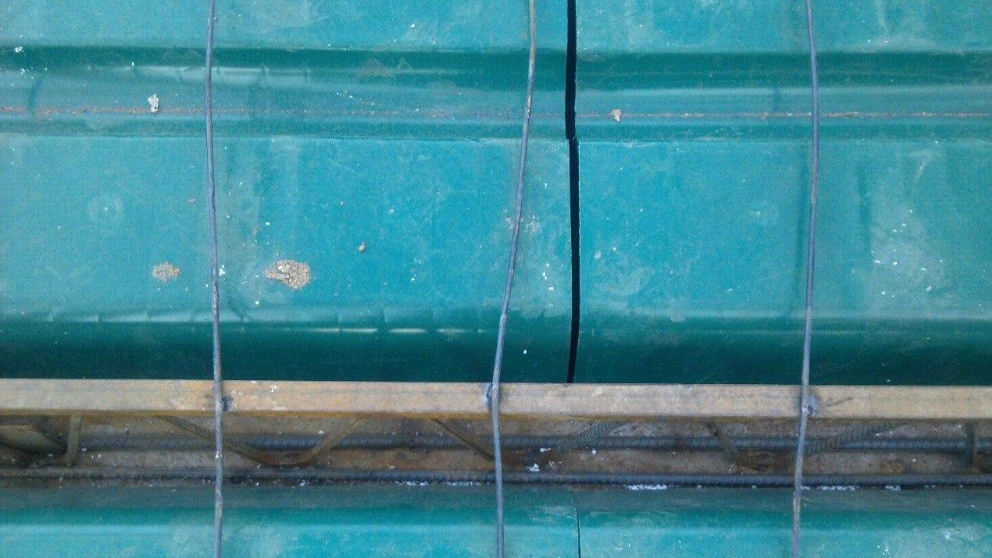
2 - Use inappropriate raw materials:
A) Using fabric corners:
Using fabric corners available in the market is one of the most common cases in this field. Explanation that the only fabric corner allowed to be used in the manufacture of chromite beams is the corner produced by the Isfahan Iron Smelting Factory, which is not found in most cities of the country due to its limited production capacity and high price. It will be economical (compared to using sheets for corner construction). On the other hand, the 3rd and 4th fabric corners available in the market are mostly made by workshops in the cities of Tehran, Tabriz, Mashhad, Isfahan, etc., and the important thing is that these corners look completely new and excellent, but they are actually made by melting scrap iron. come and they do not have the technical specifications required to be used in the construction of beams.
b) Use of imported steel:
It can be said with full confidence that none of the imported steels have the technical specifications suitable for use in buildings, and this applies to all types of profiles. It is true of beams, rebars and sheets. Because there is no quality control on imported items, and importers import the cheapest foreign steels, which are naturally the worst, in order to make more profit. The use of these steels in buildings and beams can be very dangerous.
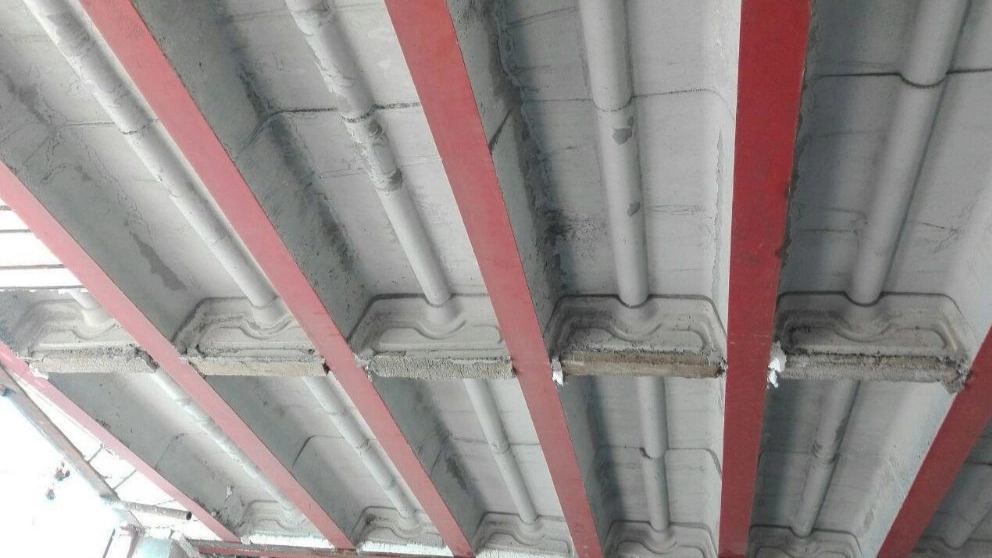
C) Use of second-hand raw materials:
It is clear that the use of second-hand steel has no place in the structure and beams due to the change in its technical and mechanical characteristics, and is only used The producers of these steels are those for whom nothing is important except the price. d) Use of molten rebars: Unfortunately, the use of molten rebars is also used in the production of chromite beams. It is popular. Melted rebars are rebars that are obtained by melting scrap iron and are of very poor quality, and it has sometimes been seen that they break during transportation before they can bear the load.
e) Using AIII rebars:
Unfortunately, this is one of the most common problems in the production of chromite beams. Explanation that the rebars allowed to make chromite beams are only AI (soft) and AII (semi-hard) rebars. Type AIII (hard) rebars have very low weldability, and according to publication No. 151, their use in making chromite beams is prohibited. But unfortunately, most manufacturers do not pay the slightest attention to this issue, and some do not even know the difference between these rebars.
Unauthorized construction of joists:
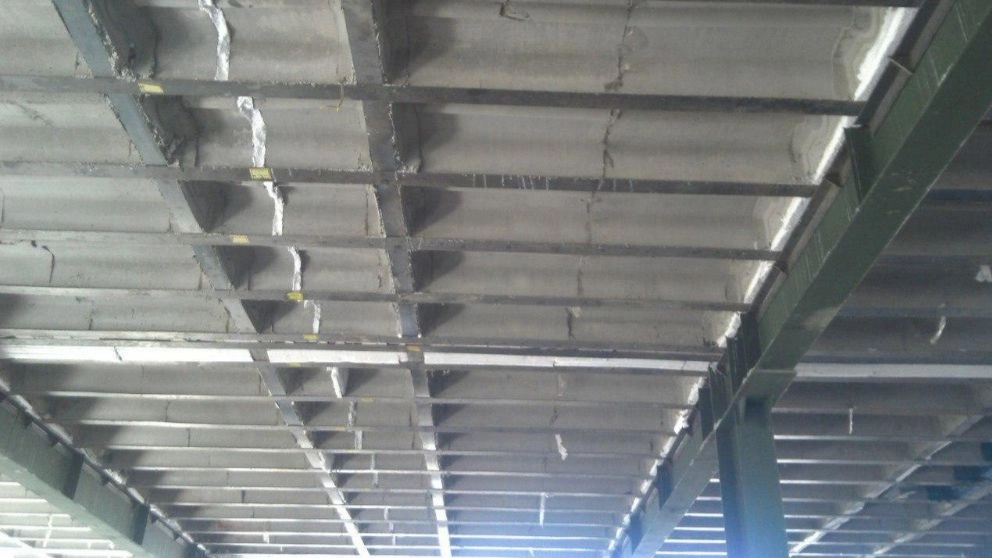
One of the most important factors threatening the health of beams is improper welding of beams. The use of single-phase welding transformer is common in many unauthorized workshops, which causes the lack of strength of the weld. Also, an excessive increase in the welding amperage causes melting of the welding parts and a sharp decrease in the resistance of the beam. Another problem is the insufficient length of welds. Also, improper overlap of zigzags, improper patching of parts, failure to observe the step of zigzags, and even carelessness during reinforcements are among the common problems in making chromite beams.
How is the sound and vibration transmission of chromite roofs compared to other roofs?
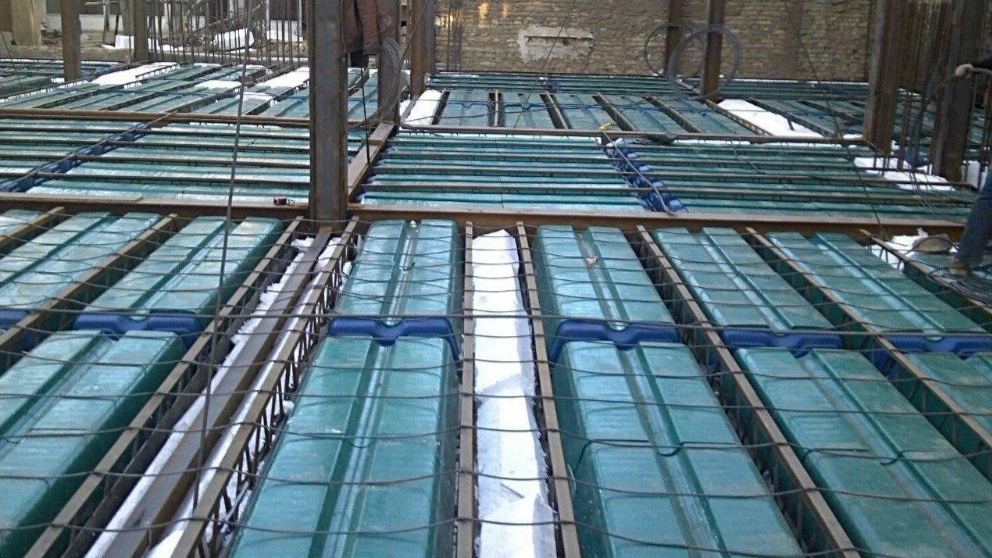
In general, block beam ceilings, whether chromite or concrete beams, if properly designed, calculated and implemented Compared to in-situ concrete and composite roofs, due to the greater thickness of the roof and the use of blocks, they have less vibration. But this is a general issue and it differs according to different conditions. For example, the vibration of composite roofs will be much less if during concrete pouring, piles are placed under all the secondary and main iron beams. The vibration of traditional beam and block roofs (concrete zigzag beams) is less than other roofs due to piling. Consider a roof with chromite beam and clay block, if you change the block to polystyrene, the sound transmission will decrease to a great extent, but the vibration of the roof will increase to some extent. It is not bad to know that the relationships proposed in paragraph 10-1-9-3 of the 10th topic of the national building regulations for controlling the frequency of beams do not apply to chromite beams in any way, and experience has proven it in practice because the vibration of ceilings is due to many and complex factors. it depends. But if we want to make a general conclusion, it should be said that if the beams are designed and produced correctly and the necessary precision is applied in the execution, the vibration of the chromite roofs up to the opening of about 8 meters is completely acceptable and there is no need to worry about this. It is necessary to mention here that in some buildings, a significant part of the vibration is due to the weakness and vibration of the skeleton and has nothing to do with the roofs.
The sound transmission is generally reasonable in beam and block roofs and is due to other factors. It also depends on the type of roof, such as the material and thickness of the flooring and underlayment of the roofs, the presence or absence of a false ceiling, etc.