
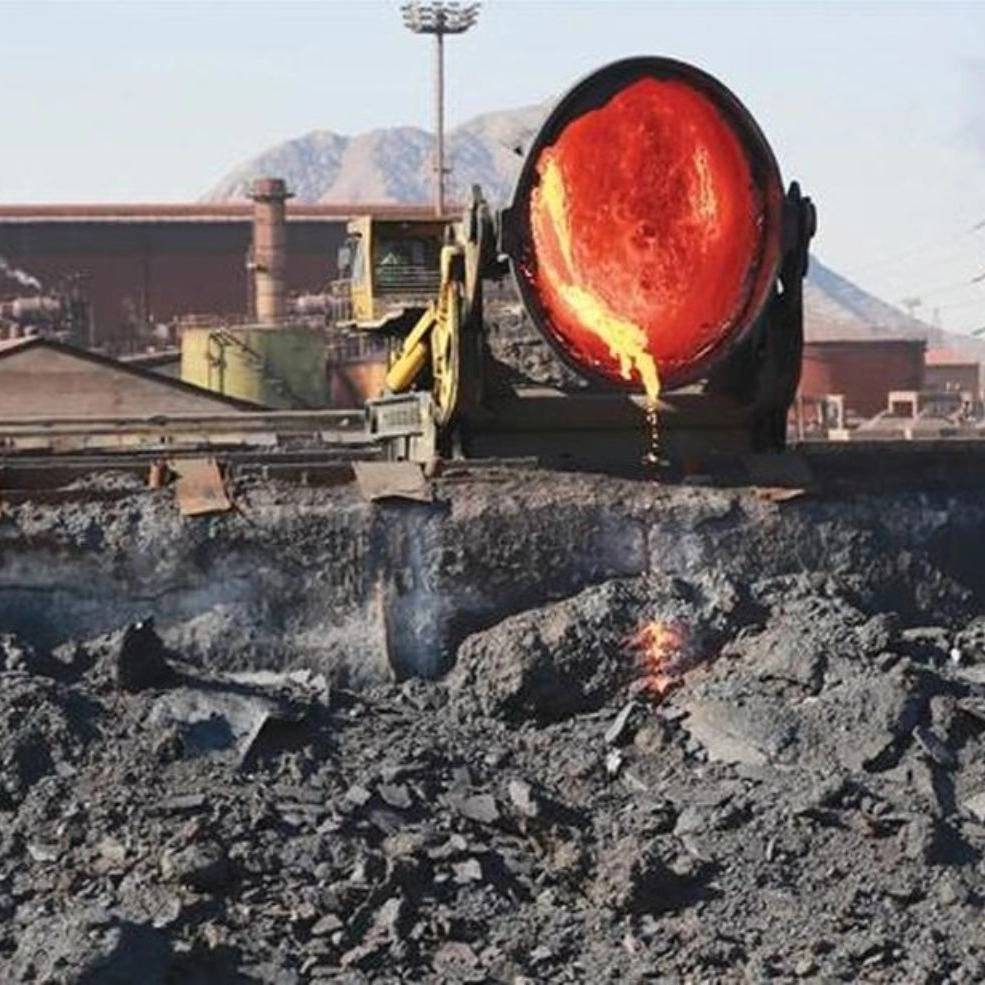

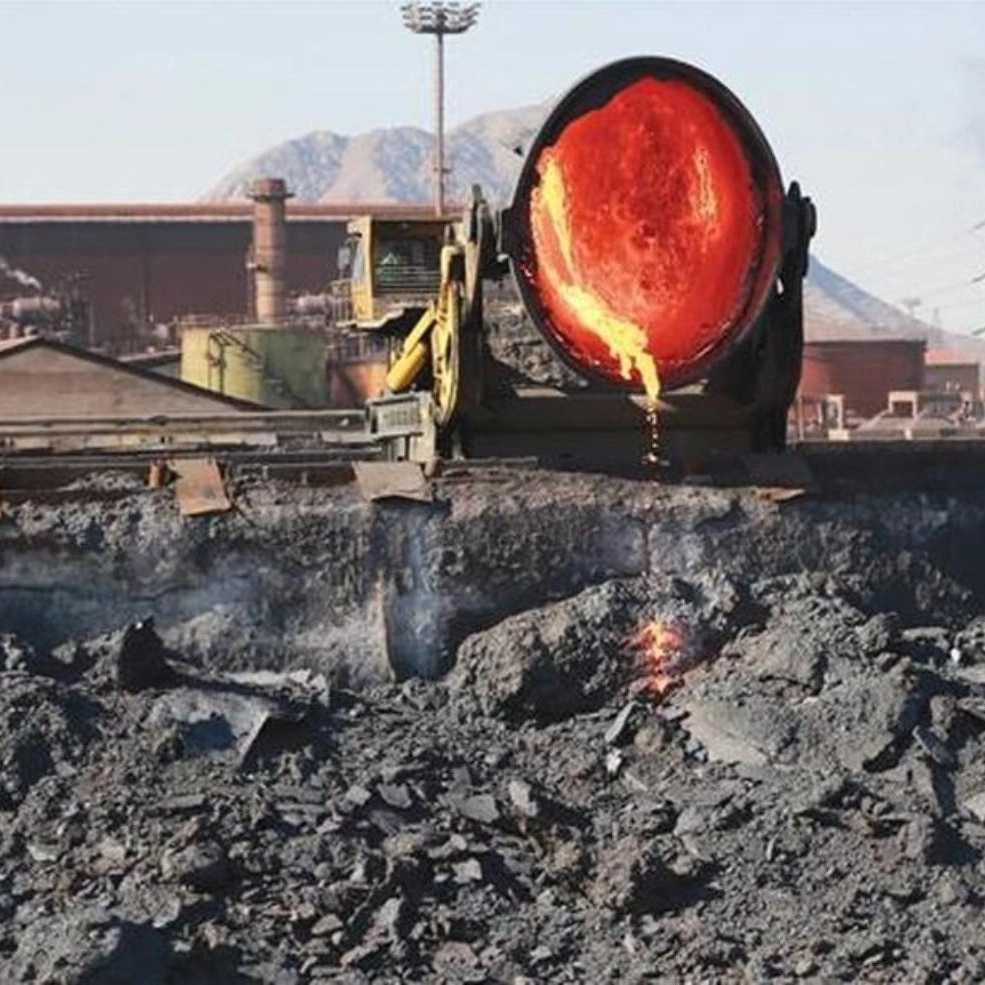
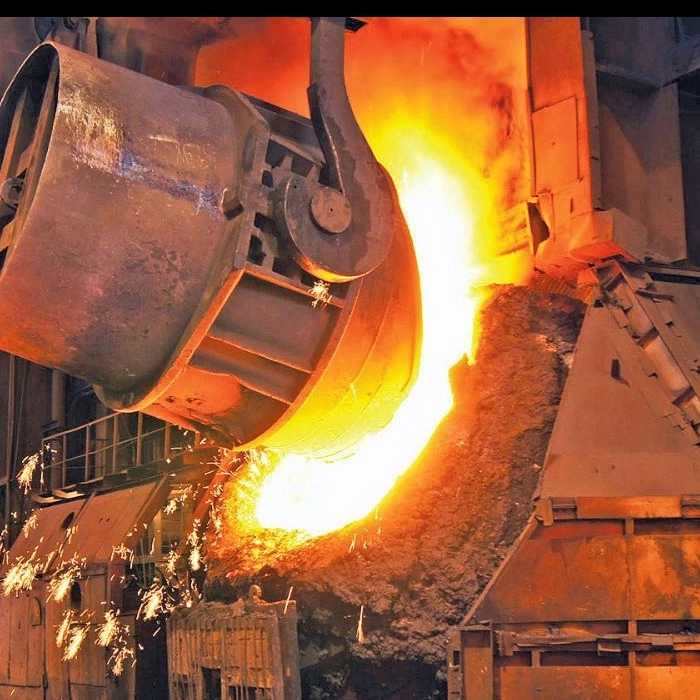
Steel slag is a by -product that is created in the steel production process. When gross metals, such as raw iron, melt in electrical arc furnaces or tall furnaces, gross materials including silicate, metal oxides, sulfur and other unusual elements react with molten materials and separated in the form of slag. These slags are separated from molten material from molten steel and gradually cool and solid.
1- Wisdom:
After the slag is removed from the furnace, it first cools with water or air. It is then crushed into smaller parts to be used as a raw material in various industries. The crushing is first carried out by the primary crusher. The size of these crushers is done by the collection experts, with line information such as capacity, grading, laboratory studies on slag, etc.
2- Metal segregation:
The most important part of steel slag processing is the product segregation and tailgage separation. Which product will be separated in which crushing phase depends on the results of the collection's experiments and experience. Metal iron and iron ore concentrate are metal products that can be recovered from steel slag. The recycled metal iron is recharged within the arc furnaces after the agro -process. To recover mini metals from the slit, it may require the use of self -propelled balm. The iron ore concentrate retrieved from slag also usually has a maximum iron grade of 50 %. The concentrate is a Westite type and can be used in steel production processes. Asia should also be used to recover this section.
3- Mill and separation:
The slag is crushed with the help of various mills and is separated based on its physical and chemical properties. At this stage, slag is used in various industries as powder or micro -grains (usually the iron ore concentrate, which was also discussed in the previous phase, is processed and reused in steel production processes)
4- Use magnetic methods:
Magnetic separators are used to separate metal parts in the slag. These metals are usually returned to melting mills. Magnetic methods can be done both dry and more dry. The magnetic intensity and the way the magnets are arranged in this section is very important that in addition to laboratory tests on the slag, our expert experience will help. Magnetic devices and equipment can be both mobile and fixed. Steel slag processing is a multi -step process that requires special and complex equipment. This process includes crushing steps, separation of metals, mill, and grain, each requireing different devices and technologies. Here are some of the equipment and devices used in slag processing:
Crushing Units: Crushing Units:
used to break down the slag into smaller pieces of primary, secondary and third stage crushers such as impact housing and roller crushers.
Asias (Mills):
Ball Mills: They are used for the final crushing of slag. These Asias make slag into very fine particles that are suitable for use in various industries. Roller Mills: Another type of Asia is especially used for the processing process and production of slag powders. ROD Mill: Depending on the use and type of slag, this Asian model is also commonly used to powder slag.
Metal separation machines:
Costs:
The cost of slag processing depends on several factors, including the volume of production, the type of equipment used, and the project implementation. In general, the following costs should be taken into account: Cost of Equipment and Machinery: The price of each device depends on its type and capacity.
Installation and Launch Cost:
Installation and commissioning of devices can also cost high costs depending on the complexity of the process and location of the project. This cost usually includes technical, engineering, and installed services.
Operating Costs:
Costs (electricity and water), manpower, and machinery maintenance are operational costs. These costs vary depending on the scale of production.
Transportation fee:
carrying raw materials and end products to customers is also an important cost to be considered.
Profitability:
The profitability of slag processing is very high due to its variety and applications in various industries. Given that the slag is obtained as a by -product for free or at a low cost, the sale of processed products such as slag powder for the cement and concrete industry, or filler materials for the road, can have a high profit margin.
Practices and Products of Processed slag:
Cement and Concrete Industry: After processing, it is used as an additive to cement or concrete. This improves the strength and durability of the concrete. • Road construction: slag is used as a filler material in road construction and improvement of roads. High strength and slag ability to withstand pressure make it suitable for this application. • Agriculture: In some cases, processed slag is used as a soil reformist. The oxides in it can help improve the physical and chemical properties of the soil. • The steel industry: The remaining metals in the slag are returned to the steel production process after recovery. • Environment: The use of processed slag is also common in environmental projects, such as recovering contaminated land and strengthening quality soils.
Sell Processed Products:
slag processed products are sold on the market as cheaper and more efficient raw materials than raw materials. The target markets include cement, concrete, road construction, and agriculture, use in marine installations (high density concrete). Also because of the recycled value of metals in the slag, many steel and iron industries use these materials.