

Introduction
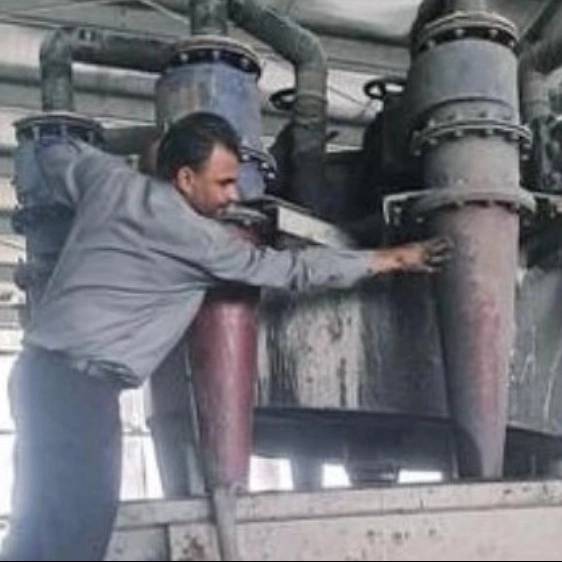
In mineral processing factories, one of the most important equipment for separating and classifying particles is the Hydrocyclone. Using centrifugal force, this equipment separates particles based on size and is known as a continuous classifier. But when higher capacity and more uniform performance are required, the use of hydrocyclone cluster is proposed as an engineering solution.
In this article, we will discuss the complete review of the hydrocyclone, its main components such as apex hydrocyclone and vortex hydrocyclone, how it works, performance indicators, and finally the application and benefits of the hydrocyclone cluster. Also, in the final part, the products and services of Tahaziz Sanat Zarineh will be introduced as one of the reliable manufacturers and designers of this equipment.
______________________________________________
What is a hydrocyclone and how does it work?
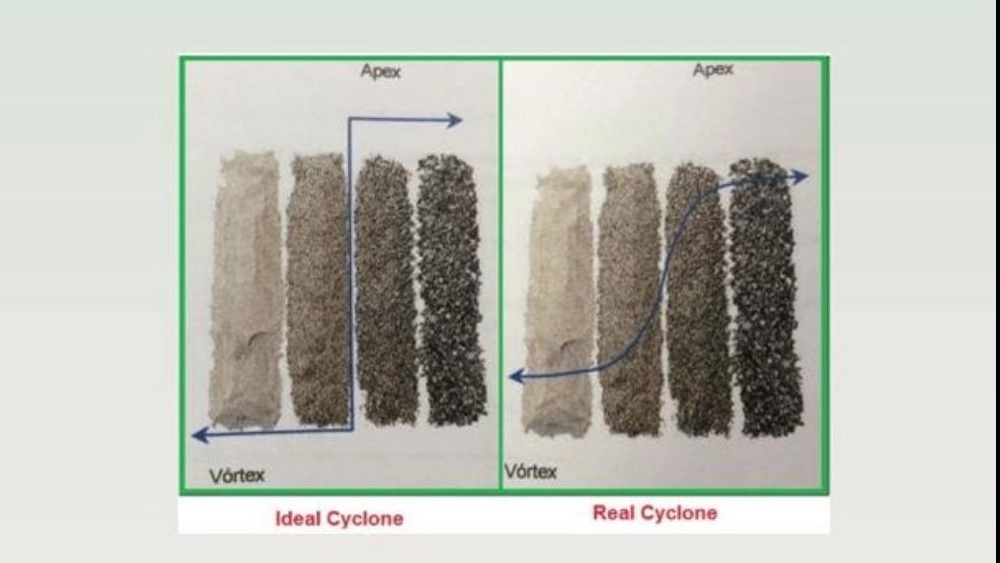
Hydrocyclone is a cylindrical-conical device that injects the slurry feed (pulp) with pressure and separates the particles by creating a rotating current. In this process:
- Coarse particles are pushed towards the wall due to their greater weight and centrifugal effect and exit from the apex.
- Fine particles remain in the central low-pressure area and are directed to the vortex finder.
For this reason, hydrocyclones are widely used in crushing and grinding circuits to sort materials by size.
The inner regions of the hydrocyclone
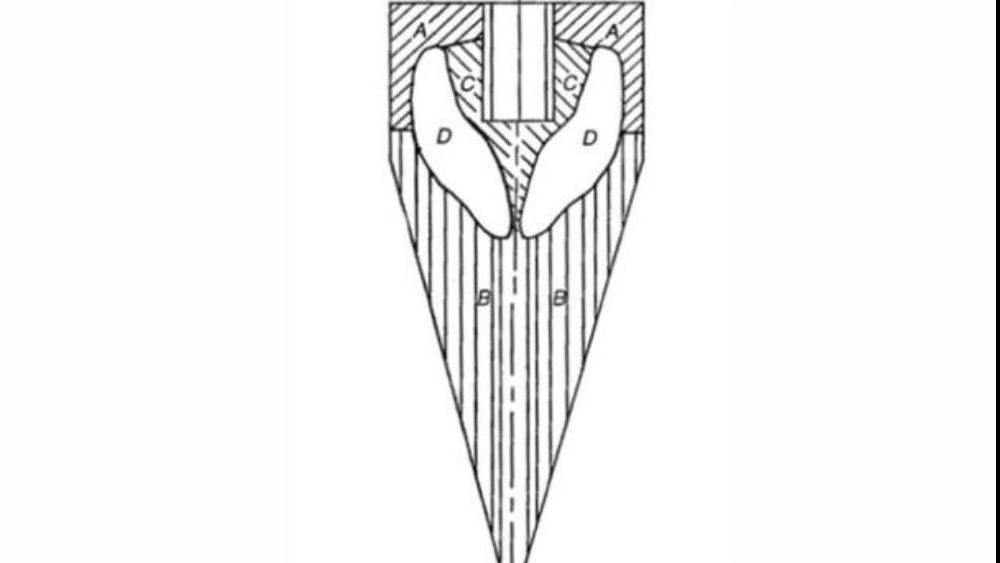
The inside of the hydrocyclone is divided into four different areas, which are:
✅ The unclassified feed enters in a narrow area around area A and hits the wall and roof of the cyclone.
✅ All fine-grained particles accumulate in area C.
✅ Classification is done only in area D. Across this region, the distribution of granulation is radial, as the particle size decreases, the radial distance from the axis decreases.
This division helps processing engineers to design and adjust the hydrocyclone in such a way that the maximum separation efficiency is achieved.
Applications of hydrocyclone in industry
Hydrocyclones are widely used due to their simple operation, high efficiency and low maintenance cost:
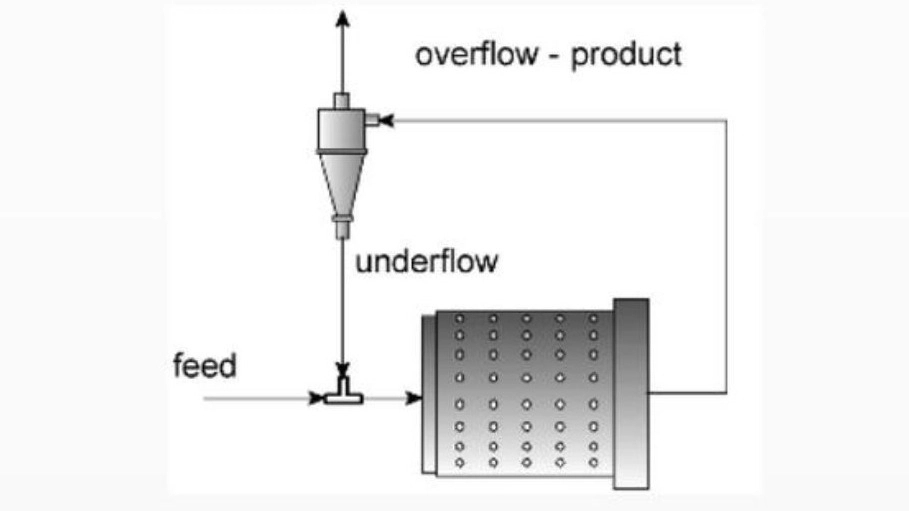
- Dimensional classification in the closed circuit of Asia: precise control of particle dimensions to optimize softening operations.
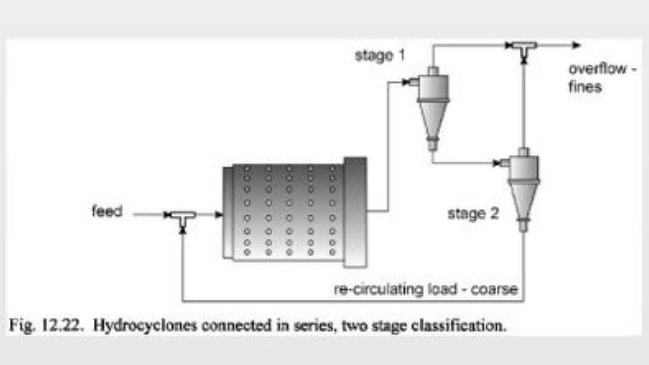
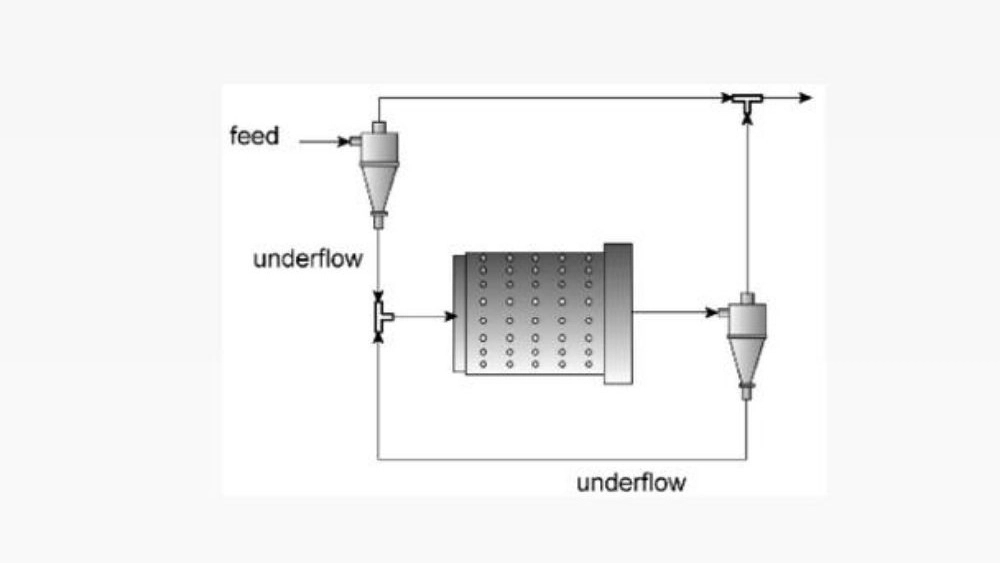
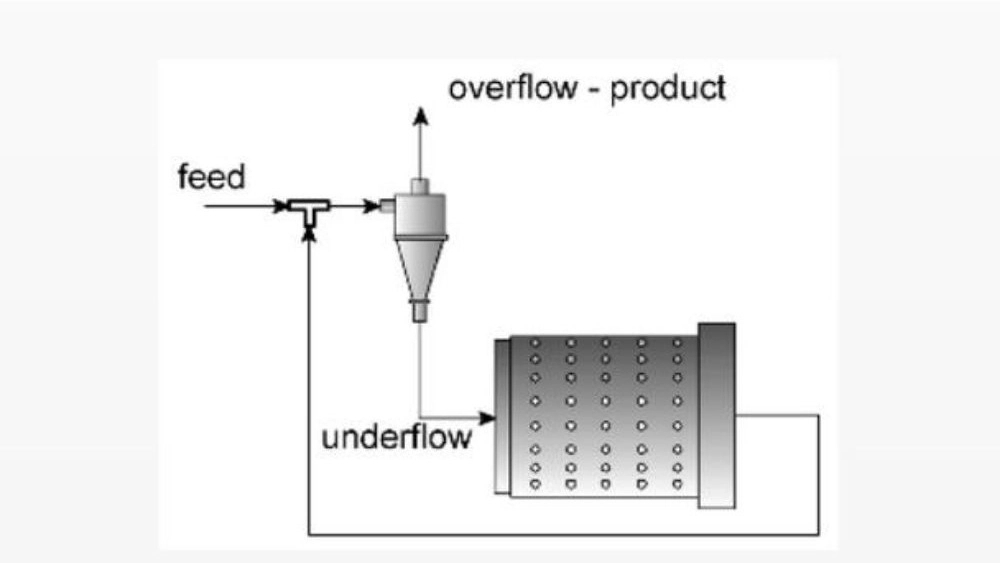
- Dewatering: separating solids from liquid in washing equipment and dryers.
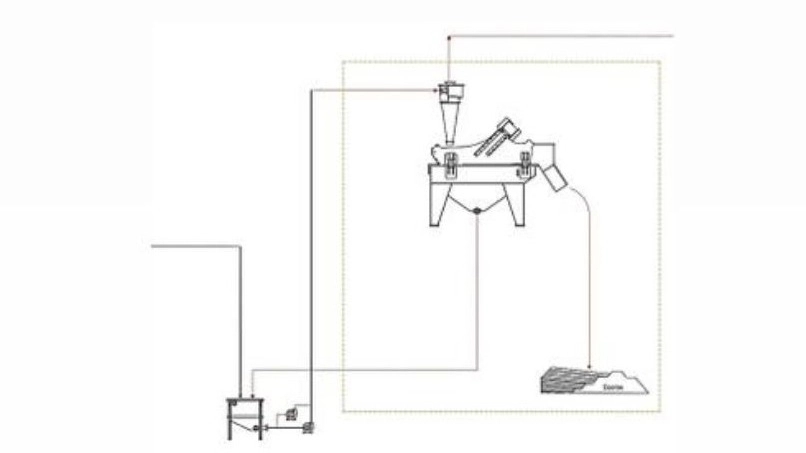
These applications show that the hydrocyclone is one of the key bottlenecks in processing plants and its correct selection has a decisive role in the efficiency of the entire circuit.
______________________________________________
Hydrocyclone performance and efficiency indicators
Hydrocyclone performance is measured by different indicators:
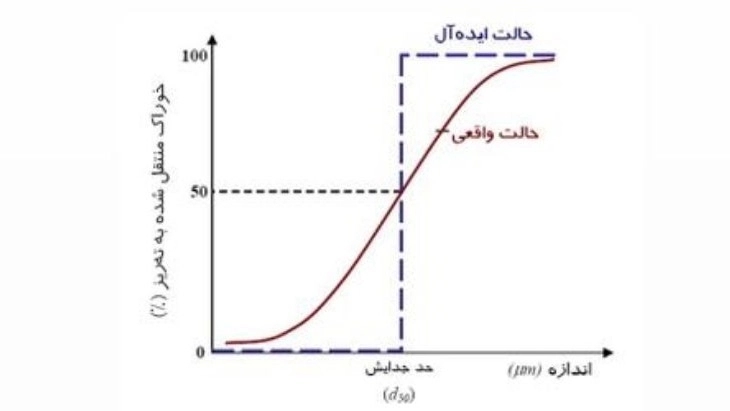
- Separation limit (d50): the size of particles that have a 50% probability of transferring to the overflow and a 50% probability of transferring to the underflow.
- Efficiency curve: the higher the slope of the middle part of the curve, the more accurate the separation.
• Solid ratio of sediment to feed (U/F): It indicates the part of the material that is transferred to the sediment.
• Solid concentration of sediment: it is especially important in hydrocyclones.
______________________________________________
Key components of hydrocyclone
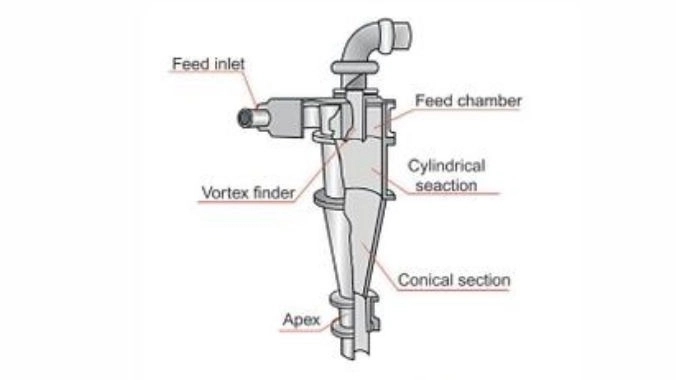
Apex Hydrocyclone (Apex)
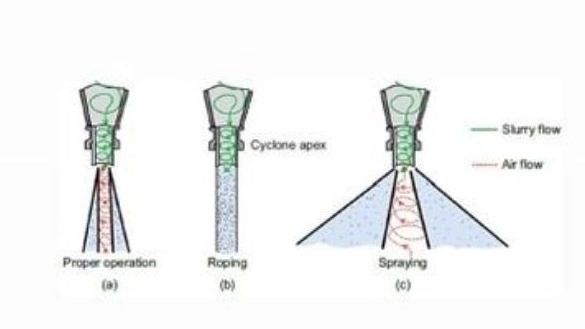
The diameter and shape of the apex determine the concentration and volume of the deposit. A small apex will increase concentration and the possibility of stringing, while a large apex will cause excessive dilution of the deposit. In Zarineh products, Zarineh hydrocyclone apex is designed and produced in a modular and replaceable way.
The diameter of the opening of the deposit is selected according to the type of mineral material and it should be large enough not to cause clogging when the material is removed. The minimum usual size is 10% of the diameter of the cyclone, which can reach up to 35%.
✔️ Area a: If the classification operation in the hydrocyclone is done correctly, the precipitated product will come out in a conical shape with an angle of 20-30°.
✔️ Area b: As the opening of the hopper becomes smaller, stringing is created and the concentration of the pulp becomes very high. In this case, with the loss of the air core, coarse particles are transferred to the overflow.
✔️ area c: increasing the exit angle of the material causes excessive dilution of the cyclone sediment, and as a result, the materials are not classified in the hydrocyclone and are transferred to the sediment together with water.
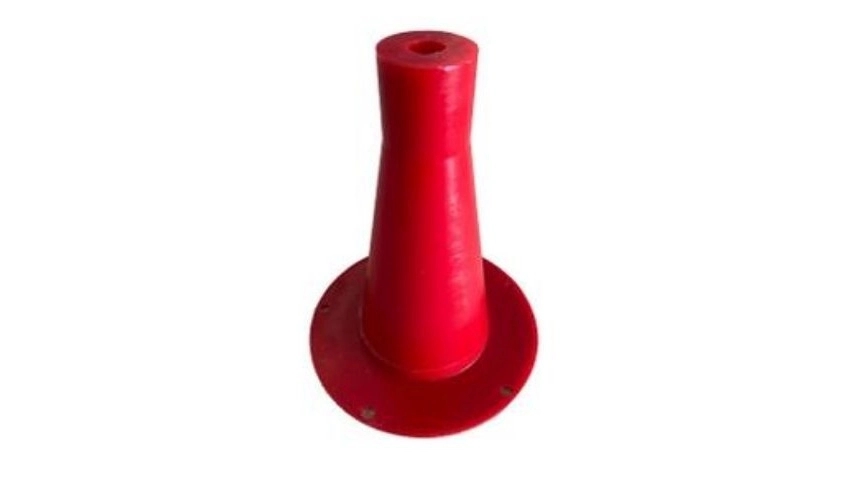
Vortex Hydrocyclone (Vortex Finder)
This tube is the top cap of the hydrocyclone, which directs fine particles to the overflow. Changing the diameter of the vortex directly affects the separation limit. In Zarineh products, Zarineh hydrocyclone vortex is designed and produced in a modular and replaceable way.
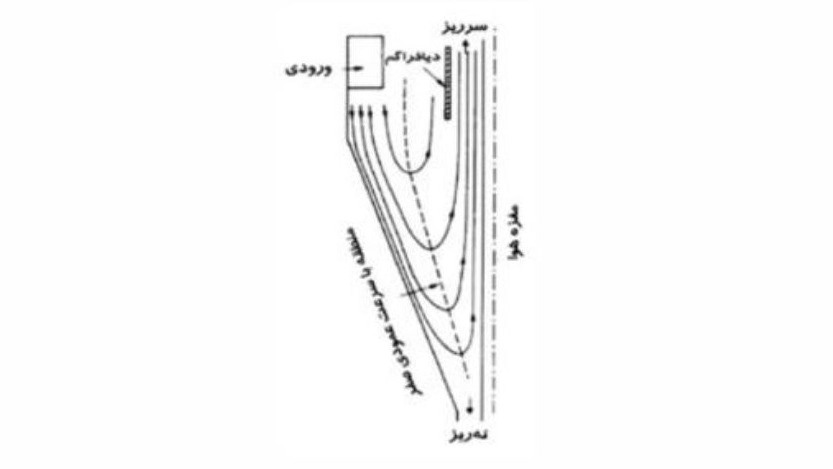
✅ The initial hydrocyclones used by the German state mines did not have a diaphragm, which caused a short-circuit flow of a large amount of coarse particles to the overflow, so a diaphragm was introduced to reduce the mixing or tracking of coarse particles to the overflow.
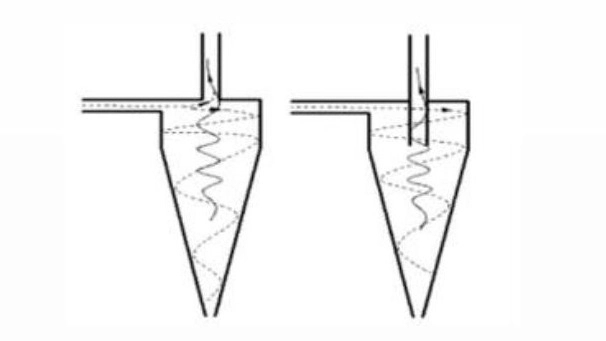
The length, diameter and shape of the diaphragm are changeable parameters that affect the efficiency of the cyclone.
✔️ Diameter of the overflow: it is a very important factor that affects almost all the performance features of the cyclone.
✔️ In general, with the increase in the diameter of the overflow, its separation limit increases. The diameter of the overflow opening is approximately 0.25-0.45 times the diameter of the inlet opening of the cyclone.
Feed inlet
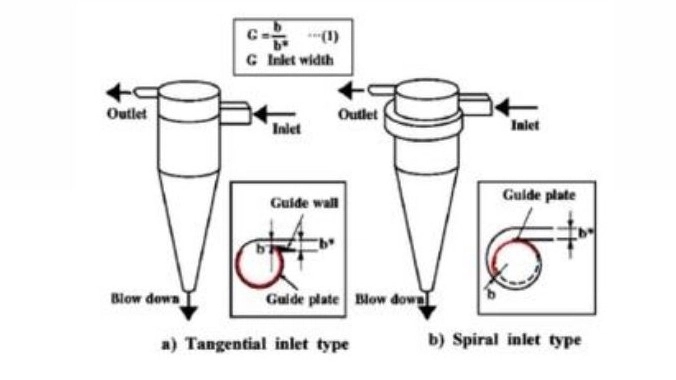
✅ Diameter of the inlet opening: The size of the inlet opening plays an important role in the capacity and separation efficiency, because the feed entry speed and to a large extent the tangential velocities inside the cyclone are controlled by the inlet opening.
✅ The inlet opening with a smaller cross-sectional area causes a reduction in capacity, more efficiency and a smaller separation limit.
✅ Type a: is a tangential inlet that has been widely used in the past and is not suitable for abrasive pulps.
Type b: The spiral inlet (spiral or arc-shaped) is more modern and is used due to minimizing the turbulence of the environment and reducing the wear of the inner wall of the cyclone.
Cyclone diameter
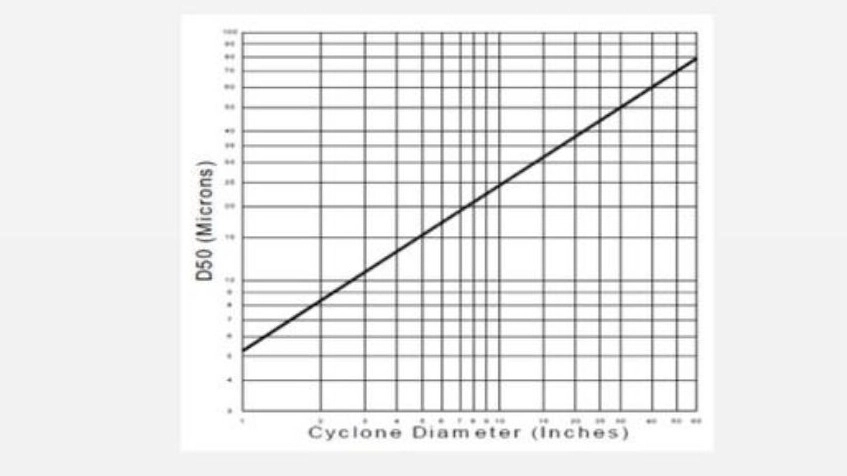
Increasing the cyclone diameter increases the capacity, but the separation accuracy decreases. Therefore, choosing the right diameter requires accurate process calculations.
- The most basic parameter of the cyclone is its diameter, which means the inner diameter of the cylindrical chamber of the cyclone. The diameter of the cyclone has a direct effect on the separation limit and cyclone capacity.
- Choosing a cyclone with a larger diameter, on the one hand, increases the separation limit, and on the other hand, reduces the wear of parts, repair costs, and pumping costs.
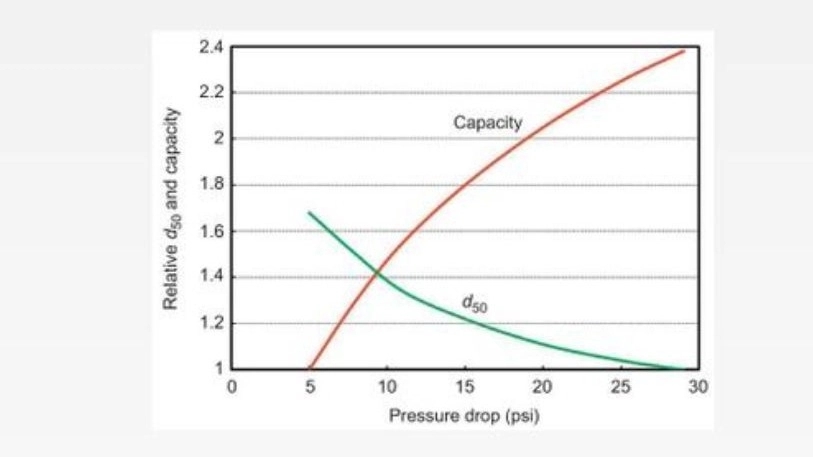
pressure drop
- One of the important parameters in a hydrocyclone is the pressure drop in it (between the inlet opening and the overflow outlet). It is recommended that the hydrocyclone be set in such a way that its overflow pressure is close to atmospheric pressure, in this case the pressure drop is equivalent to the pulp pressure at the inlet. If the overflow is discharged under positive pressure, part of the overflow material will enter the bottom.
- Increasing the feed flow rate or pressure increases the centrifugal force, and as a result, fine particles are transferred to the bottom, in other words, the separation limit is reduced.
Solid percentage
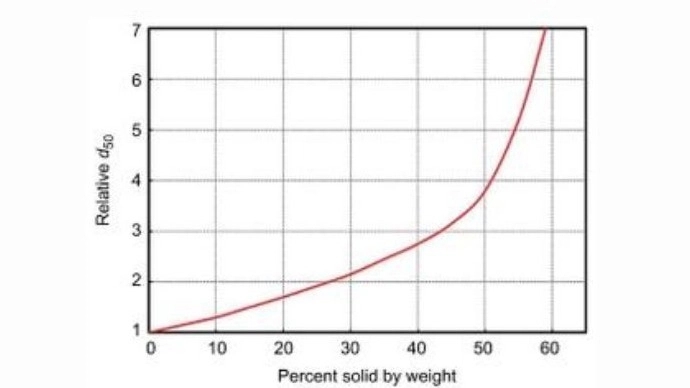
- With the increase of the solid percentage of the pulp, the sedimentation is done with a barrier and the resistance to the rotary movement increases, and as a result, the coarse particles find their way to the overflow, and as a result d50 increases with the increase of the solid percentage.
- With the decrease of the solid percentage or the dilution of the pulp, the flow volume of the sediment is reduced, and this reduces the separation limit and improves the recovery.
- In order to achieve optimal cyclone separation efficiency for materials with small dimensions, the operation should be done with a low solid percentage (less than 30%) and high pressure.
Hydrocyclone cluster
When a hydrocyclone is not responsible for the capacity of the circuit, the hydrocyclone cluster is used. In this system, several hydrocyclones operate in an integrated and simultaneous manner.
Advantages of hydrocyclone cluster:
• Increasing classification capacity
• The possibility of servicing without completely stopping the circuit
• Greater uniformity in feed and product flow
• High flexibility in circuit design
For this reason, hydrocyclone cluster is known as a vital equipment in iron ore, copper, gold, lead and zinc industries and other large mines.
______________________________________________
Hydrocyclone parts and golden polyurethane liner
Abrasion is one of the main challenges of hydrocyclone. To increase the useful life, it is recommended to use Zarineh hydrocyclone polyurethane liner. In addition to high wear resistance, these liners are easily replaceable and reduce maintenance costs.
The parts of Zarineh hydrocyclone, including apex, vortex, liner and body, are made using high-quality materials and advanced production technology.
______________________________________________
Introduction of gold plating equipment manufacturers
• Special design of hydrocyclone and cluster according to feed and process specifications
• Construction of gold hydrocyclone with resistant material and long life
• Production and supply of Apex hydrocyclone, Vortex hydrocyclone and polyurethane liner
• Technical support and providing engineering advice for the optimal selection of equipment
🌀 At Zarineh, we are a reliable partner of processing engineers and by providing high-quality equipment, we achieve the economic and operational goals of mining projects.
✅ Contact us for advice and order:
📞 09123653281
______________________________________________
summary
Hydrocyclone, as one of the vital equipments in mineral processing circuits, plays a decisive role in optimizing and controlling operations. The use of the hydrocyclone cluster provides the possibility of increasing capacity, reducing stoppages and increasing productivity. The correct selection of components such as apex and vortex hydrocyclone and the use of hydrocyclone polyurethane liners guarantee the long life and precise performance of this equipment.
If you are looking for the reliable design and implementation of the hydrocyclone cluster, Zarrineh Sanat Tafiz Talayehdaran will be your best companion on this path.