
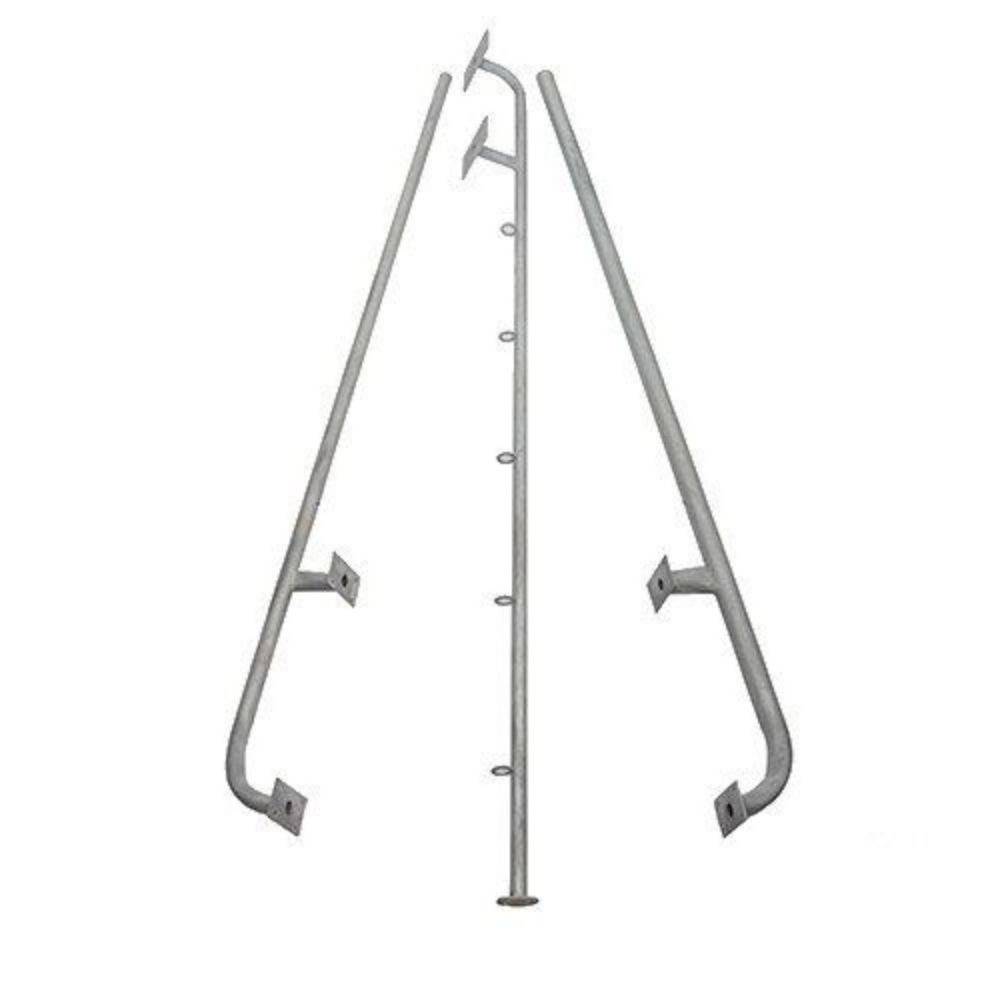

What is a branch pipe?
What are the uses of the electric branch pipe?
- Protecting the electric cable in the branching path
- Increasing the safety of the electric network
- Preventing the direct contact of the cable with building materials
- Reducing the risk of short circuit and electrocution
- Sorting and routing the cables properly
- Increasing the life of the wire and cable
The place of use of the electric branch pipe
- The entry point of the branching cable into the building
- Passing the cable through the wall, ceiling or ground
- Connecting the cable to the switchboard
- Splitting from the main power grid
- Ground and overhead power stations
- Factories and industrial workshops
Types of electrical distribution pipes
Depending on the type of project and environmental conditions, the branch pipe is produced in different models:
- Made of steel or galvanized
- High resistance to impact and pressure
- suitable for industrial projects and harsh environments
- Resistant to rodents and mechanical blows
- Light weight and easy installation
- Moisture resistant
- suitable for use in buildings and residential projects
- more economical price than the metal type
Advantages of using electrical branch pipe
Using the branch pipe has important advantages that are directly related to the safety and standardization of the project:
- ✅ Increasing the safety of the electrical system
- ✅ Fundamental protection of cables
- ✅ Reduce maintenance cost
- ✅ Complying with electrocution standards
- ✅ Regulation of the cable crossing route
The difference between an electric branch pipe and a normal electric pipe
Many people confuse these two, but their difference is important:
- Electric branch pipe designed for sensitive points and main branching
- It has higher thickness and resistance
- It is usually used in areas with mechanical stress or external environments
- Its main focus is on the safety of the cable at the point of entry and branching
Standards related to electrical distribution pipes
- Adherence to the appropriate diameter for cable passage
- Suitable mechanical resistance
- insulation or anti-rust coating
- withstand environmental conditions (moisture, heat, shock)
Failure to comply with these standards can cause serious financial and human losses.
Important points in choosing a branch pipe
Before buying or using, be sure to pay attention to these points:
- type of cable and its cross section
- Installation location (indoor or outdoor space)
- the amount of humidity and impact of the environment
- Material standard
- Longevity and build quality
summary
Electrical distribution pipe is one of the seemingly simple but very vital components in the electricity supply system. By protecting cables and increasing safety, this equipment plays an important role in the final quality of electrification of buildings and industrial projects. Choosing the right branch pipe means reducing risk, increasing safety and professionalism.