
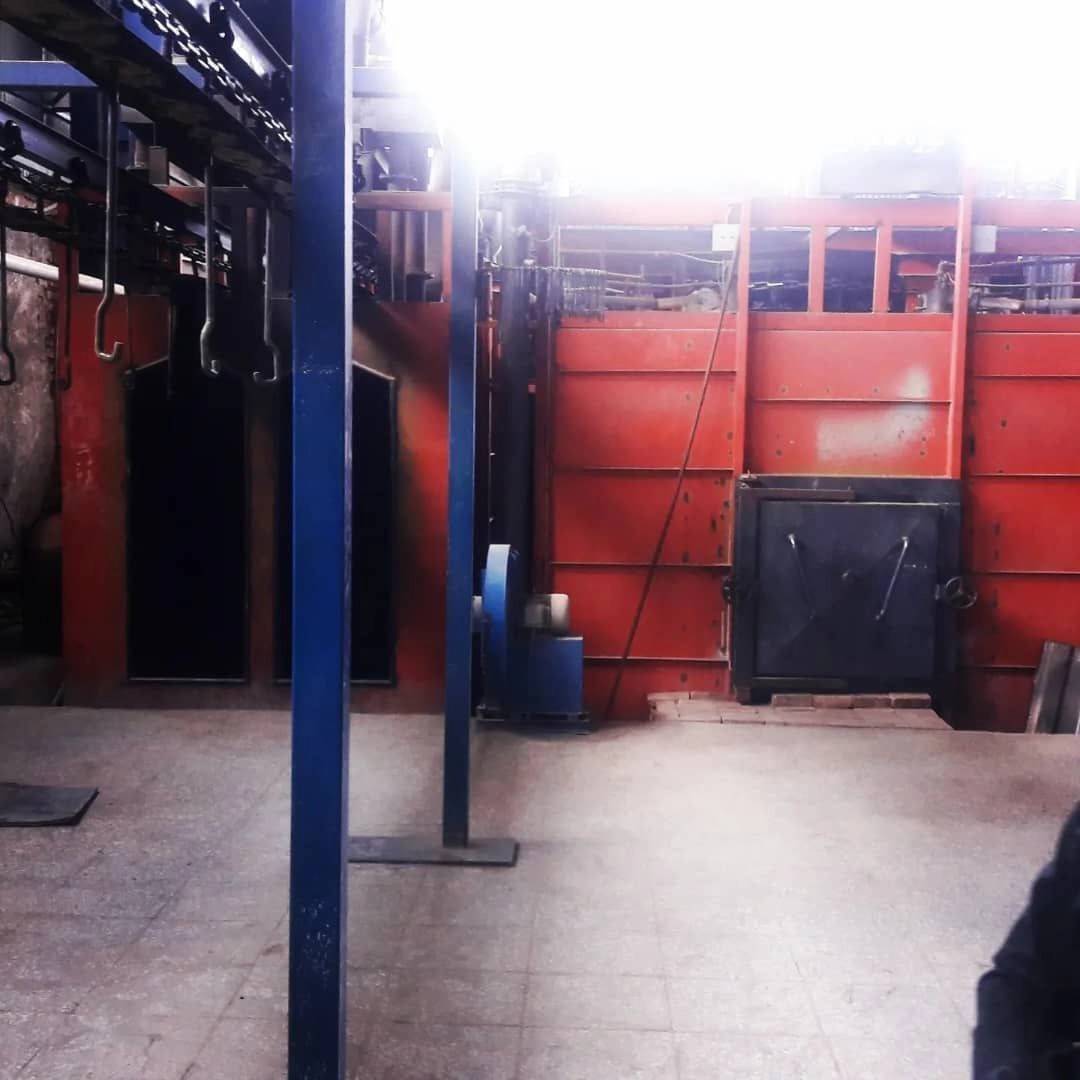
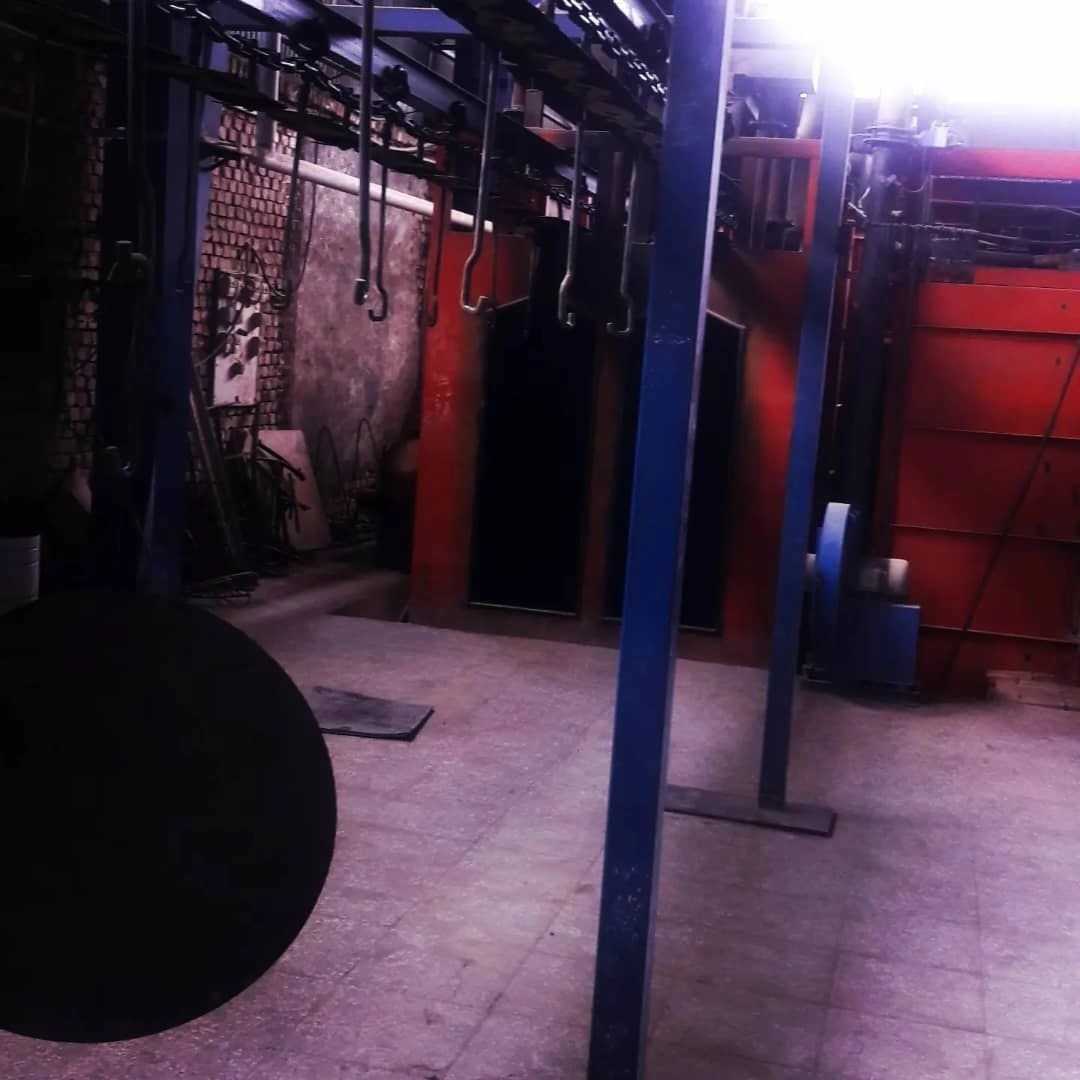
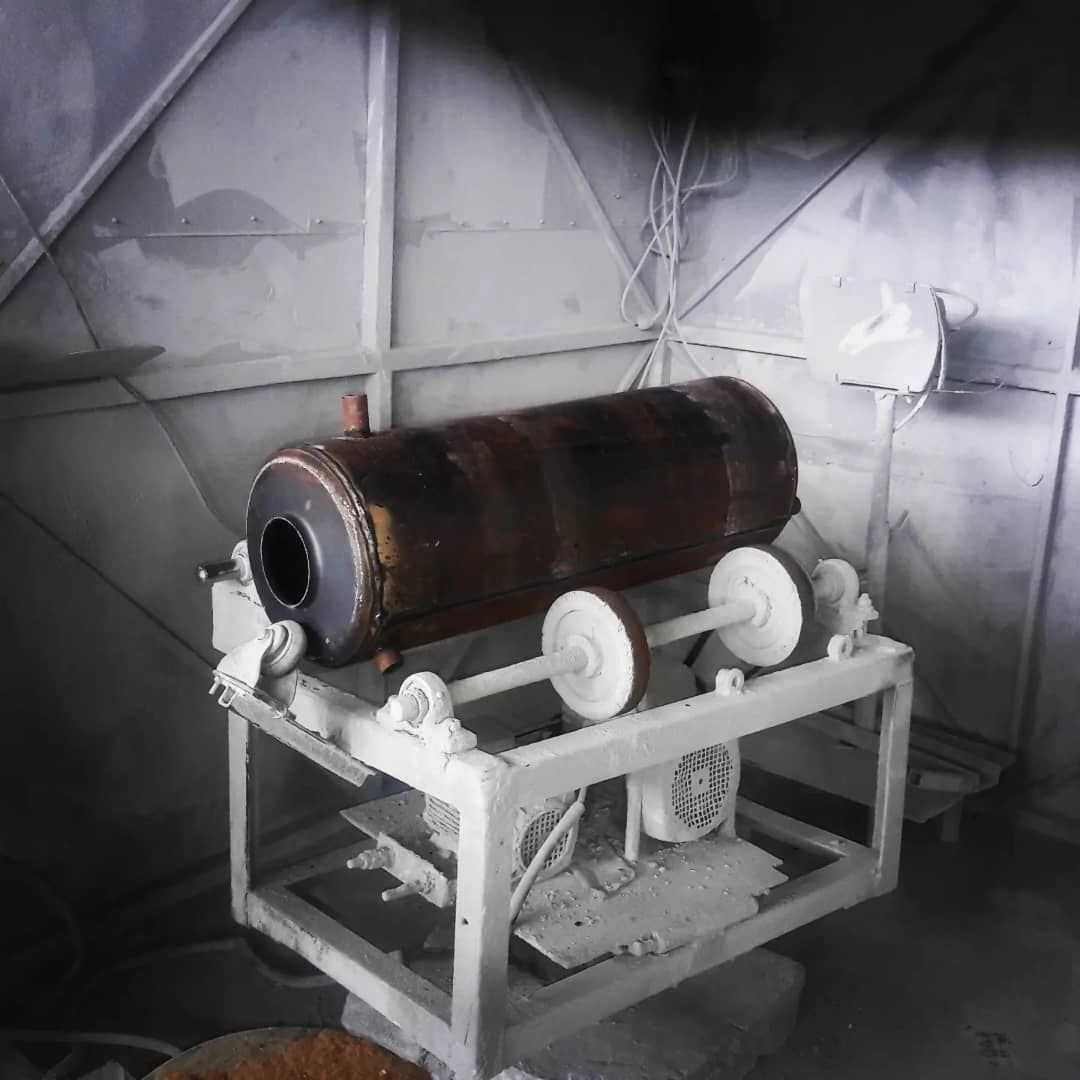
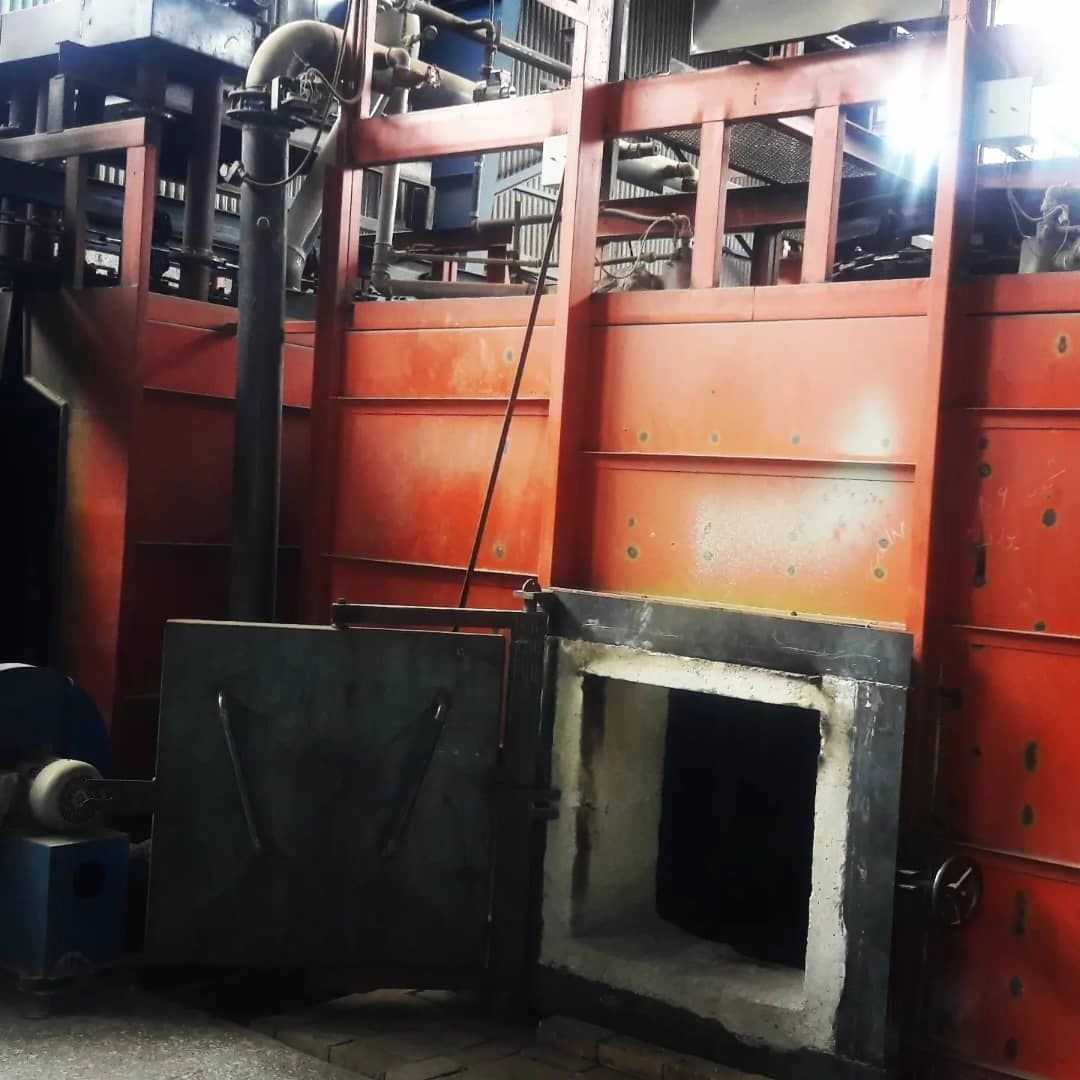

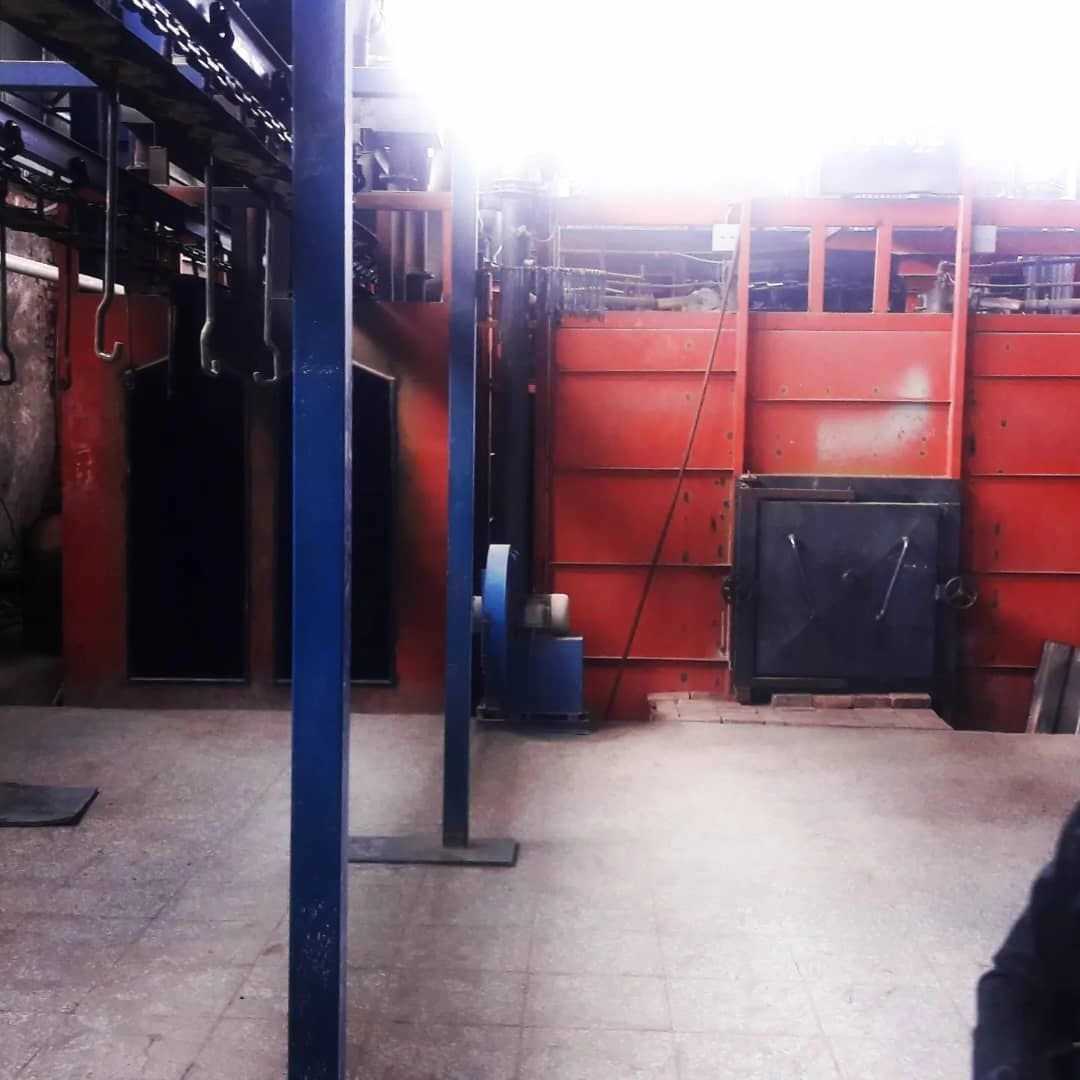
- Precise temperature control
- Very high thermal accuracy
- zero pollution
- Suitable for precise and laboratory industries
- economical and powerful
- Suitable for high production volume
Temperature range of glaze firing furnace
Depending on the type of glaze and body, the firing temperature is different:
- Low temperature glaze: around 700 to 900 degrees Celsius
- Medium glaze: around 900 to 1100 degrees Celsius
- High temperature glaze: around 1200 to 1300 degrees Celsius
The main components of the glaze firing oven
A standard baking oven includes the following parts:
- Heating system (gas torch or electric element)
- Fireproof body with multi-layer insulation
- temperature control system (PLC or industrial thermostat)
- Accurate thermal sensors
- Ventilation and chimney system
- Carriage or transfer belt (in tunnel models)
Advantages of using a standard glaze firing oven
✔️ uniform and flawless cooking
✔️ reducing production waste
✔️ increasing beauty and final quality
✔️ increasing the productivity of the production line
✔️ Full control of the cooking process
Usages of glaze firing furnace
Glaze firing furnace is used in various industries, including:
- Tile and ceramic industries
- sanitary and building porcelain
- Enamelware
- laboratory equipment
- heat and corrosion resistant industrial coatings
Important points in choosing a glaze firing oven
In choosing the right furnace, you should pay attention to the following:
- Type of product and glaze used
- Daily production capacity
- Maximum required temperature
- Accuracy of the temperature control system
- Energy consumption and safety
- After-sales service and technical support
Summary
The glaze firing furnace is one of the most vital equipments in the ceramic and glazing industry, which guarantees the appearance quality, strength and ultimate durability of the product. Choosing the right furnace with engineered design and precise temperature control has a direct effect on reducing waste and increasing production quality.