
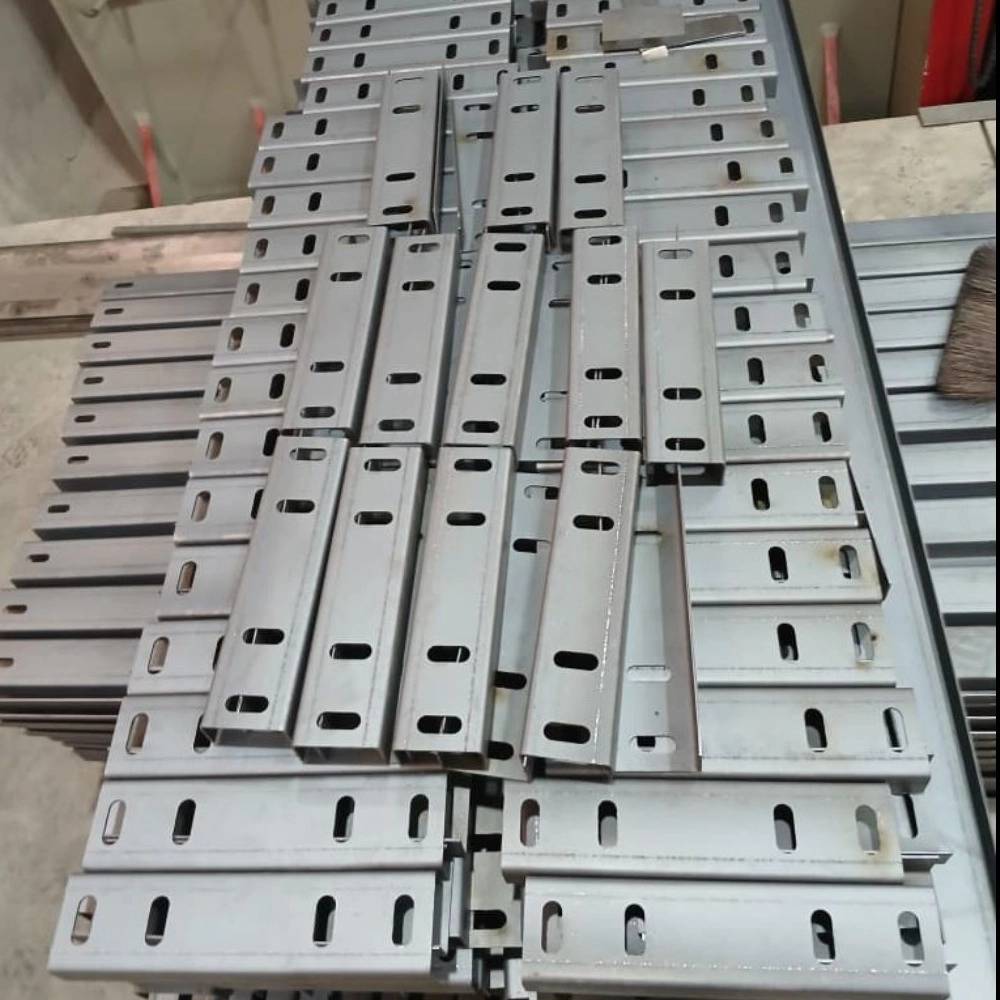
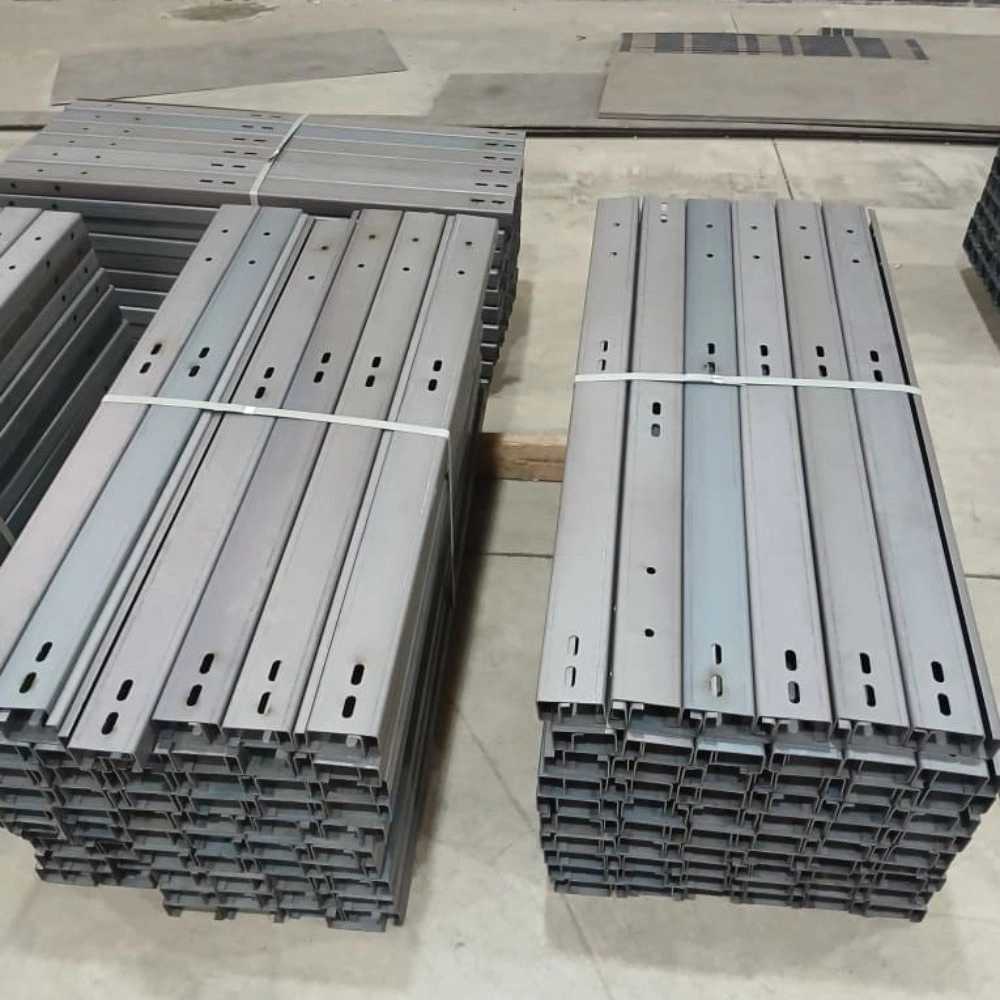
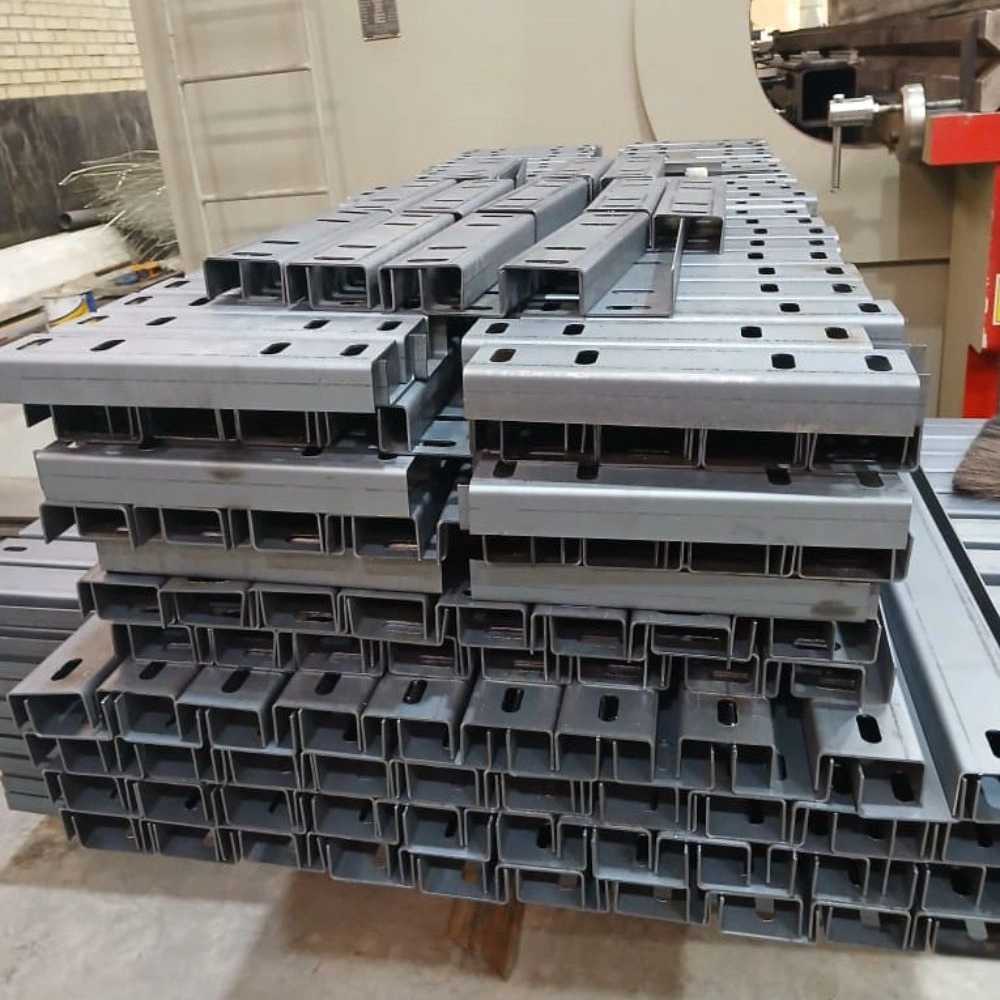
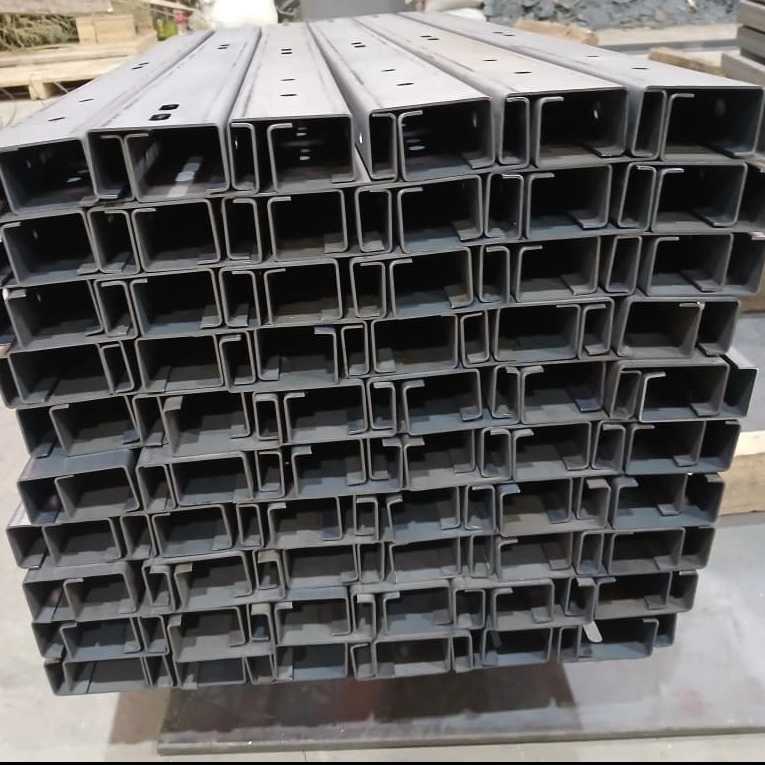
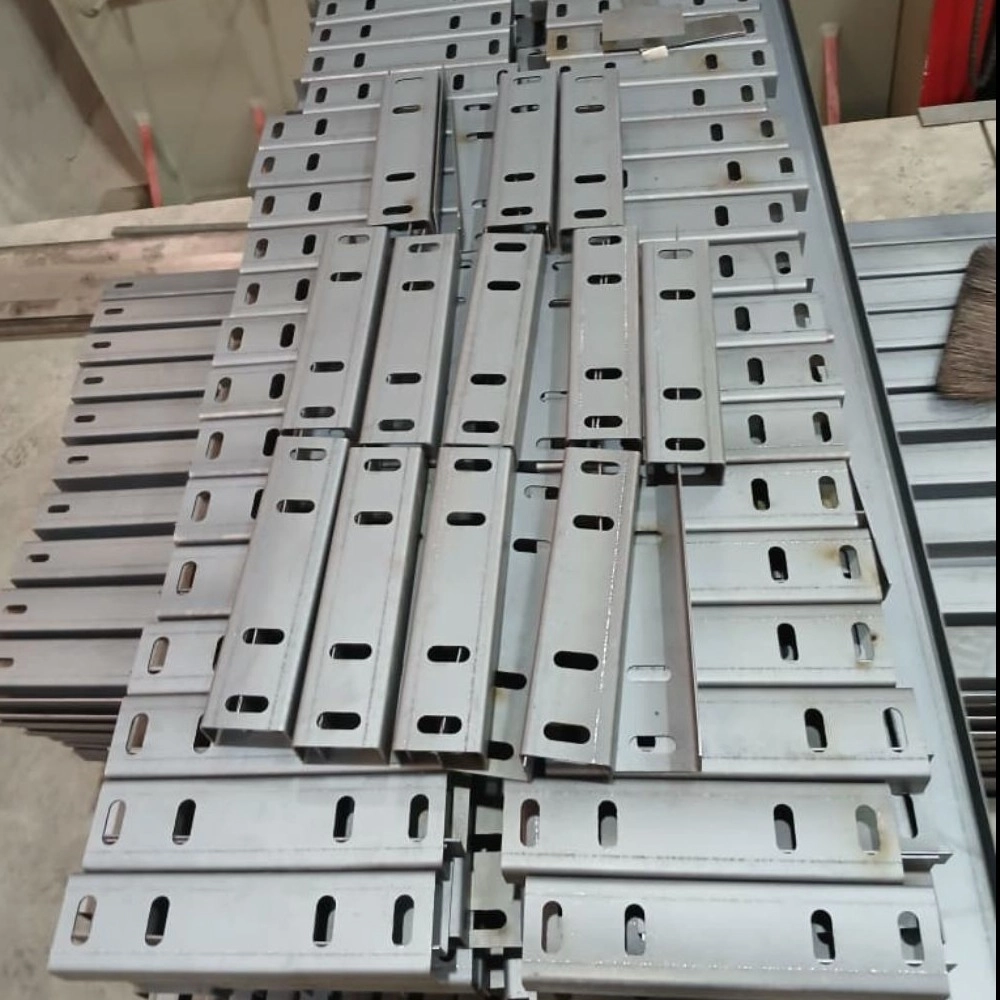
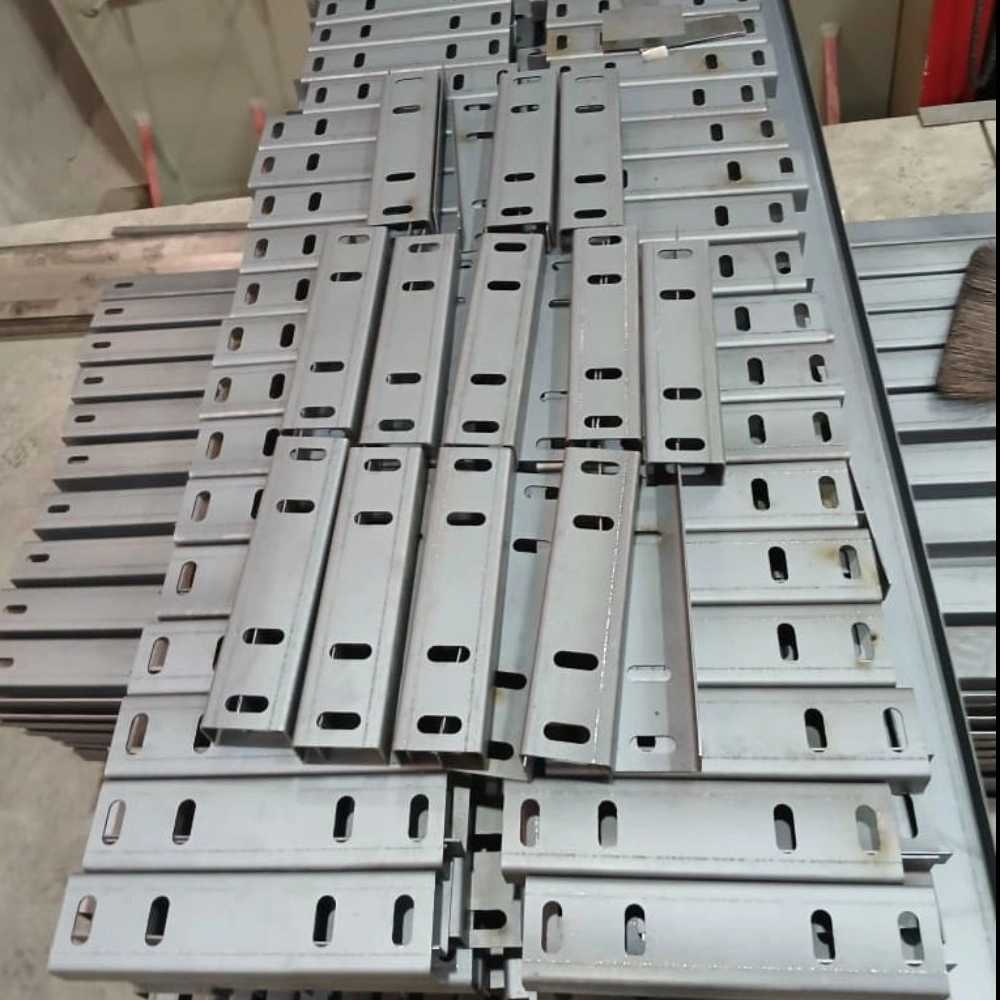
Solar panel structure, frame and base components, materials, structure resistance to wind and rust, and detailed installation requirements are checked.
Introduction
Solar Panel Structure is the basic part of every photovoltaic system which is responsible for maintaining the angle, stability and strength of the panels against environmental factors. The choice of material, appropriate design and installation standard of this structure determines the life span, efficiency and safety of the entire system.
The main components of the solar panel structure
This section is the framework that holds the modules.
- Aluminum: light, rustproof, suitable for wet areas
Bases are different depending on the application situation:
- Ground Mount Structure for large power plants
- Roof mount structure for home and commercial use
- Moving structure (Tracking System) with the ability to adjust the angle of the panel during the day for maximum light absorption
These fittings are often made of stainless steel or special aluminum so that they do not rust in rainy or coastal conditions.
The nature and characteristics of the ingredients
- Anodized aluminum: high corrosion resistance and lightness
- Hot galvanized steel: long durability, suitable for windy places - Carbon steel with electrostatic powder coating: industrial application with beautiful effect and long service life
design and installation requirements
Design factor
The installation angle (Tilt Angle) should be adjusted based on the latitude of the area to receive the most radiation.
Resistance against the wind structure should be designed according to IEC 61215 and TUV standards.
The distance from the ground level is taken into consideration for proper ventilation and reducing the working temperature of the panels.
Earthing is necessary to prevent electrical hazards.
Advantages of standard solar panel structure
Increasing stability against wind and earthquake
- Longer lifespan of electrical panels and connections
- Ease of service and periodic repairs
- accuracy in the angle of solar radiation efficiency
Important implementation tips
- Using height adjustable legs for uneven surfaces
- Choosing the right profile thickness based on the number of panels and the wind pressure of the area
- Accurate and standard level installation plan to prevent the accumulation of dust on the glass panels
Summary
Solar panel structure is not just a metal base; Rather, it is the backbone of the photovoltaic system. The correct selection of the structure, material and installation angle ultimately leads to increased efficiency, reduced maintenance costs and long-term stability of the system.