

What is a ferrite (ceramic) magnet? Check out the features, uses and benefits
Ferrite magnet, which is also called ceramic magnet, is one of the most widely used types of permanent magnets in various industries. This type of magnet is used in many electronic and industrial equipments due to its reasonable price, high corrosion resistance and magnetic stability. In this article, we will learn about the structure, features, applications and benefits of ferrite magnets.
What is a ferrite magnet?
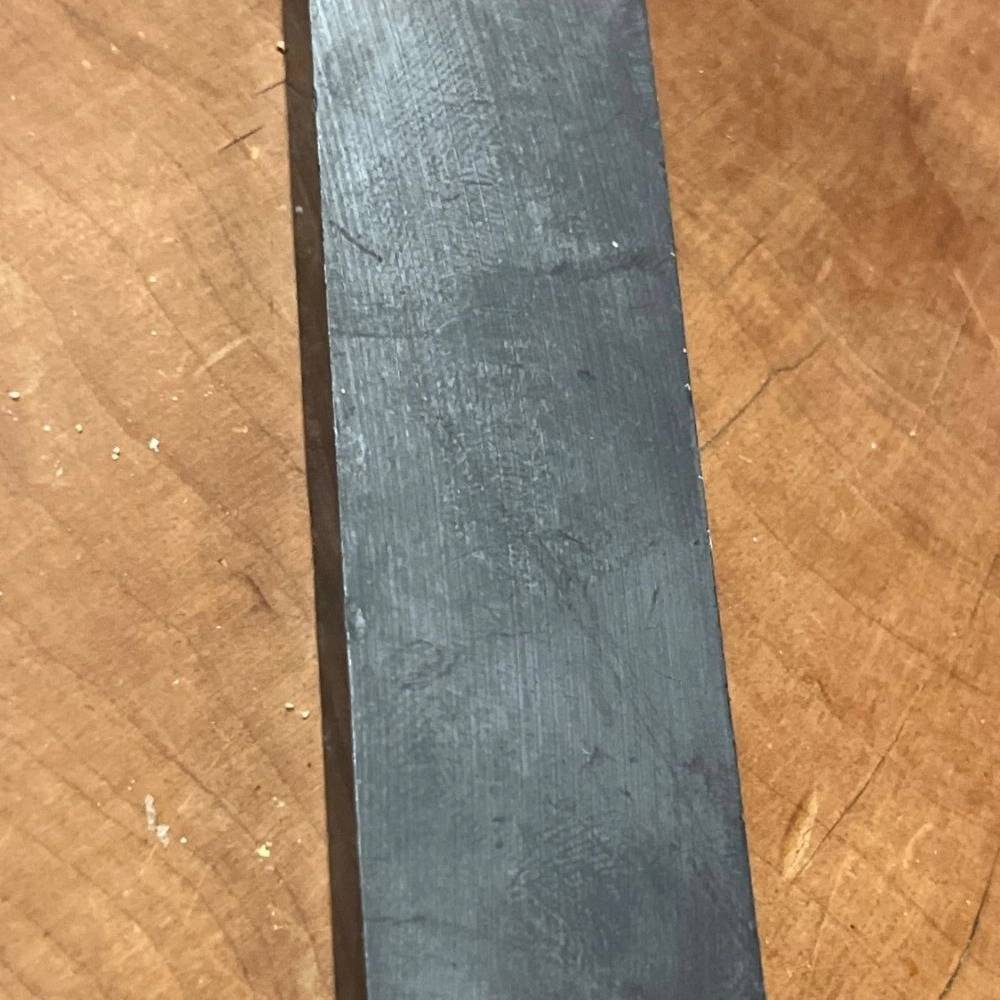
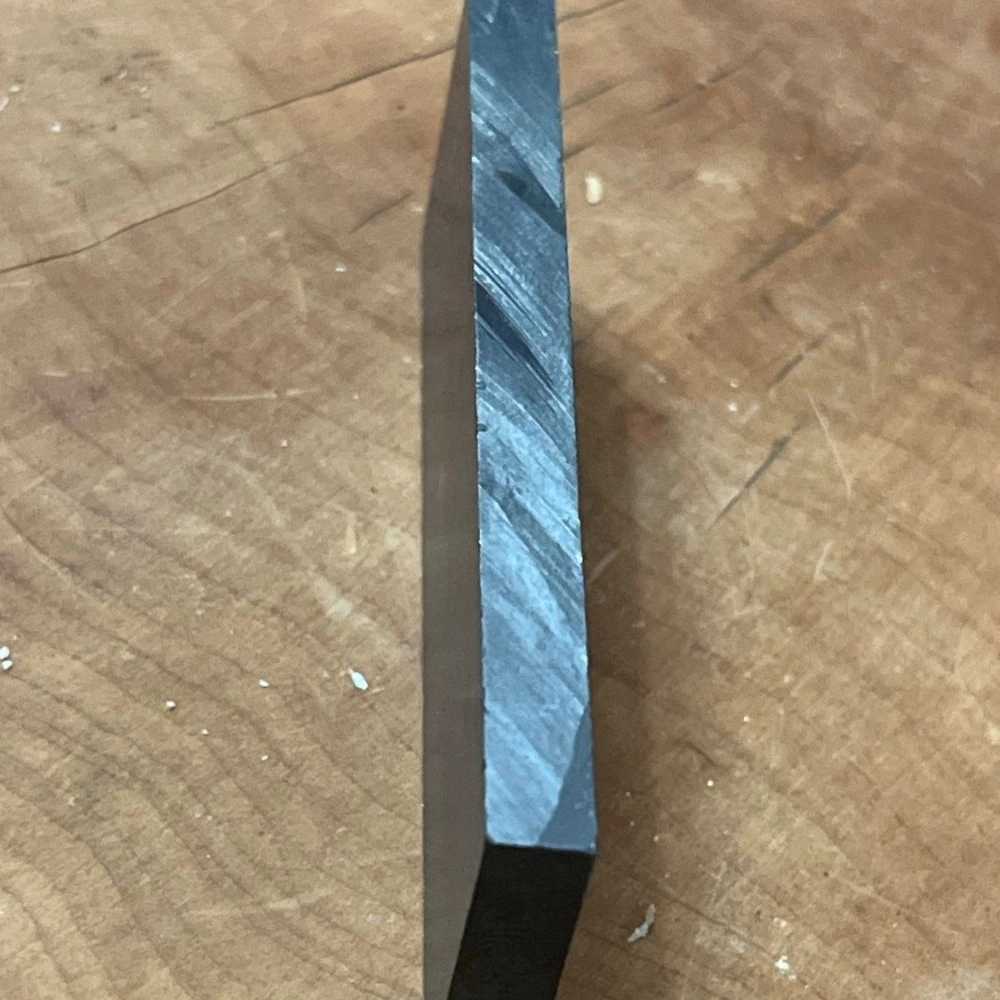
A ferrite magnet is a type of permanent magnet that is made from a combination of iron oxide (Fe₂O₃) with metal elements such as barium or strontium. After compression and baking at high temperature, this composition turns into a hard and ceramic-like material that has strong and stable magnetic properties. For this reason, these magnets are also called ceramic magnets.
Features of ferrite magnet
- High resistance to rust and corrosion
- Reasonably priced compared to many other magnets
- Proper magnetic stability over time
- Good resistance to relatively high temperatures
- No need for protective cover
Of course, it should be noted that the magnetic power of ferrite magnets is less than that of neodymium magnets, but in many applications this power is quite sufficient and economical.
Applications of ferrite (ceramic) magnet
Due to low cost and high durability, ferrite magnets are used in various industries. Some of the most common applications of this magnet are:
- Use in speakers and audio systems
- Small electric motors
- Generators
- Sensors and electronic equipment
- Fridge and freezer door
- automotive industries
- Educational and laboratory tools
This variety of applications shows that ferrite magnets are one of the important components in many electronic and industrial products.
Advantages of ferrite magnet over other magnets
One of the reasons for the popularity of ferrite magnets is the right balance between price and performance. Compared to neodymium or alnico magnets, these magnets have a lower production cost and are very resistant to environmental conditions such as moisture. Also, due to the ceramic structure, these magnets are highly resistant to oxidation and in many cases do not need a protective coating.
Summary