
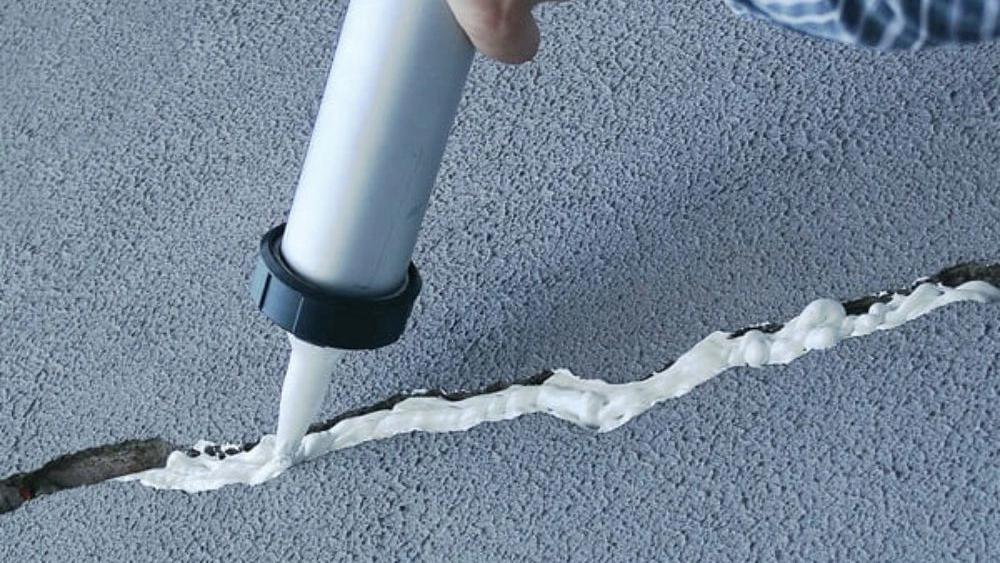
Sealant is an adhesive material that is used to prevent water, air and other liquids from entering buildings, structures or systems. These materials are used in many industries and construction and industrial projects and are used to prevent leakage, penetration and destruction caused by moisture. There are different types of sealing adhesives and each has its own characteristics and uses.
1. Cement adhesives
This type of glue consists of cement compounds and other components, which usually include additives and various materials such as sand and water. Cement sealant is used as an adhesive and sealant to create a strong bond between surfaces. Cement sealant is commonly used in projects such as sealing roofs, ponds, basements, and bathrooms as a The effective material is used to preserve buildings and prevent water and moisture penetration.
2. Epoxy adhesives
Epoxy sealing glue is very important for projects such as sealing bathrooms, swimming pools, floors, dams and industrial projects. Since it has excellent sealing and mechanical properties, it provides excellent performance in the face of harsh conditions and water and humidity.
3. Polyurethane adhesives
Polyurethane sealing glue is used as a very efficient sealing and insulating material in various projects including sealing roofs, underground surfaces, terraces and even sealing industrial structures. Because it has unique properties, it performs well in facing the challenges related to sealing and insulation.
4. Silicone glue
Silicone glue is generally used for sealing and insulating in places that are in contact with moisture and water. This glue has a good resistance to water and humidity and is usually used to seal pools, showers, bathtubs and surfaces that are in direct contact with water.
What is cement glue?
Cement glue is a material that is used to connect different construction materials to concrete or to connect concrete materials together. These types of adhesives are made of materials that have high adhesive strength after drying. They are able to withstand various environmental effects, including the effect of humidity, heat, as well as the contraction and expansion of concrete. Concrete adhesives are usually used as an intermediate layer in concrete joints and structures. These adhesives must have suitable mechanical and chemical properties in order to prevent unwanted separations and damage to structures.
What are the types of cement glue?
They work well for bonding concrete to concrete, metal and even wood and are versatile adhesives. Polyurethane adhesives are another type of reactive adhesives that are very flexible. This feature makes them ideal for applications that require some degree of movement or expansion. They create strong bonds and are used in various concrete projects as well as for plastic or rubber materials.
The second group is non-reactive adhesives. Such concrete adhesives do not need a chemical reaction to dry and harden. Rather, by applying pressure, lowering the temperature or evaporating the solvent, they dry and harden. Acrylic glue is a clear example of such glues, which is water-based, easy to use, and has excellent adhesion for internal and external applications. The cement adhesives mentioned in the introduction are non-reactive.
Cement adhesives are commonly used to bond tiles to concrete surfaces. Therefore, they are an excellent option for projects that include tiling and flooring.
Implementation of a variety of sealing glue in Alborz
Today, the use of cement glue in swimming pools has become very common. These adhesives usually have waterproof properties and have high resistance to water pressure. Therefore, they are used as a suitable choice for facing wet environments such as swimming pools. The method of using such adhesives is also different depending on their type. A type that is mostly used for swimming pools and is also known as cement glue has a simple application. Just dilute the glue with a special solvent or with water.
Then, according to the instructions of the glue and with the specified percentage, add materials such as sand, sand and cement to the created solution. After adding these ingredients and mixing them together, a paste and ready-to-use mixture is obtained. Therefore, using cement glue is not so complicated. However, to achieve better results, you can leave this work to the experts.
How to use cement glue in the pool
As stated at the beginning of the article, using cement glue in the pool is one of the common methods of sealing pools. This method has been tried many times and has resulted in the satisfaction of users in many cases. However, some people believe that cement glue is a supplementary method in sealing pools and should not be used alone as the main method.
However, master craftsmen and more experienced technicians believe that such glues can be used as the main method of sealing by observing a few points. Among these tips is choosing the right glue or combining glue with cement mixtures. They believe that these simple tips can completely prevent water leaks and effectively seal the pool.
Method of sealing pool and concrete and blocking tanks with cement glue
The methods of sealing swimming pools and concrete and block tanks with cement glue are more or less similar and have specific steps. One of the first steps for this is surface preparation. It means that the surface must be carefully cleaned and shaved so that it is smooth and free of dust. Using primer is another step.
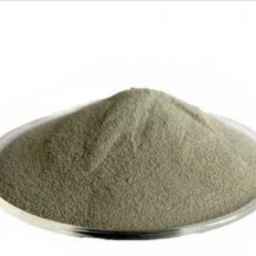
Primer is an additive that is applied to the surface of concrete to help increase the adhesion of cement adhesive. This makes the cement glue stick to the surfaces better and more firmly. After these steps, you should prepare cement glue according to the manufacturer's instructions. Usually, these types of adhesives are presented in powder and liquid form and must be carefully combined.
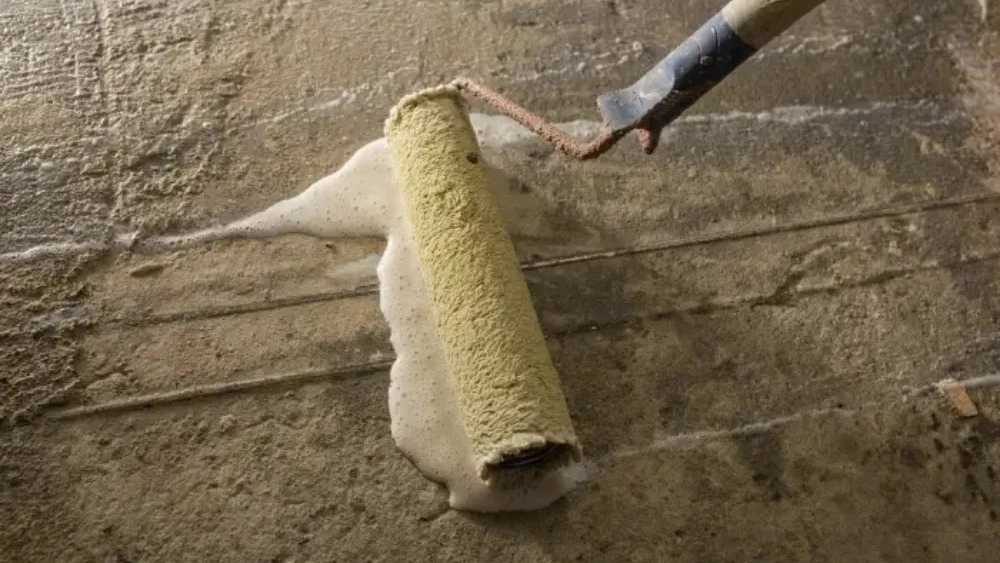
Finally, it is time to apply cement glue to the desired surface. Apply cement glue on the surface of concrete or blocks using suitable tools such as brush, roller or manometer. Make sure that the glue is spread on the surface as a uniform layer and with a specific thickness (according to the manufacturer's instructions). In some cases, after applying the cement adhesive and before it dries, other protective layers are also applied to the surface.
These layers are usually made of polymer materials and act as an additional protective and sealing layer. The final stage is drying and sealing test. The sealing test is done in order to ensure the absence of leaks or possible penetrations.