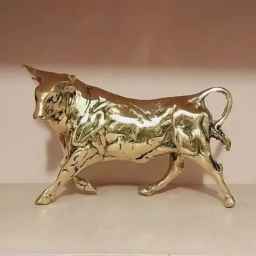

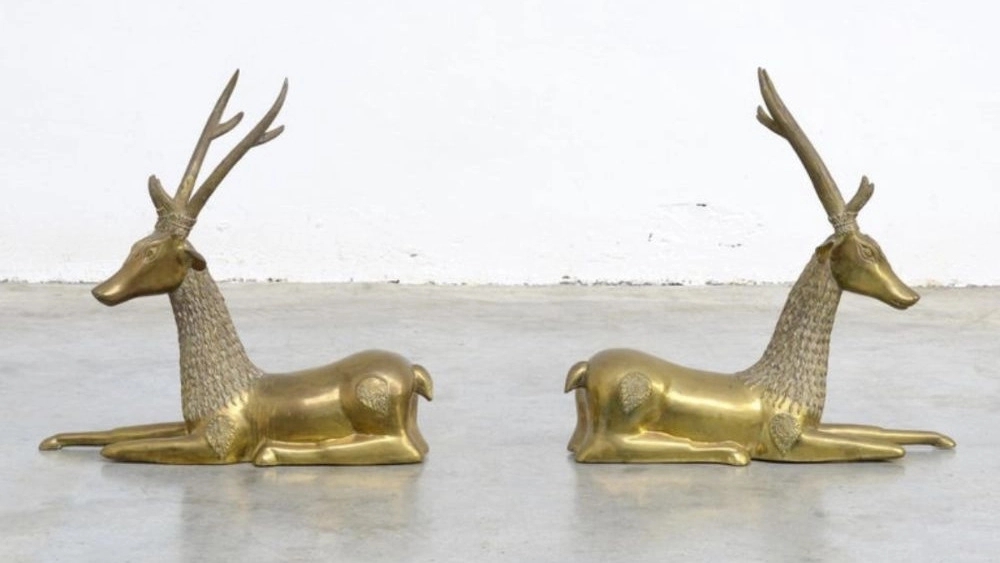


Bronze statues left from ancient times are limited in number and it seems that many statues were burnt and melted in that era. Therefore, the melting property of bronze metal is one of its disadvantages. Bronze is a very widely used alloy. It can be used in industrial casting processes as well. Sand casting and centrifugal casting are other uses of bronze.
What is Bronze Casting?
Bronze is an alloy that mainly consists of copper and tin. This element has played a very important role in human civilization for thousands of years. Its unique combination and the strength, durability and attractiveness of this alloy make it a favorite element in art, architecture and various industries. Bronze is one of the most popular metals used for casting. This alloy is golden to yellow in the beginning and turns green over time. Sand casting and centrifugal casting are other uses of bronze.
Bronze
Carpet Casting with Wax (Investment Casting)
Last wax casting is used to create unique objects with high detail. For this purpose, the used mold is made around a wax model, which will be destroyed when the mold is heated. In this way, the space required for the entry of molten bronze and casting will be created. After the bronze has cooled and solidified completely, the piece can be removed from the mold. In this technique, the wax model is covered with a ceramic layer and a bronze piece will be made by entering this ceramic negative mold. The ceramic molds used in this technique have very detailed details, but in the end they must be broken in order to remove the piece.
Sandy mold
As the name of this method suggests, a sand mold is used for molding and casting. First, sand is enclosed in a frame around a specific pattern with resin. Clay is used to strengthen and improve the properties of sand. In the future, when the model leaves the sand mold, conditions will be provided for the entry of molten bronze. At the end, after the bronze alloy has cooled down, the cast piece can be easily removed.
Centrifugal casting
Centrifugal casting is a common technique for manufacturing industrial parts. In this method, a rotating mold is used to shape and make the product. Usually, this technique is used to produce metal pipes, but you can produce all kinds of parts with circular, hexagonal and symmetrical sections in this way.
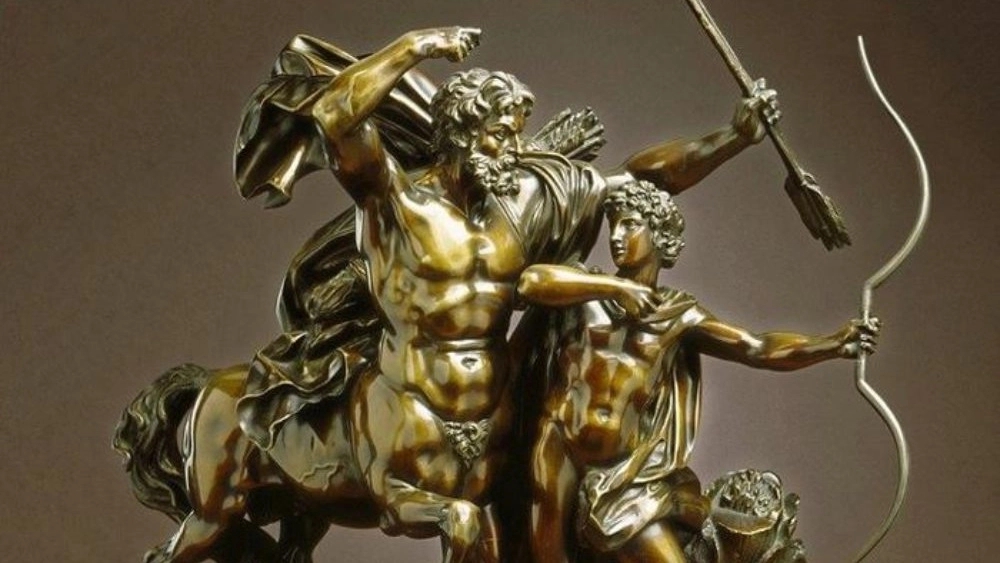
Sculpture production with bronze casting
The production of bronze statues goes back thousands of years. The first bronze statue dates back to 2,500 BC. Other bronze historical objects include weapons and tools cast with bronze. These products belong to a historical period called the Bronze Age and have been found in various regions such as Iran, Greece, India, Africa, China, etc. Bronze casting objects have played a very vital role during human civilization.
Bronze is known as the most popular alloy for sculpture production due to its good adaptability, ease of use, and very good formability. Usually, during the bronze casting process and when this alloy cools down, we see expansion; This makes all the details of the mold to be imprinted on the statue and bronze piece. In addition, as the bronze continues to cool down, we also see its contraction, which helps it to come out of the mold more easily. Since bronze is one of copper alloys, it has a lower melting temperature compared to many metals.
They usually use wax models with ceramic coating to produce bronze sculptures by casting. In this case, after molding and exiting the part, several other steps must be followed. In general, most sculptures consist of several castings that must be welded together. Next, the surface of the statue will be fully polished and the necessary details will be added to it. Finally, the required chemical coatings and colors are added to the surface of the bronze statue. This coating or patina will strengthen the bronze and make it last longer. To make patina, they usually dissolve ferric nitrate, cupric nitrate and potassium sulphide in water.
Bronze casting applications
Bronze casting is used in various industries due to the unique physical and mechanical properties of this alloy. Bronze, which is made from a combination of copper and tin with small percentages of other metals such as aluminum and nickel, exhibits characteristics such as high corrosion resistance, hardness, and high durability. These features have made bronze casting to be used in various fields from mechanical and marine industries to art and sculpture. In the following, we discuss the main applications of this process in different industries with different titles:
1. The use of bronze casting in the marine industry
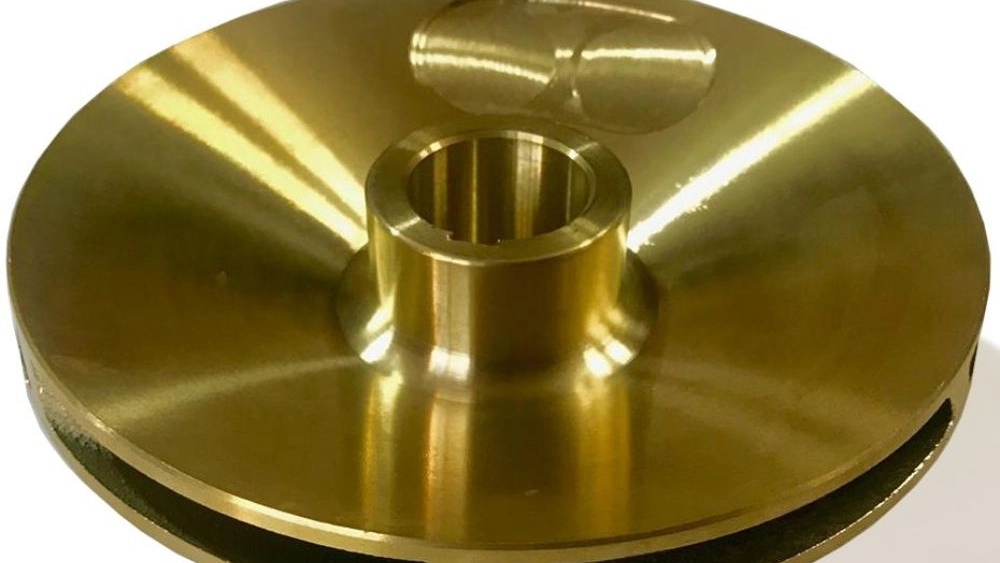
One of the main uses of bronze is its use in marine industries. Due to its excellent resistance to corrosion caused by salt water, bronze is very suitable for making marine parts and equipment. Ship propellers, pump parts, and marine fittings are all parts made from bronze. The use of bronze in these parts increases their lifespan in wet and corrosive environments and requires less maintenance.
2. Bronze casting in the automotive industry
Bronze casting also has many applications in the automotive industry. Mechanical parts sensitive to wear and friction, such as bearings, bushings, and gears, are usually made of bronze. These parts have optimal durability and performance due to the outstanding mechanical properties of bronze, such as high resistance to wear and friction. Also, bronze maintains its properties at high temperatures, and this has made it used in parts that require heat resistance.
3. Use bronze in mechanical and industrial equipment
Due to its mechanical and chemical resistance, bronze is also used in the production of mechanical and industrial equipment. Parts such as pumps, valves, gears and connecting parts that need to withstand high pressure and resist wear and corrosion are made of bronze. These parts are used in various industries such as oil and gas, petrochemical and heavy machinery manufacturing. The anti-corrosion and anti-wear characteristics of bronze make the equipment made of this material last longer and perform better in difficult working environments.
4. The use of bronze casting in electronic industries
Bronze plays an important role in electronic industries due to its anti-magnetic properties and good conductivity. Some electrical connections and conductive parts are made of bronze. The anti-magnetic property of bronze makes it suitable for use in environments where protection from magnetic fields is required. Also, due to its electrical conductivity, bronze is used in the production of sensitive electronic parts such as switches and electrical connectors.
5. Bronze casting in art and sculpture industries
One of the oldest uses of bronze is its use in art and sculpture industries. Due to its high formability and long-term durability, this alloy is used in the production of works of art, including sculptures and decorative works. Many of the historical statues left from ancient times are made of bronze. Also, large modern and artistic sculptures in public spaces are also usually made of this material. The high resistance of bronze against corrosion and oxidation has made it a suitable material for large sculptures in open spaces.
6. Bronze applications in the aerospace industry
Bronze is also used in the aerospace industry due to its high resistance to pressure, wear and corrosion. Bronze parts are used in parts of airplanes that require high mechanical strength. Bronze is also used to produce parts that need to withstand high temperatures and extreme conditions due to its anti-magnetic property and high thermal resistance. For example, bronze is used in the production of parts such as aircraft bearings and hydraulic equipment.
7. Use bronze in music tools
Another interesting use of bronze is its use in musical instruments. Some musical instruments such as cymbals, bells and gongs are made of bronze alloys. Bronze is used in the production of these instruments due to its excellent acoustic properties. The sound produced by bronze musical instruments has high resonance and clarity, which makes it very valuable for musicians and music producers.
8. Bronze casting in the military industry
Bronze is also used in military industries due to its high resistance to impact and pressure. Cannonballs, parts of armor and war equipment are among the products that are made of bronze. Also, bronze is used in the manufacture of weapons and war tools due to its resistance to oxidation and corrosion. These features make the military equipment made of bronze able to perform properly in harsh war conditions and humid and corrosive environments.
9. Bronze application in the manufacture of pipes and fittings
In liquid and gas transmission systems, pipes and fittings made of bronze play an important role due to their high resistance to corrosion. Bronze pipes are especially used in water supply systems and heat transfer systems. These pipes work very effectively in wet and salty environments, such as marine water supply systems, and have a long lifespan.
Bronze casting applications have been expanded in various industries due to the outstanding properties of this alloy. From the marine and automotive industries to the aerospace and sculpture industries, bronze has become one of the most widely used materials in these industries as a material with anti-corrosion properties, hardness and high durability. These unique properties have made bronze casting still one of the main processes in the production of industrial and artistic pieces.