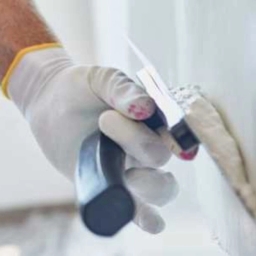

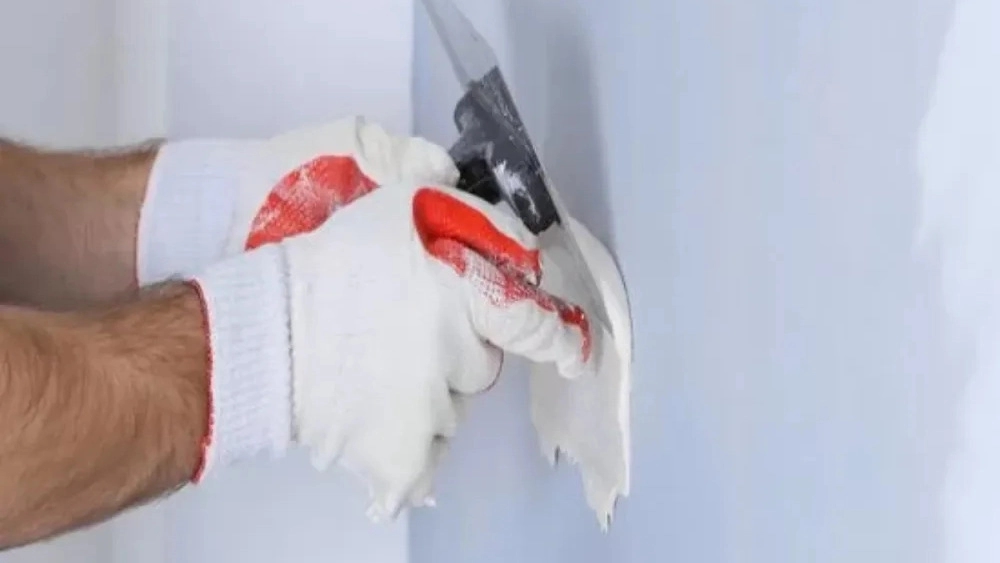
Gypsum is one of the most important building materials and its different types have different uses. After finishing the initial plastering, i.e. doing the following work, we use the facing plaster. Facing plaster is a product that is applied on the surfaces after the initial plastering with the underlay plaster and has a direct effect on the beauty. Plaster plaster should have features that add to the beauty of the work because plaster plaster is used in the final stages.
What is a white plaster or a rolling plaster?
In fact, whitewash plaster is a type of plaster used for whitewashing operations in buildings, and because it is the purest and whitest plaster in the plastering process, it is used for joinery and whitewashing. This plaster has a high level of adhesion and has a lower price compared to other plasters.
Whitening plaster can be produced in different meshes of 40, 60 and 100 (micronized plaster). For the production of this product, gypsum stone with 98% purity is used, and in addition, whitewashed plaster usually has a higher initial and final setting (secondary setting) than the under-worked plaster. White plaster can be used without underlayment, but a higher thickness is used, which is not economical. White plaster can also be used in soil plaster mixture. White plaster is sold in 40 kg bags.
Types of white gypsum
Note: Polymer plaster is a type of construction plaster that contains polymer additives and hydrated lime as well as the mineral perlite. In its composition, it has significant advantages, such as the ability to be used in plastering machines, longer setting time, lighter weight, and better insulation properties than ordinary plaster.
What is a subsidized plaster?
Base plaster is used as the first layer of plastering on all kinds of surfaces. This plaster creates a base and smooth surface for subsequent layers. If the initial plastering is done correctly, painting or tiling the wall will also be done in the best way. On the other hand, if the plaster has cracks or creates an uneven surface on the wall, the final result will not be of high quality. Therefore, it is very important to choose and use the correct plaster under the work.
It is good to know that the method of production of face plaster and sub-face plaster is similar, but face plaster needs equipment with higher technology in the initial process, sanding and grinding. The thickness of plasters used in construction is generally 11 mm for walls and 8 mm for ceilings.
Types of gypsum
In general, two different types of plaster are used as underlay plaster, which are:
Gypsum soil:
The first plaster is soil plaster, which is also known as Daga plaster. This type of plaster is a combination of clay, fine aggregate and fibers. other materials such as paint, lime; Fertilizer and linseed oil may also be added to this plaster to create different characteristics and properties.
Siva plaster:
Another type of plaster is Siva plaster. This product is a kind of lightweight product group. Siva is a type of plaster that is used as the first layer of plastering on various types of building materials such as clay, cement block, brick, light cement block, polystyrene, etc.
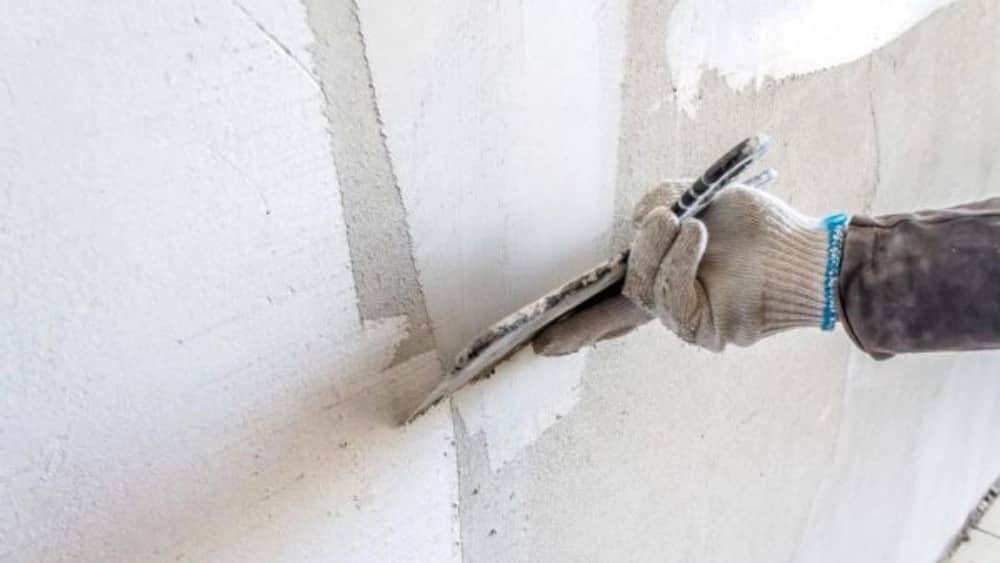
What are the best types of gypsum for whitening
All kinds of plaster suitable for final plastering and payment at a reasonable price are provided by this center. Today, various types of white plaster are available in the market in different brands, which may differ in quality. In the following, we discuss the characteristics of high-quality facing plaster so that our valued customers can make a more suitable choice among hundreds of available brands.
Micronized plaster
This product is the best material produced by plaster factories. Due to the unique softness and uniformity of its particles, micronized plaster has a favorable performance in polishing surfaces. Proper grip will allow the product to be used optimally, and the plaster layer will have high strength after drying.
It is safe to say that micronized plaster is the best and most widely used product of plaster factories and is used in various industries. As long as the material under the work does not cause a problem for plaster adhesion and the climate of the execution area is moderate and suitable, micronized plaster will be the best choice.
Satin plaster
This plaster is a composite product produced on the basis of micronized plaster. Surfaces treated with this plaster are anti-scratch, anti-scratch and anti-impact and will have extraordinary strength.
This plaster is a composite product produced on the basis of micronized plaster. Surfaces treated with this plaster are anti-scratch, anti-scratch and anti-impact and will have extraordinary strength.
High primary and secondary grip and acoustic properties are stronger than other properties of this composite plaster. The exclusive use of this product is the final whitening and polishing of building surfaces. Satin plaster with high resistance to sound, heat and moisture can be used on concrete, exposed concrete, porous concrete, sponge concrete, brick and roof. The surfaces covered with this product will be very smooth, uniform, clear and shiny.
Gypsy plaster
Spray plaster
This plaster is the product of adding special polymers to the micronized base plaster. Unlike other types of plaster, it is applied by a plastering machine. The speed of plastering is 3 to 5 times that of the traditional method and creates very hard and strong surfaces. Compared to other types of plaster. Desirable compressive strength is one of the other features of sprayed polymer plaster. High adhesion, no cracking of the surfaces after drying, compatibility with all types of climates, high flexibility against scratches and low density, all of them are unique features. They are spray plasterers.