


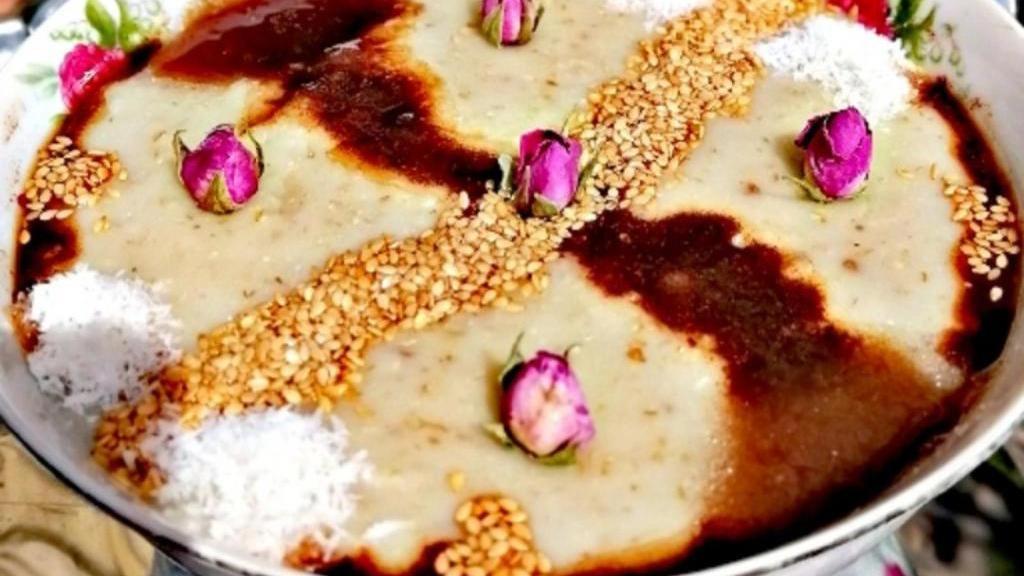

Important Tips Related to Halim Consumption
1- Be careful about your weight when eating Halim. A bowl of Halim has approximately 150 calories, which if consumed with a spoonful of sugar, a palm of bread and oil, has 350 to 300 calories.
2- Haleem is a healthy and very nutritious food, but if you have high blood sugar or fat, you should pay attention not to use sugar and oil with it or use it as little as possible. 3- If You can make Haleem at home using sprouts Prepare wheat or at least whole grain wheat. 4- Do not use the leftover halim, because if the halim remains for a few hours or days, its starchy material becomes indigestible and its starch turns into resistant starch and causes digestive discomfort.
5- Some people use wheat germ in cooking Halim. Due to the presence of wheat germ, this Halim is a very good source of various vitamins and minerals in addition to its high satiety properties. On the other hand, due to the interactions that occur during germination in the wheat grain, the amount of calories in the wheat germ is greatly reduced, which is one of the advantages of enriched halim compared to common halim.
6- Haleem is an excellent source of protein and is one of the slow digesting foods. For this reason, consuming it at dawn makes you not feel hungry for a long time.
7- Do not eat Haleem with too much sugar and oil during Iftar, because it causes stomach irritation, excess weight, and severe thirst. They often compensate this thirst by drinking large amounts of water and cold drinks. This will dilute the gastric juice and delay the digestion of food. The result of this behavior is flatulence and other digestive discomforts.
8- Halim is a good source of iron due to its wheat and meat and is recommended for women, young girls and people who are at risk of anemia.
p>
9- Do not lie down immediately after eating Halim, because this food is slow to digest and causes you to suffer from heartburn and stomach discomfort.