
CO2 welding components
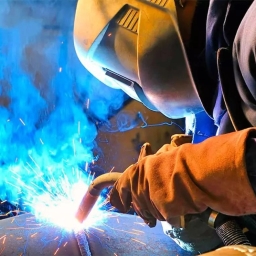
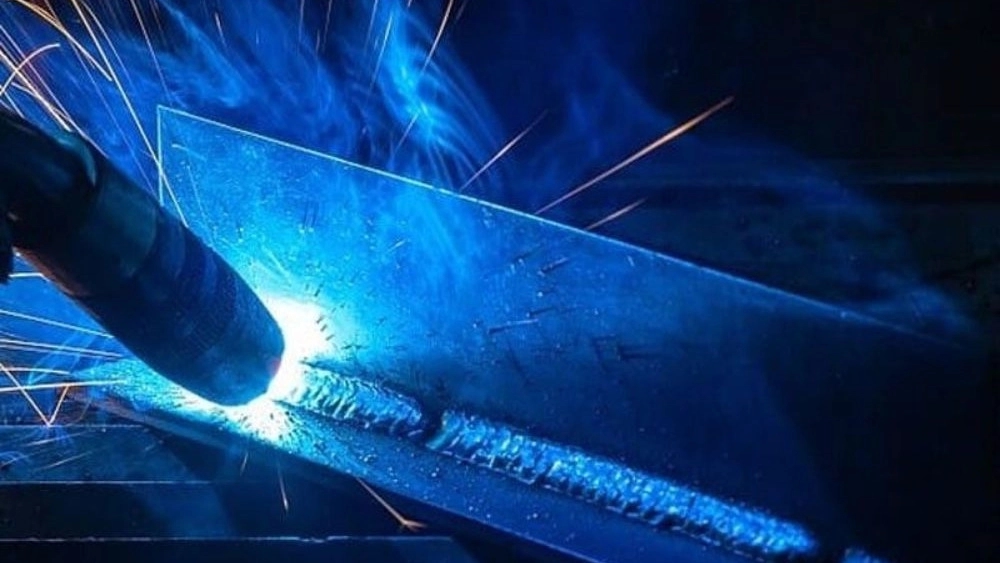
CO2 welding uses a solid wire made of the same material as the base metal. The co2 welding wire is continuously fed from a spool through a welding gun to the welding area.
Protective gas
In CO2 welding, carbon dioxide gas is used as a protective gas. CO2 gas is released around the welding arc to protect the molten weld pool from atmospheric contamination. While CO2 is commonly used, some applications may use a mixture of CO2 and other shielding gases to improve weld quality and reduce spatter.
Power supply
A power source, usually a welding machine, provides the electrical current necessary to create and maintain the welding arc. CO2 welding can be done with both direct current (DC) and alternating current (AC), although DC is more common.
Torch welding
A welding torch is a hand tool that delivers the co2 welding wire to the welding area and directs the flow of shielding gas. It also includes a trigger and controls for the welding process.
CO2 welding quality
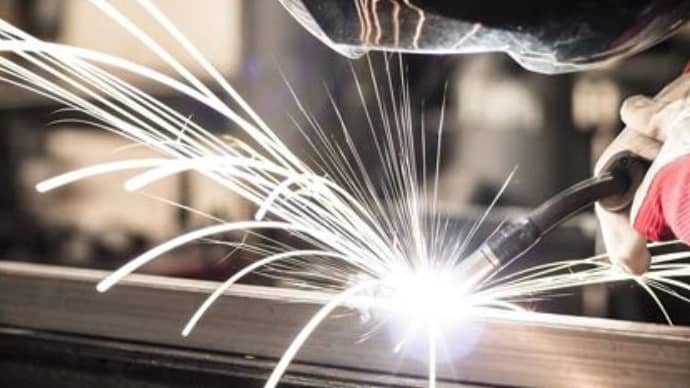
Weld quality can be affected by factors such as weld spatter and porosity, especially when only 100% CO2 is used as shielding gas. Mixing CO2 with other gases can improve weld quality in some cases. One of the most influential factors in welding is the selection of a quality welding electrode or wire. Because the wrong choice leads to porosity and weak welding and causes a lot of damage to your project.
The benefits of welding CO2
High welding speed
CO2 welding can achieve high deposition rates, which makes it efficient for manufacturing processes that require high production output.
br>
Versatility
Can weld a wide range of metals including mild steel, stainless steel, aluminum and various alloys. This versatility makes it suitable for a variety of industrial applications.
Minimum Equipment Cost
The equipment required for CO2 welding is relatively low compared to some other welding processes. It is simple and cost-effective.
Compatibility with Automation
CO2 welding is easily compatible with automated welding systems, improving compatibility and reducing labor costs. It reduces the work in mass production.