Why is it important to recycle and sell diamond waste?
Knowing the types of carbide and diamond turning waste
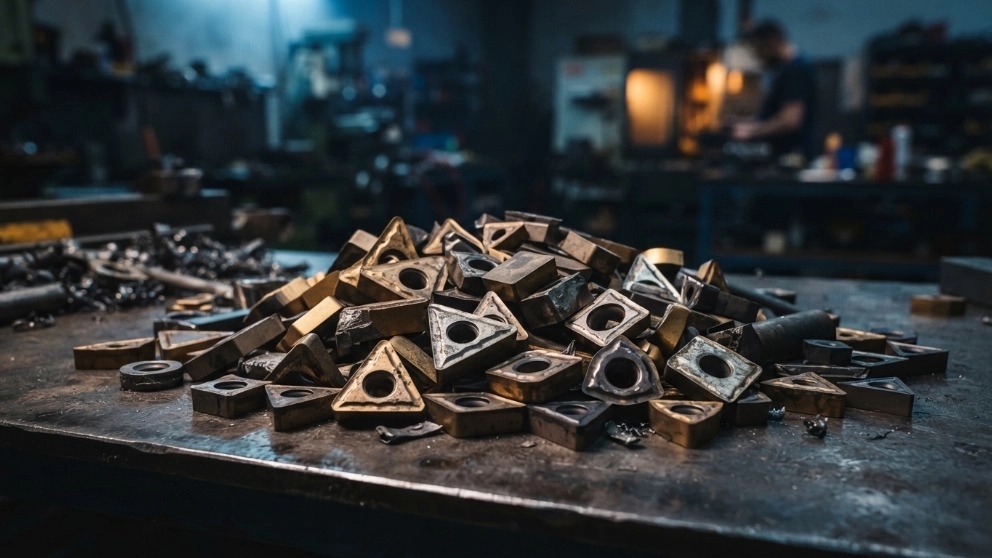
- Turning and Milling Diamonds (Inserts): These small pieces that are attached to the holders are the most used type of scrap. They have a very high purchase value due to their high percentage of tungsten carbide.
- Carbide drills and end mills: All carbide tools that have suffered breakage or severe wear and are no longer capable of resharpening.
- Tungsten carbide dies: Draw dies, mandrel and matrix dies, and industrial nozzles made of carbide and Because of their high weight, they create a significant rial value.
- Mining and Drilling Tools: Heavy duty drill bits used in the oil, gas and mining industries and containing hard carbide buttons.
Factors affecting the pricing of diamond waste
Purity percentage of tungsten
Fluctuations in the global metal market
How to prepare your carbide waste for sale?
- Separation of waste: Be sure to separate diamond and carbide drills from other metal waste such as iron, steel, brass or aluminum. The presence of iron impurities in the shipment can reduce its final price.
- Preliminary cleaning: As much as possible, remove oils, greases and severe industrial pollution from the parts to determine the exact weight of the carbide.
- Separation by tool type: Separation of used inserts from broken drills or mold parts, expertise and pricing of the shipment by company experts Hornam speeds up.
Benefits of cash sales of carbide to Hornam Company
Full cash and instant payment
Eliminating middlemen and buying directly
Accurate settlement and standard weighing
The role of tungsten carbide recycling in environmental protection
Conclusion and invitation to cooperate with Hornam