




Identifying replacement stock is not an easy task and requires high expertise and experience.
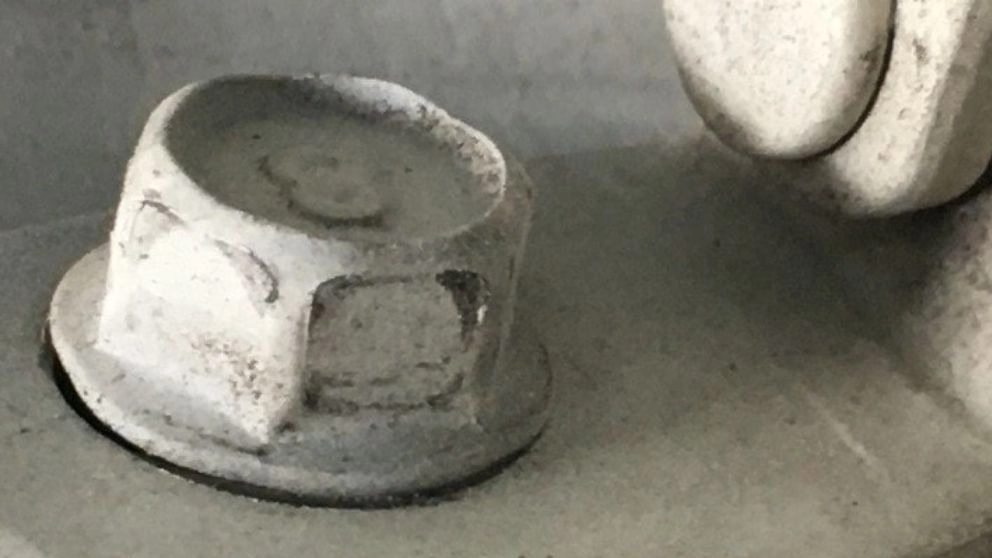
Among the things that should be paid attention to in the identification of replacement stock parts are things like slight difference in orange peel, color spectrum, slight difference in the wreath or shell in the color, slight difference in color thickness and signs of opening in connecting parts such as Screw or pin pointed out.
In the figure below, the damage of the car door screw due to opening is shown.
Another way to recognize stock parts is to pay attention to secondary works. For example, in a car, there are signs of damage in the tray or car chassis (check the car chassis) and the opening of the hood from the screws is evident, but there is no difference in the color of the hood or other parts. In this case, it is possible that the hood is a replacement stock.
Unfortunately, sometimes, due to the expert's weakness in recognizing the replacement of a part of the car body, the term replacement stock is used. How to recognize the replacement stock Does replacement stock include price drop? Maybe you also have a question, why the paint on the car body causes the price to drop? The main reason for this issue is the negative effects on the beauty of the car and the non-repairability of parts with non-fabric paint. Considering that the stock replacement parts are of high quality and do not have a negative effect on the beauty of the car, then the price drop can be ignored. Is it the responsibility of the expert to diagnose stock replacement?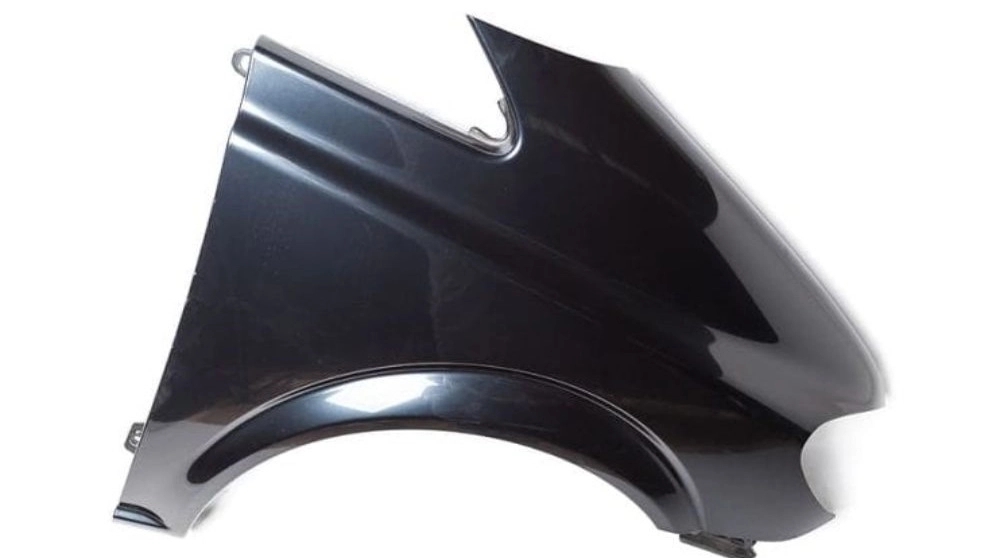
What are the characteristics of replacement stock parts?
In case of replacing one of the removable parts in the car body as a stock replacement, the replacement part should not have any difference with the color of the fabric and traces of restoration colors such as bubbles in the paint, garbage in the paint, holes in the paint, and stains in the paint should not be observed. In fact, the part of the replacement stock must have all the characteristics of the color of the fabric, and if such defects are observed, assuming maximum similarity in terms of spectrum, color and color grain, the replacement part is not a part of the replacement stock.