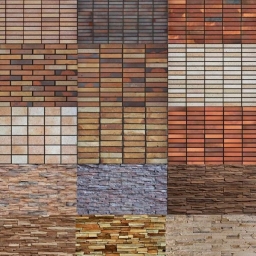

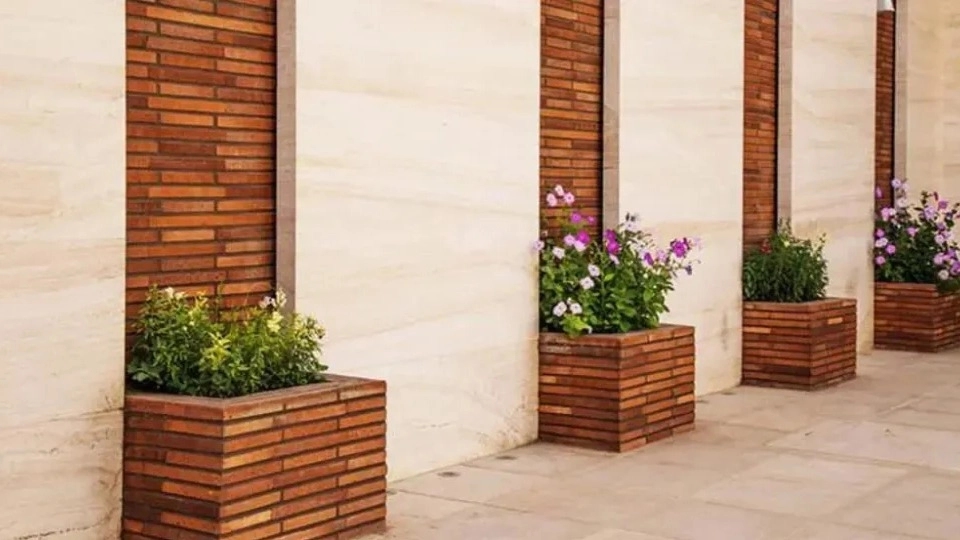
One of the types of bricks is facade brick, which is used to create a beautiful facade in buildings and houses. Today, with the advancement of the construction industry, bricks are used less in the framework of structures, but they are still used in the facade and body of the building. In addition to having the necessary standards, facing bricks must be resistant to heat, humidity and water penetration and not be damaged easily. Refractory brick facades have a high variety in color, size and design, and many creative designers use them randomly during the implementation of refractory brick facades. The design and color are displayed in each of the firebricks used. Firebricks have different advantages compared to other materials in the installation and execution stages due to their high resistance, proper water absorption, and high adhesion in contact with mortar. It is interesting to know that more artistry and precision are needed when building facades using refractory bricks, and this is the reason for the attractiveness and superiority of refractory brick facades.
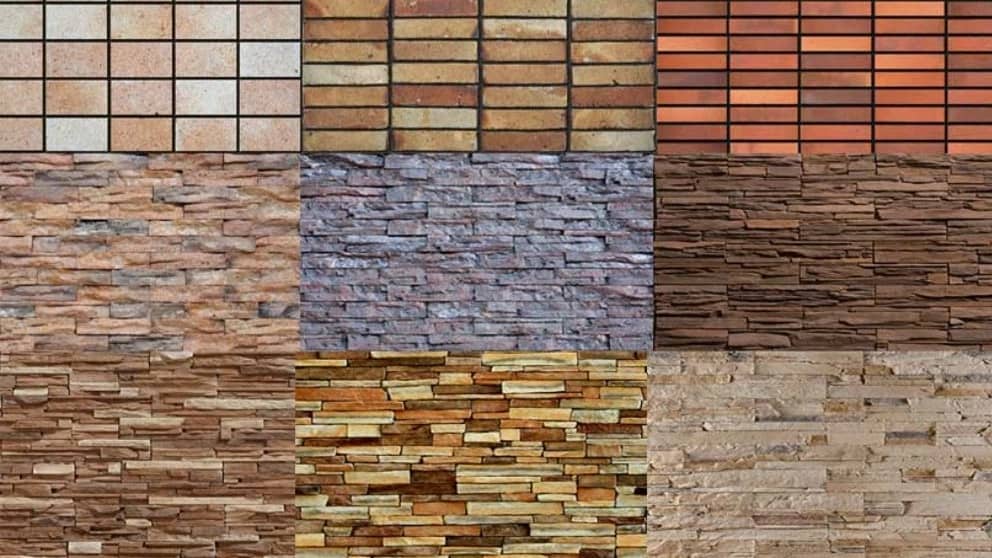
The advantages of using refractory bricks
Refractory brick facade has been noticed due to its advantages and has acquired a high sales and purchase market. High resistance to very high temperatures up to **** degrees Celsius is one of the desirable and important features of these facing bricks. This feature has led to the widespread use of this brick in industry and construction. If you have noticed that many bricks become white and dander due to contact with humid and damp air, this causes the facade of buildings to lose their beauty and attractiveness, while the use of refractory bricks solves this problem. It does not cause dandruff and is anti-dandruff and anti-whitewash. Compared to firebricks, refractory bricks are less thick and have more variety of colors, sizes and designs. Refractory brick has high resistance against environmental factors, physical impacts and chemical factors, and it also insulates the building against cold and heat.
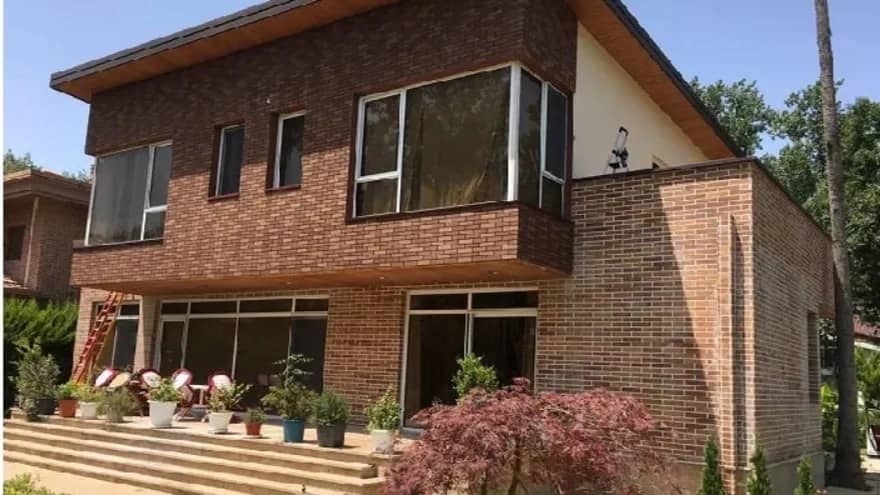
Refractory brick is resistant to wear and erosion and is very compatible with the environment. In areas like the north of Iran, where due to high humidity, the facade of buildings may get algae, firebrick is the best option, because it is resistant to the growth of algae and microorganisms and does not provide the conditions for their growth and reproduction. The refractory brick has a high color fastness and maintains its color due to various environmental factors such as sunlight, humidity and high or low temperature. Expensiveness of firebricks compared to other bricks, its more difficult installation and more skills for its installation are some of the practical limitations of firebricks. But due to its many advantages, these disadvantages are not visible. Using firebrick in the facade of the building
Ajernama Souz is traditionally produced and sold in different brick kilns in different cities of Iran such as Yazd and Isfahan. These bricks are produced in different designs for floors, stairs, walls, basins, and their designs can be modern bricks, three-inch bricks, Kazakh bricks or traditional and old building bricks. These bricks are available in different dimensions and in yellow, orange and red colors and are offered with high quality and modern price. It is suitable for residential and commercial buildings and is not suitable for furnaces. In addition to thermal resistance, compressive strength, stable quality, durability and flexibility against different climatic conditions, they are among the factors that have caused the use of firebrick in the facade of buildings. If you use firebricks with standard formulation, you can be sure that the facade of the building will remain attractive for several years and the same as the first day. Compliance with the standards of color stability and anti-dandruff of firebrick at the time of its production guarantees the necessary quality in the long term, and after several years of installation, discoloration or deformation, algae or dander will not be observed on its surface. Building facades is an identity and cultural issue.