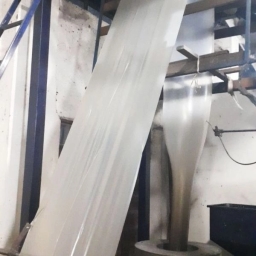

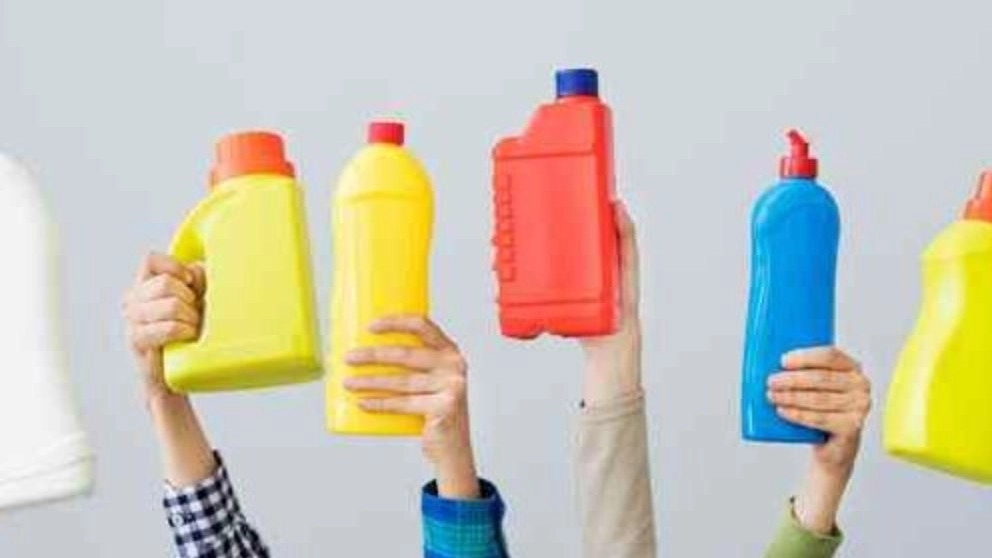
Mixed plastic packages (trays, straws, pots, etc.) can be mechanically recycled and turned into plastic granules such as polyethylene and PP granules; Doing this is effective both economically and environmentally. The infrastructure for the collection, separation and recycling of plastic and the production of polyethylene granules and other commonly used plastic granules has increased in recent years in our country.
Types of plastic waste and polymer artifacts including
1. Bag of plastic material 2. Polyethylene polypropylene 3. Poly Omid Polystyrene 4. Polyurnan Polysteel 5. Polycarbonate 6. Hash, air and injection 7. P. P. crystal Hempak 8. ABS Hostafum 9. Pat Degallon
How does plastic waste be recycled and converted to plastic granules?
1. In the first step, they are sorted based on the type of plastic waste (polymer waste, nylon, etc.). Then, the plastic waste is crushed and converted into smaller pieces by the grinding machine. In the next recycling process, the plastic waste is crushed, washed and ready to be transported. It is made into a granule machine.
In the next step, the plastic is poured into the granule machine which has an extruder, the plastic melts and comes out of the machine in the form of small strands. Produces polypropylene and other types of plastic granules.
Burning plastic causes the production and emission of a large amount of greenhouse gas, and by recycling the waste instead of burning it, it is possible to prevent further damage to the environment. By recycling plastic waste and turning it into granules - polyethylene granules, etc. It prevented the production of carbon dioxide and other greenhouse gases and reduced the rate of greenhouse gas emissions.