Importance of wheat bran and barley in livestock diet
The challenges of buying low-quality and fake bran
Characteristics of wheat and barley bran with guaranteed quality
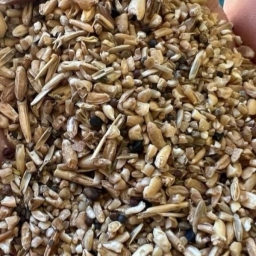
- Natural color and appearance: High-quality wheat bran usually has a light brown to golden color, and oat bran has a light and uniform color. Any unusual darkness indicates old age or mold.
- Standard moisture level: Bran should be completely dry. The presence of high humidity not only falsely increases the weight of the product, but also creates a suitable substrate for the growth of fungi and dangerous toxins such as aflatoxin.
- No dust and foreign substances: When touching the bran, you should not feel that there are many particles of soil, sand or dust in it. Quality bran must be completely pure and free of any live or dead insects.
- Pleasant smell: Fresh bran gives the natural smell of grain. Any sour, moldy or unpleasant smell indicates product failure.
Why buying from Taher livestock inputs is an advantage?
Methods of optimizing the consumption of bran in animal diet
The role of Aliabad Katul in the production and supply of livestock inputs
How to store high-quality wheat and barley bran?
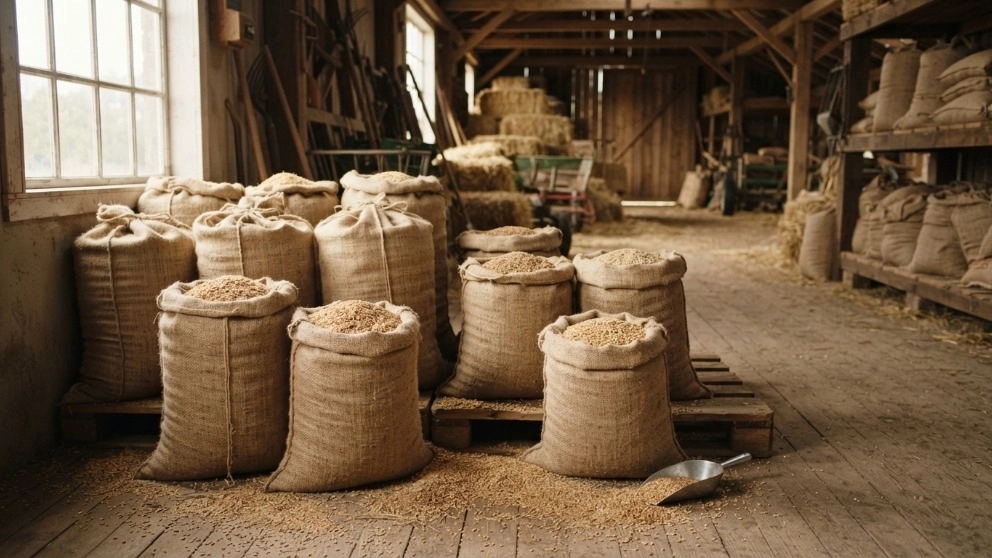
- Humidity and temperature control: Bran storage warehouse should be completely dry, cool and well ventilated. High humidity is the main enemy of bran and quickly causes mold.
- Pallet usage: Never place bran bags directly on cement or dirt floor. Using wooden or plastic pallets and creating a distance from the walls prevents moisture from entering the bags.
- Fight against pests and rodents: The warehouse must be regularly sprayed and disinfected to prevent the entry of mice and vermin that, in addition to consuming the load, cause disease transmission to the items.
Conclusion and order registration of livestock inputs