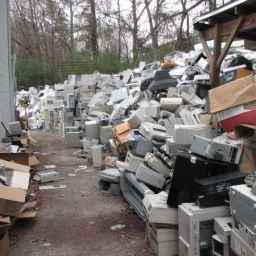

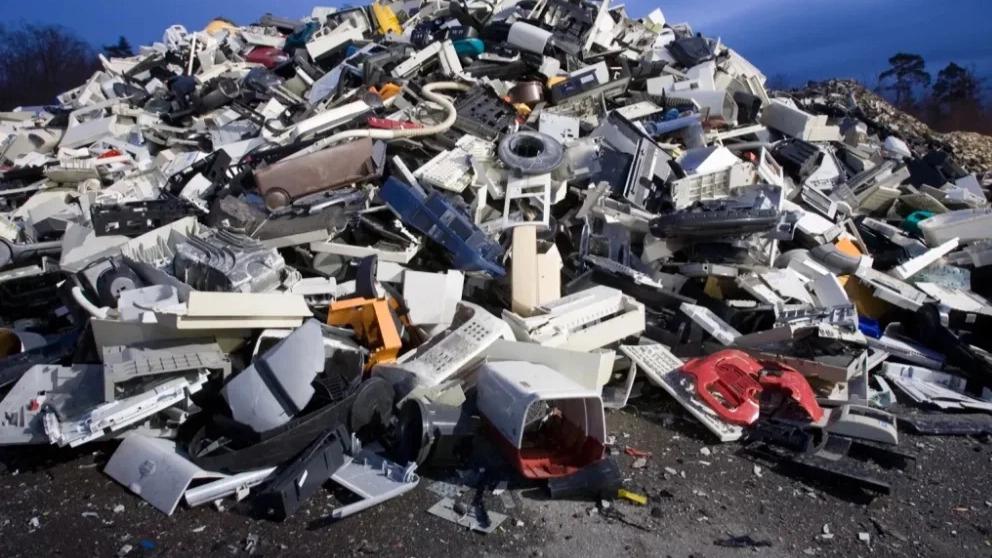
risks of electronic waste and its effects on the environment and humans
E-waste has a negative effect on the soil
E-waste can have destructive effects on the soil of an area. When e-waste breaks down, toxic heavy metals are released. These heavy metals include lead, arsenic and cadmium. When these toxins seep into the soil, they also affect plants and trees.
Thus, these toxins can enter a person's food, which can lead to birth defects as well as a number of other complications. Be healthy.
E-waste negatively affects water
E-waste that is improperly disposed of by people leads to toxins entering the groundwater.
This groundwater forms the basis of many surface streams, lakes and ponds. Many animals rely on these water channels for food. Therefore, these toxins can make these animals sick and cause an imbalance in the ecosystem.
E-waste can also affect the people who rely on this water. Toxins such as lead, barium, mercury, and lithium are also considered carcinogens.
E-waste negatively affects the air
When e-waste is incinerated, the process can release hydrocarbons into the atmosphere that cause air pollution. As a result, it has negative effects on many animals and humans. In addition, these hydrocarbons can contribute to the greenhouse gas effect. According to many scientists, it is one of the main factors of global warming.